我真的什么都不知道啊
“I really don't know anything!”
THE DIALOGUE REEL
真的什么都不知道
“I really don't know anything.”
我 真的 什么都不知道 啊
“I really don't know anything!”
我真的什么都不知道
“I really don't know anything.”
“Stop asking me, I really can't help you and I want out of this situation!”
Repeating emphatic phrases like '我真的...' in stressful Chinese dialogues indicates heightened emotional pressure to prove one's innocence immediately.
LEARNING CHUNKS & PARTICLES
to know nothing at all
A common structure (什么 + 都/也 + negative verb) used to express complete negation.
Adds emotional intensity and pleading urgency to the denial.
VOCABULARY & EXPRESSIONS
Parallel Spoken Cinema Scenes (语义近邻切片)

“I really don't know anything.”

“You don't know anything, yet you're blaming me.”

“I don't know why. I really don't know why.”

“How could I not know anything?”

“I really don't know.”

“I don't know anything. Yu Qingtian.”

“Just pretend you know nothing.”

“I don't know what you guys are up to,”

“We know nothing. How can we find her?”

“you really don't know anything?”

“We don't know! We really don't know!”

“We don't even know what language it is. How can we translate it?”

“What do you want? I don't even know anything.”

“And I had no idea.”

“I knew nothing. I was unprepared,”
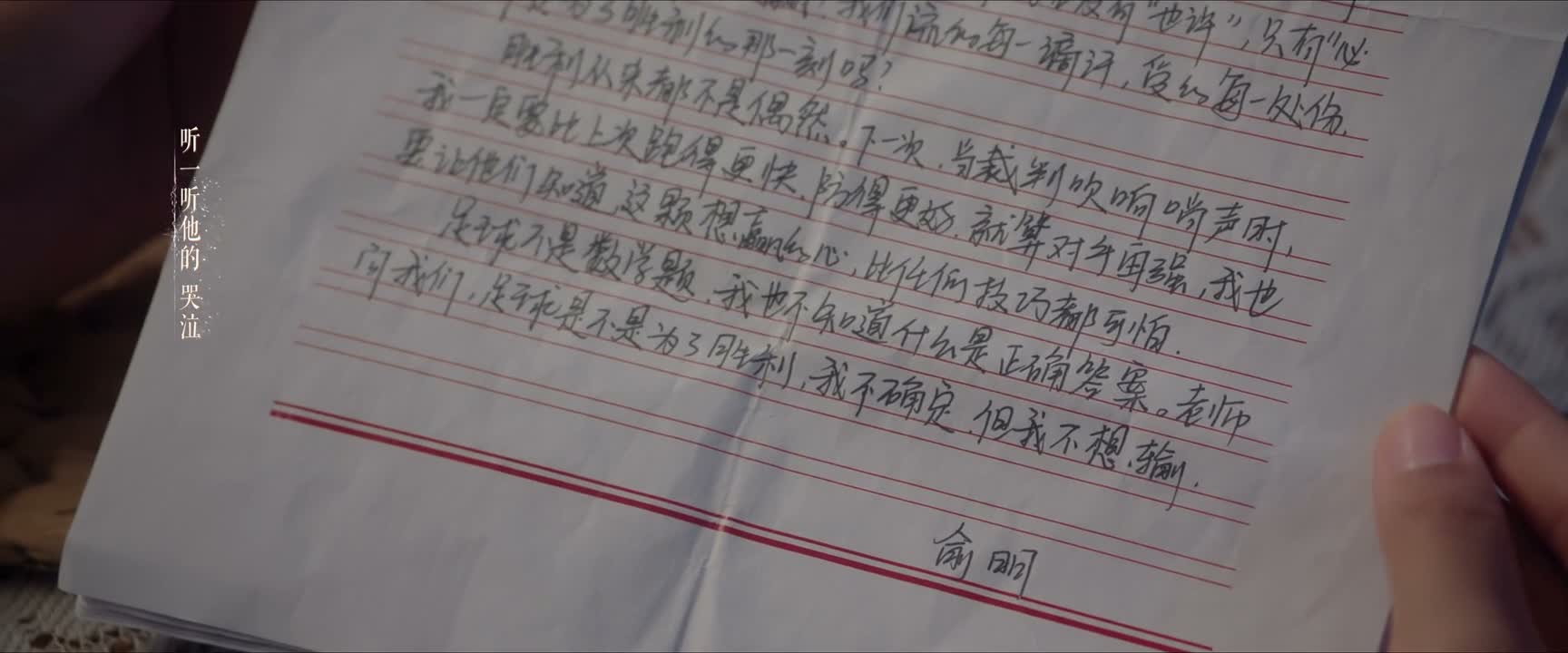
“♪ Listen closely to its cries ♪ [I'll make sure I run faster than I did last time.] so I don't know if there's a right answer. No matter what,”

“I know nothing at all.”

“I don't even know what I really want.”

“I don't know anything. I'll get back to work now.”

“I know nothing. That person knocked me out.”

“I really don't know anything else.”

“You don't know what I asked you.”

“How could I not know at all?”
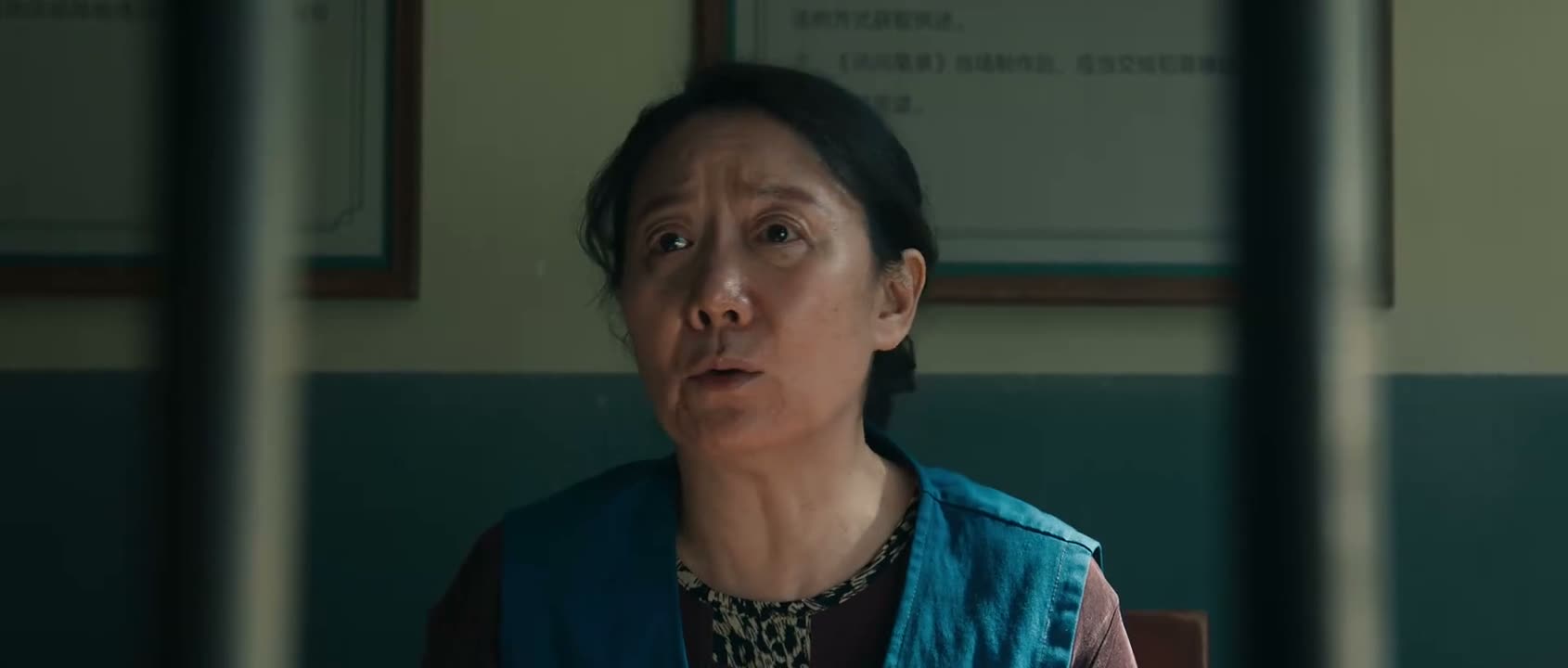
“I really don't know that.”

“I don't know anything! Let's see…”

“Honestly, neither did I.”

“I know nothing, Aunt.”

“There's no way you know nothing.”

“I don't know anything.”

“You have no idea. I'm tanned like a piece of coal now.”

“I really don't know how else I can help you.”

“How did I not notice at all?”

“He had no idea.”

“How could I know nothing about it?”