我不知道为什么 我都不知道为什么
“I don't know why. I really don't know why.”
THE DIALOGUE REEL
“I put a roof over your head, and you despise me?”
我不知道 为什么 我都不知道 为什么
“I don't know why. I really don't know why.”
“Please stop blaming me, I feel completely lost and I don't know what to say.”
A typical oppressive phrase in traditional Chinese patriarchal parenting from the previous line. Elders often cite material upbringing to demand absolute obedience and gratitude, which frequently causes severe psychological trauma and emotional breakdown in younger generations under such intense pressure.
LEARNING CHUNKS & PARTICLES
not knowing why; having no idea of the reason
An extremely common colloquial pattern used to express confusion, proclaim innocence, or deflect blame when facing accusation.
emphasizes that even oneself is in a certain state ('even I...')
The adverb 'dou' here indicates an intensified degree or unexpectedness, emphasizing one's complete lack of knowledge or helplessness.
VOCABULARY & EXPRESSIONS
Parallel Spoken Cinema Scenes (语义近邻切片)

“I don't know why, every time I think about him, I feel happy”

“I don't know what happened to me. I just went crazy.”

“I don't know what to do. You don't know? How am I supposed to know?”

“I really don't know what the hell she was worried about.”

“What do you want? I don't even know anything.”
“I don't know why every time I show goodwill,”

“I know nothing at all.”
“I really don't know anything.”

“Do you know why I wanted to marry Shen Xing off to you?”
“I... I don't know.”
“I really don't know that.”

“I don't know anything! Let's see…”

“I don't know. I don't know what you mean.”

“I don't know. I truly don't know.”

“Honestly, neither did I.”

“I... I don't know.”
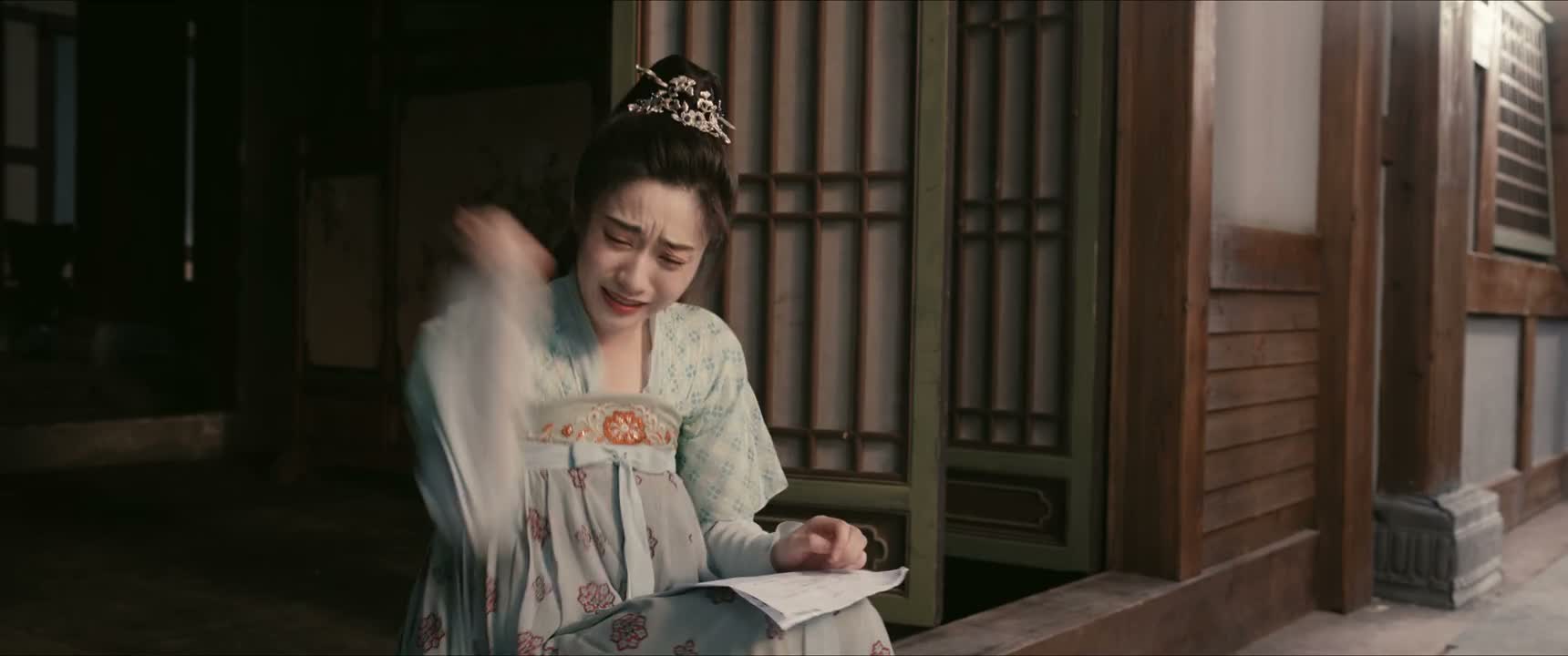
“I really don't know anything!”
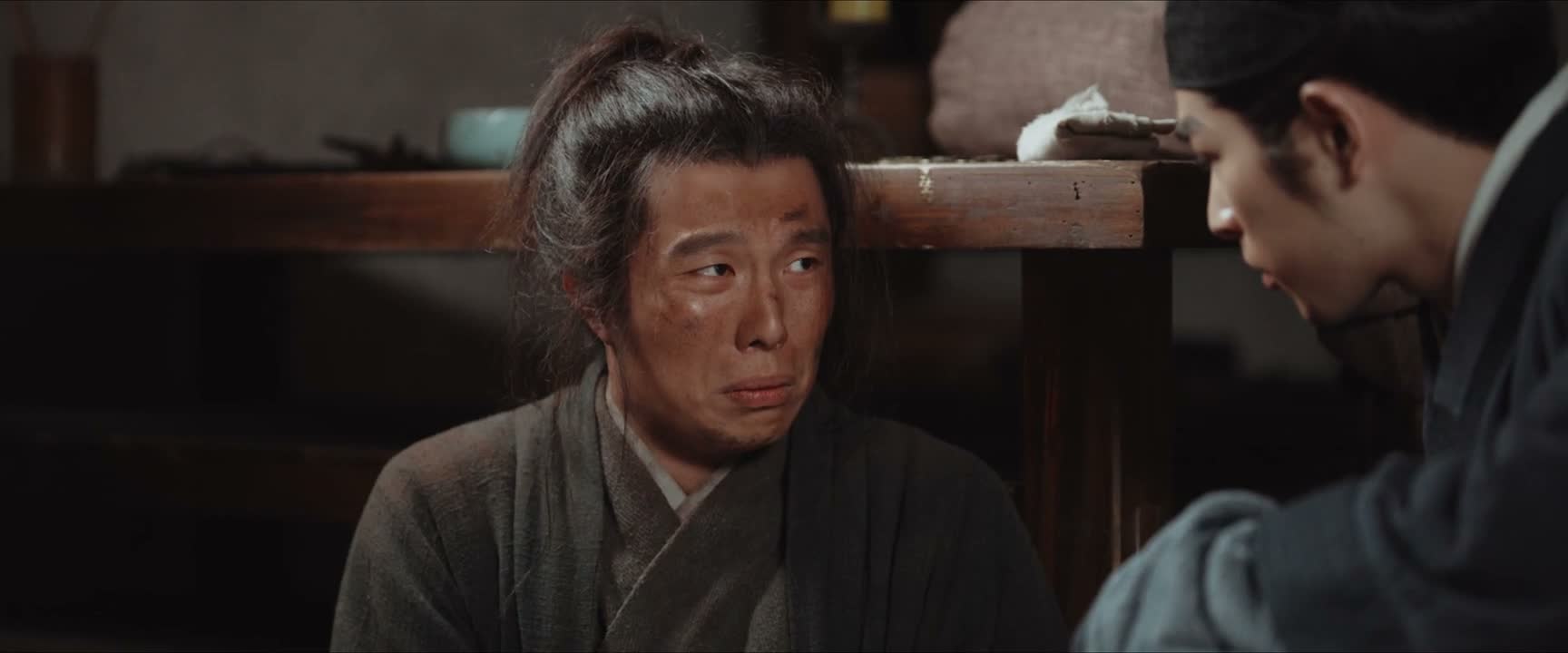
“I don't know anything.”

“I don't know why I was so unlucky.”
“I just don't understand.”

“why I was uncomfortable. If I knew the reason,”