我也不知道我怎么了 就跟疯了一样
“I don't know what happened to me. I just went crazy.”
THE DIALOGUE REEL
你们俩把它买走了 我当时看你把它买走之后
“that you two bought it yesterday. When I saw you bought it,”
我也不知道 我怎么了 就 跟疯了一样
“I don't know what happened to me. I just went crazy.”
“I only knew this ring had to stay with me.”
“I know I acted completely out of control, but seeing you take it broke my sanity.”
Admitting temporary 'insanity' (跟疯了一样) is a conversational tactic to deflect malice while acknowledging harmful or erratic behavior.
LEARNING CHUNKS & PARTICLES
I don't even know what came over me
A common spoken phrase used to express self-bewilderment or explain away emotional overreactions.
as if going crazy / like mad
Used idiomatically to describe acting without rational thought or losing one's temper entirely.
Marks a change of state, indicating entering an altered emotional condition.
VOCABULARY & EXPRESSIONS
Parallel Spoken Cinema Scenes (语义近邻切片)

“I don't know why. I really don't know why.”

“I don't know why we have to end like this today.”

“I don't either. But I need to figure it out.”

“Of course I don't! What should we do now?”
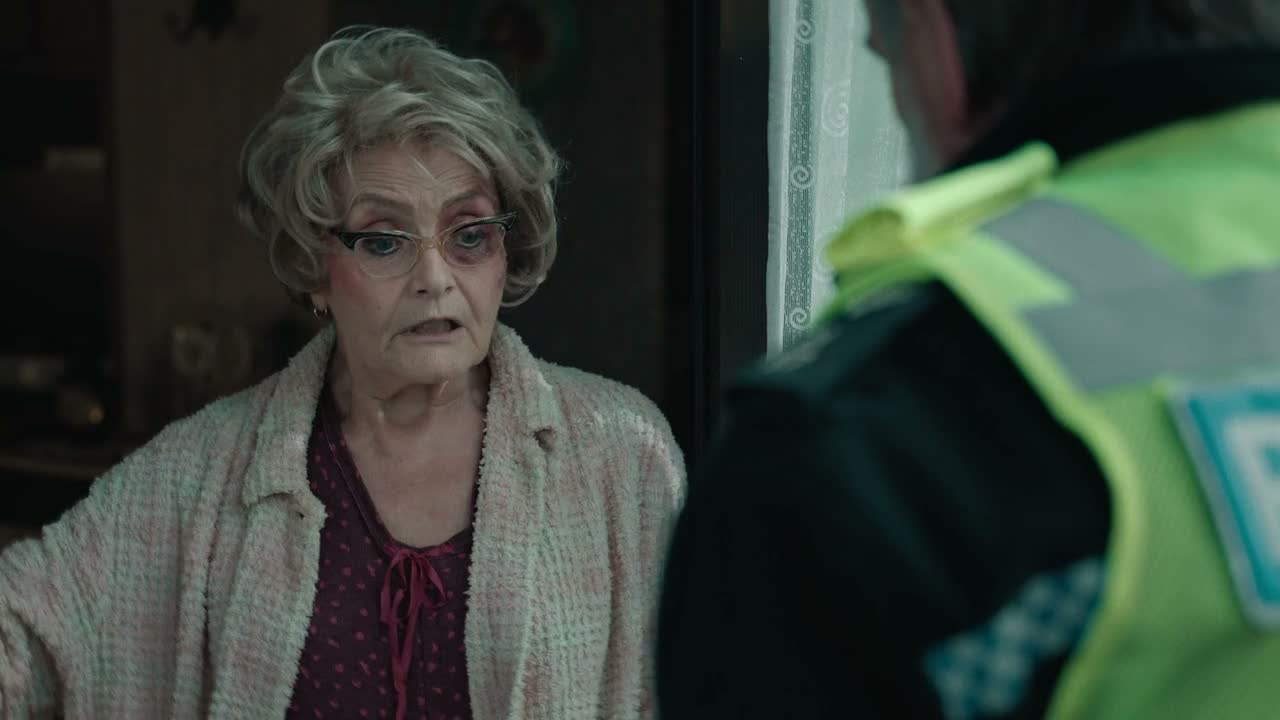
“Well, I don't know how that could be, John,”
“I don't know why. But my mind is just a mess today.”

“I really don't know that.”

“Actually, I don't know what's wrong with me.”

“I really don't know what to do.”

“I don't know what to do anymore.”

“- No idea. - What's going on? She seems crazy.”

“(Running and running, we somehow ended up back) (where we started.)”

“I didn't know you still thought like that.”