我当然不知道了 这怎么办啊
“Of course I don't! What should we do now?”
THE DIALOGUE REEL
“Do you know about a certain kind of bat saliva?”
我 当然不知道 了 这 怎么办啊
“Of course I don't! What should we do now?”
它可以让伤口一直不愈合
“It keeps wounds from healing.”
Direct spoken expression in this communicative setting.
Directly exclaiming helplessness with modal particles signals genuine panic and cedes control to whoever possesses technical expertise.
LEARNING CHUNKS & PARTICLES
obviously do not know / of course I do not know
Used defensively when asked about obscure or specialized knowledge during a high-stakes moment.
what should we do about this
The standard spoken cry for help or panic phrase when encountering an unforeseen problem.
Emphasizes the realization and completion of the speaker's state of ignorance.
Heightens the sense of urgency, agitation, and helplessness in the rhetorical question.
VOCABULARY & EXPRESSIONS
Parallel Spoken Cinema Scenes (语义近邻切片)

“I really don't know.”

“I have no idea what happened.”

“What do you mean you don't know? Just move out immediately and divorce him.”

“I don't know what I'd have done.”

“You don't know what to do.”

“I wouldn't know.”

“You guys seriously don't know? What happened?”

“it's best if the other person doesn't know.”

“But I don't know what to do,”

“I really wouldn't know what to do.”

“I wouldn't have known if I hadn't come. I didn't expect it to be this difficult.”

“I really don't know how to deal with him anymore.”

“and I don't know which one is the right choice.”
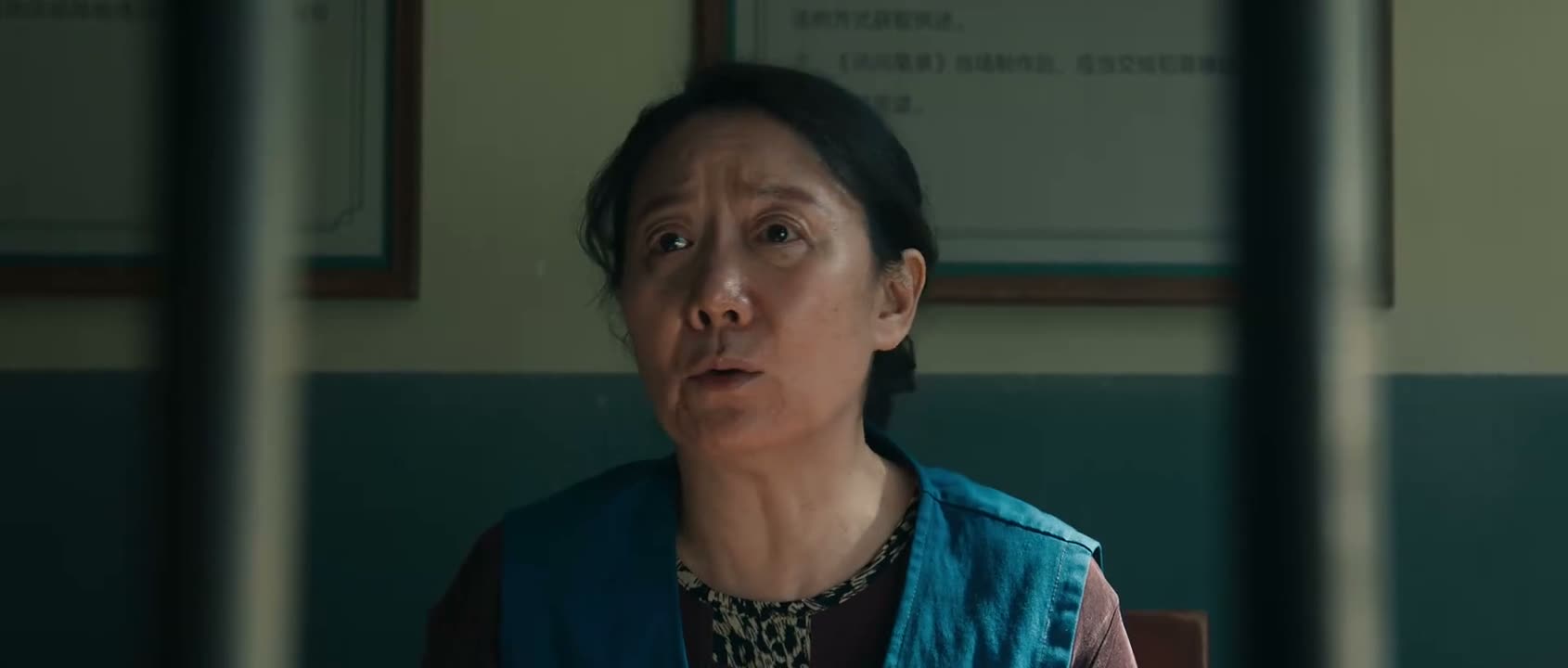
“I really don't know that.”
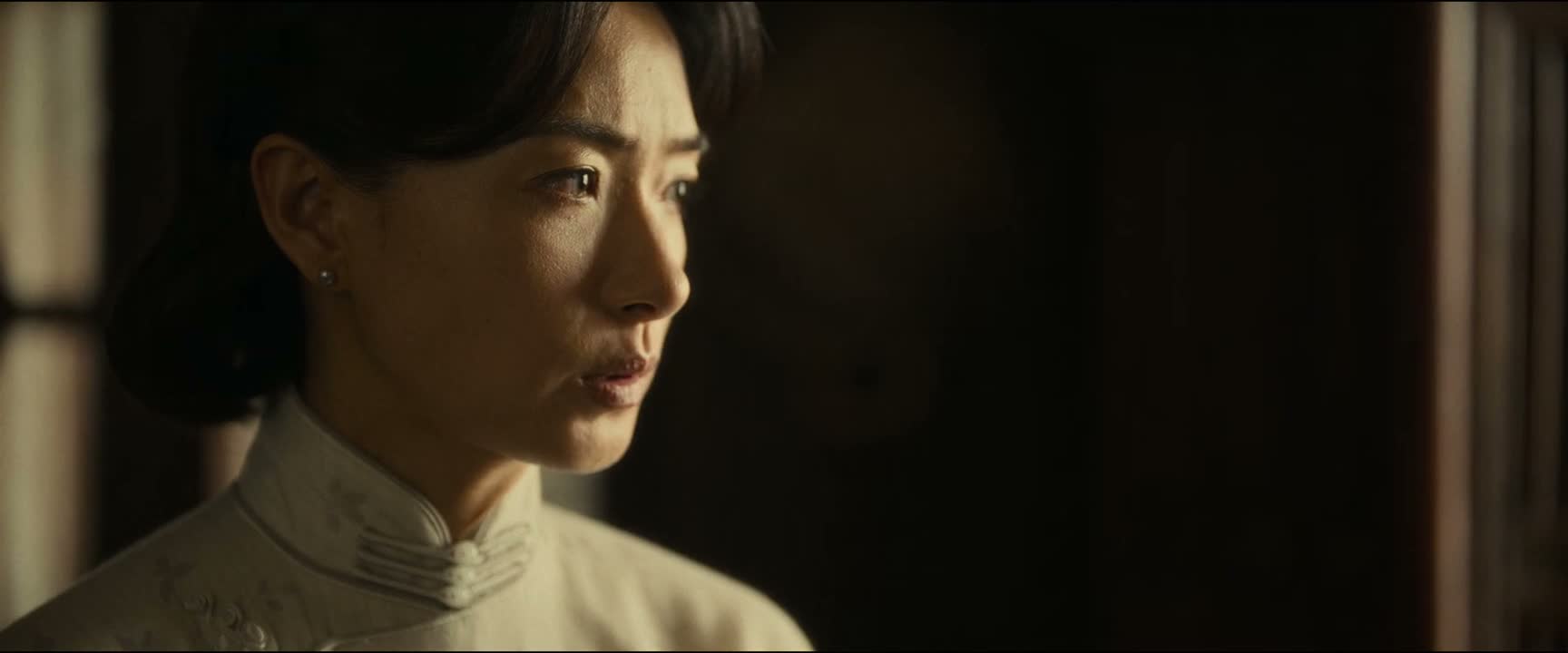
“I really don't know whether this is a good thing or a bad thing.”

“I really don't know what to do.”

“I wouldn't have known what to do.”

“You don't know what to do now.”

“I don't know what to do anymore.”
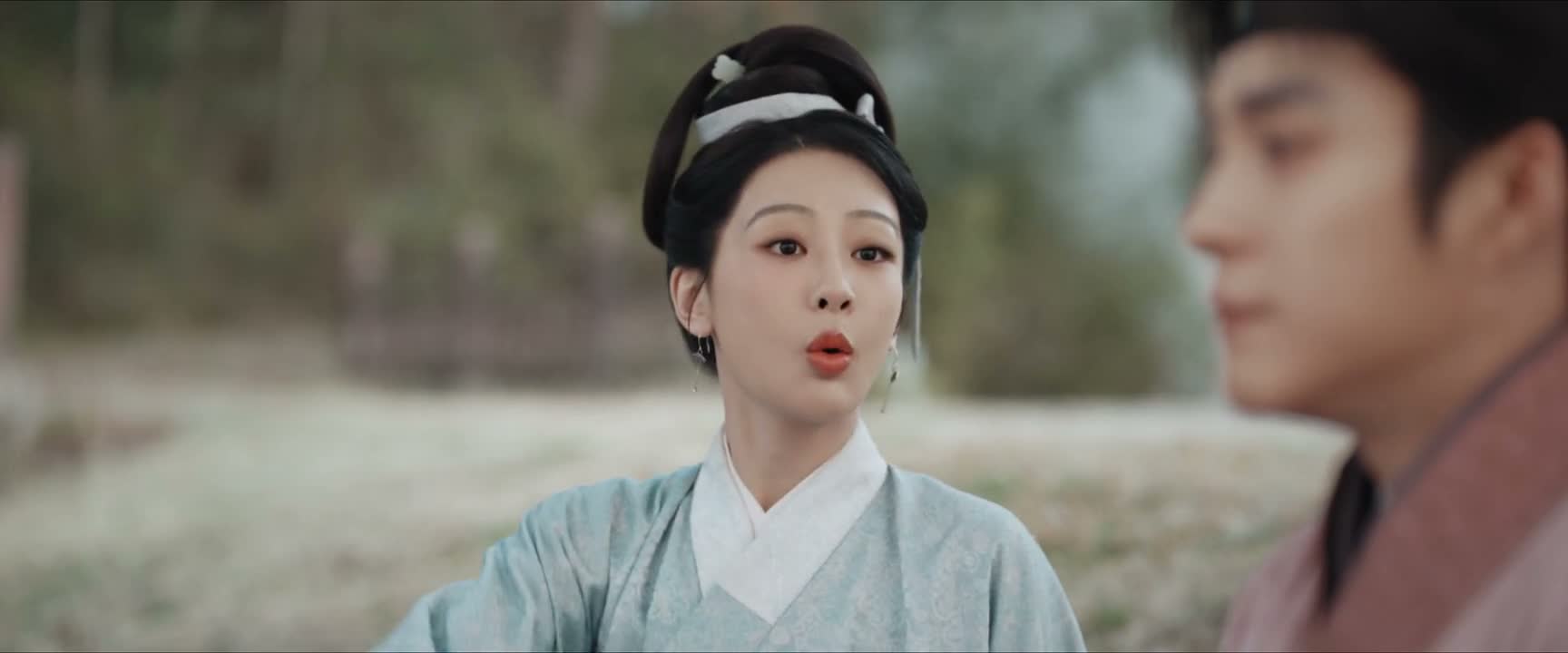
“How can I pretend not to know?”

“Honestly, I don't know what to do yet.”

“I don't know what you've been up to lately! So what can I do?”
“Otherwise, I'd have no idea what to do.”

“I don't know what to do. You don't know? How am I supposed to know?”

“I don't know either.”