我真不知道该怎么办了
“I really wouldn't know what to do.”
THE DIALOGUE REEL
要是没有你
“Without you,”
我真不知道 该怎么办 了
“I really wouldn't know what to do.”
小宇
“Zhiyu,”
“You are my rock; I am completely lost without you.”
Rather than saying 'I love you' or 'I need you' outright, Chinese speakers frequently express deep devotion by emphasizing how helpless they would be without their partner.
LEARNING CHUNKS & PARTICLES
truly do not know
An emphatic spoken phrase used to convey genuine bewilderment or deep emotional vulnerability.
what should be done
The standard conversational phrase for expressing helplessness or seeking solutions to a dilemma.
Functions as a change-of-state marker, reinforcing the current state of utter helplessness.
VOCABULARY & EXPRESSIONS
Parallel Spoken Cinema Scenes (语义近邻切片)

“what I should do.”

“Of course I don't! What should we do now?”

“I don't know what I'd have done.”

“You don't know what to do.”

“I don't know what to do with them.”

“But I don't know what to do,”
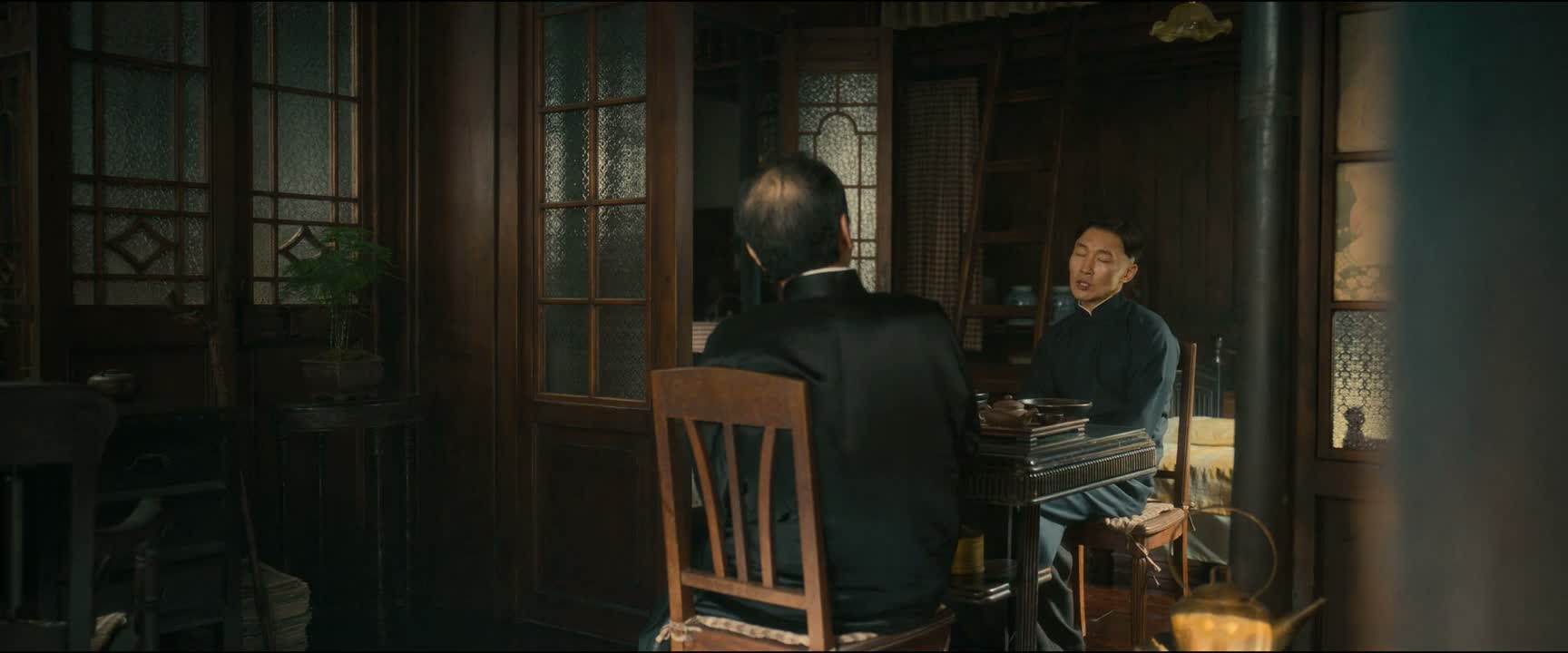
“I really don't know what to do. Since you are here,”

“I am at a loss.”

“I really don't know how to deal with him anymore.”

“and I don't know which one is the right choice.”
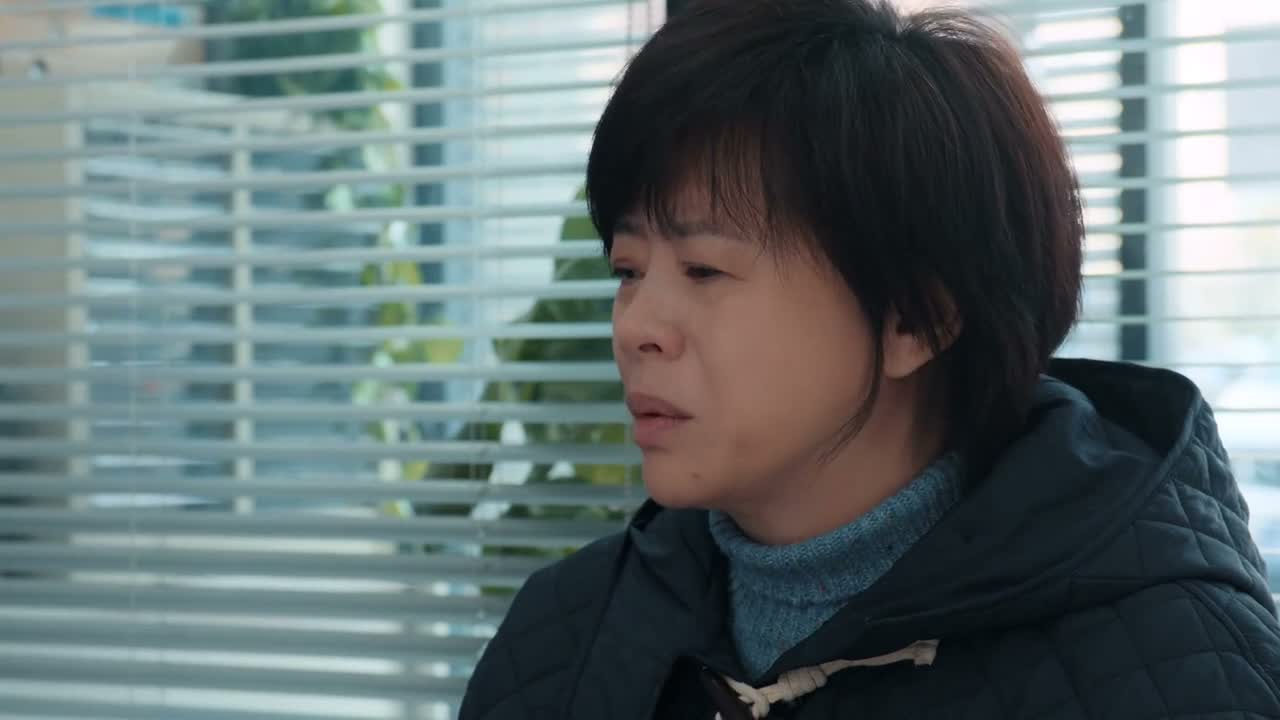
“I really don't know what to do.”

“I really don't know what to do.”

“I wouldn't have known what to do.”

“I don't know what to do anymore.”

“I don't know what to do now.”

“I truly don't know what to do now.”

“I didn't know what to do.”
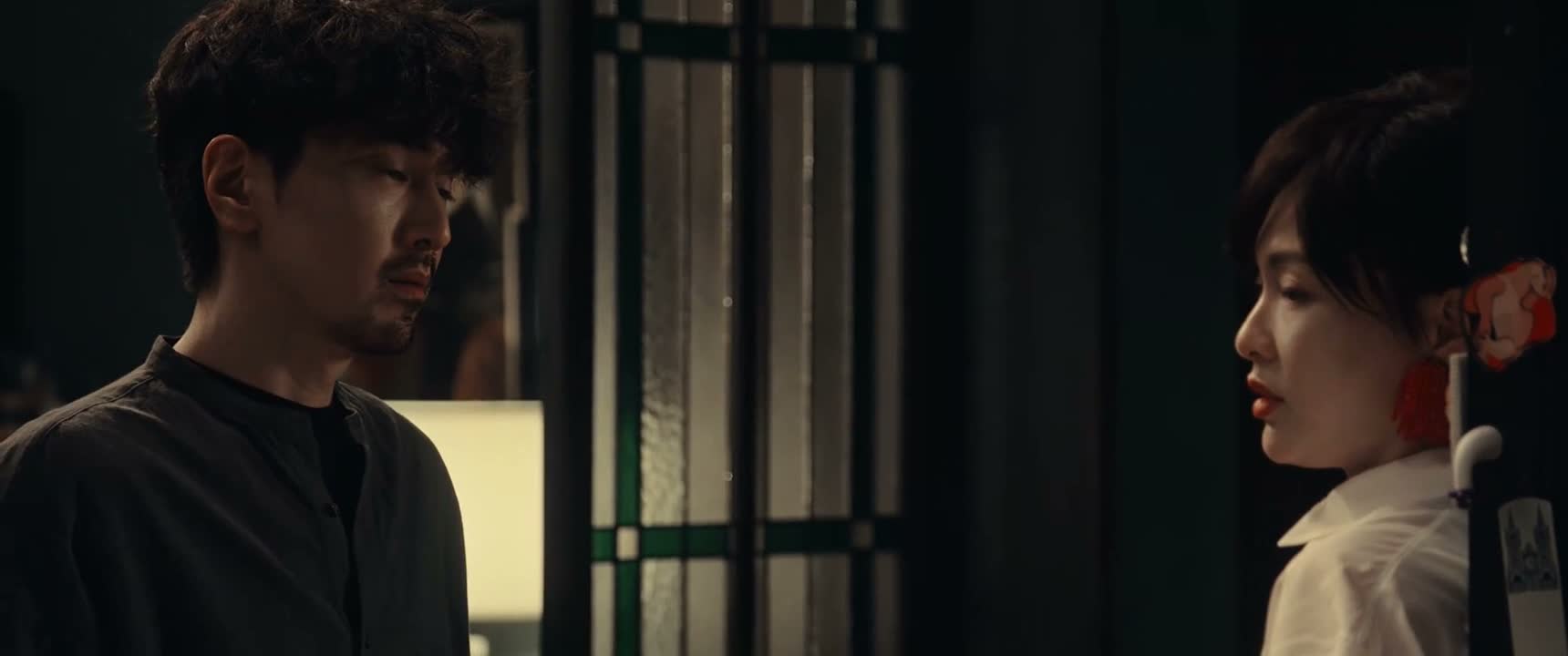
“Honestly, I don't know what to do yet.”
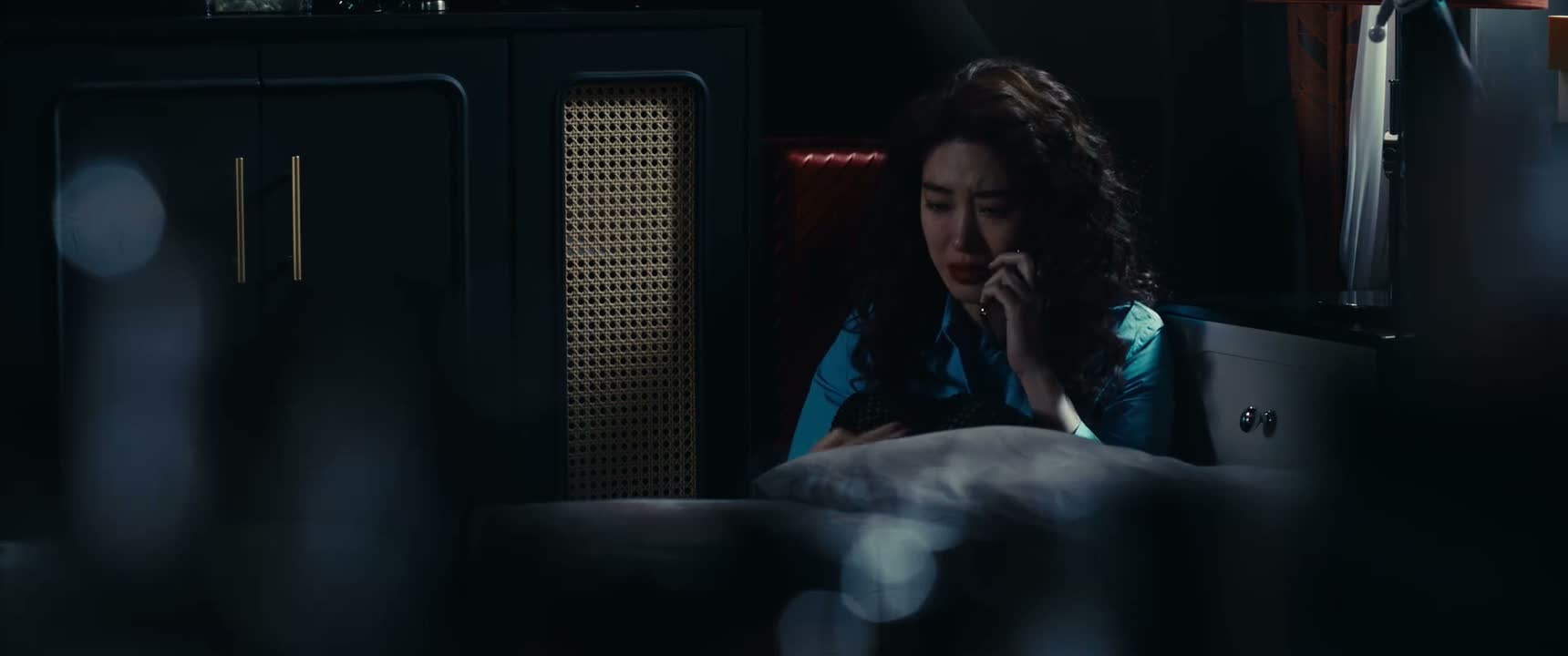
“I didn't know what else to do.”
“Otherwise, I'd have no idea what to do.”

“I really don't know what happened.”