我是真的不知道该怎么办了
“I truly don't know what to do now.”
THE DIALOGUE REEL
费霓
“Fei Ni,”
我是 真的不知道 该怎么办 了
“I truly don't know what to do now.”
别哭
“Don't cry.”
“I have hit rock bottom and cannot handle this pressure alone; please rescue me.”
Expressing utter helplessness ('not knowing what to do') in Chinese personal relationships serves as an explicit cue for the partner to step up and offer active comfort and resolution.
LEARNING CHUNKS & PARTICLES
really / genuinely
Used before a predicate to emphasize sincerity or the gravity of an emotional state.
at a loss / do not know what to do
Essential fixed formula for expressing being overwhelmed and lacking solutions.
Indicates a new state of reaching total exhaustion or helplessness.
VOCABULARY & EXPRESSIONS
Parallel Spoken Cinema Scenes (语义近邻切片)

“I don't know what to do with them.”

“I don't know what I'd have done.”

“You don't know what to do.”

“But I don't know what to do,”
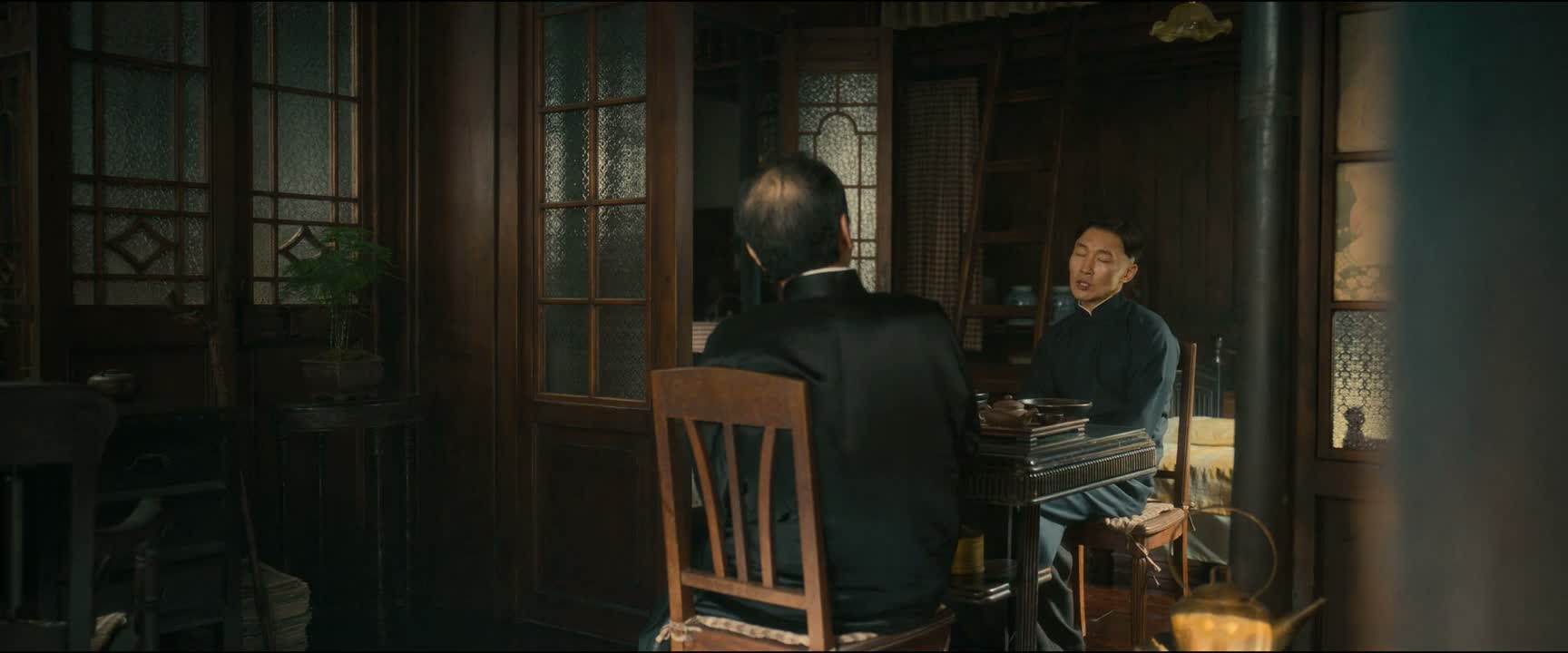
“I really don't know what to do. Since you are here,”

“I am at a loss.”

“I really wouldn't know what to do.”

“I really don't know how to deal with him anymore.”
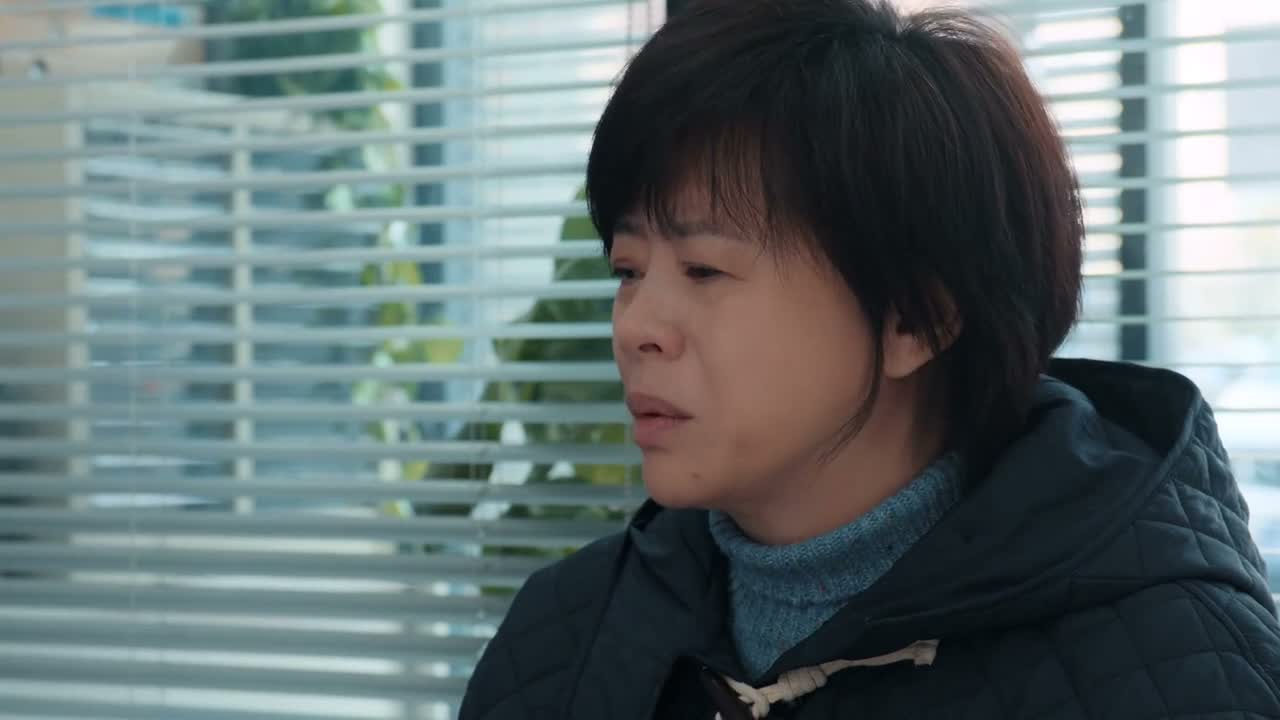
“I really don't know what to do.”
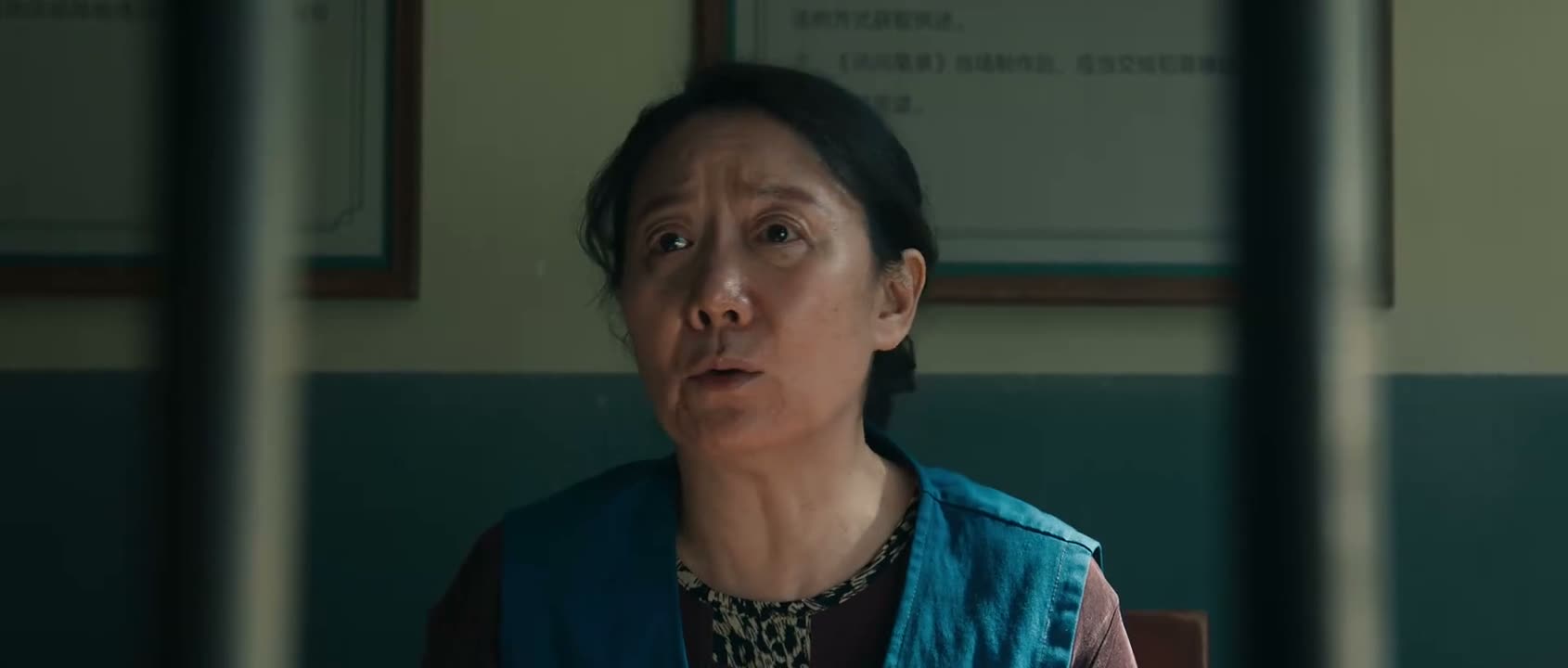
“I really don't know that.”

“I really don't know what to do.”

“I wouldn't have known what to do.”

“I don't know what to do anymore.”

“I don't know what to do now.”

“I didn't know what to do.”

“Honestly, I don't know what to do yet.”
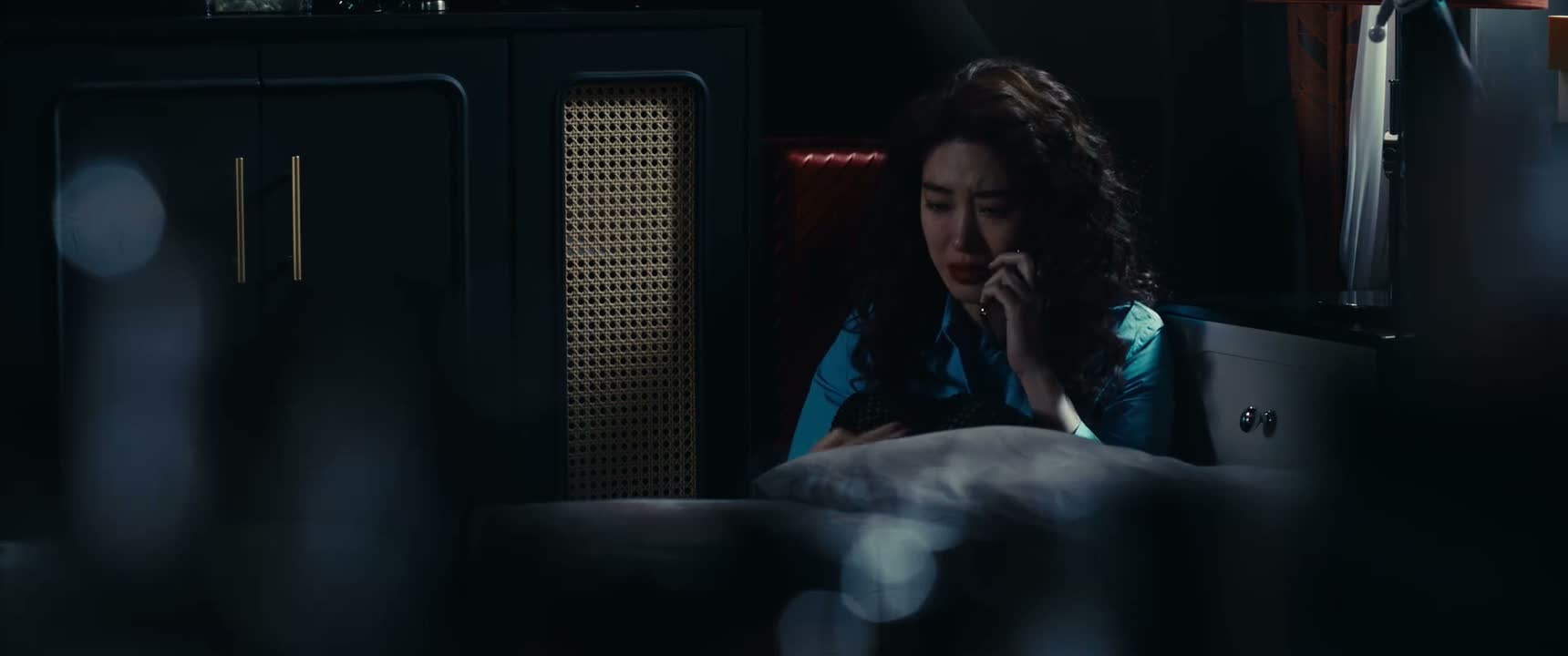
“I didn't know what else to do.”
“Otherwise, I'd have no idea what to do.”

“I really don't know what happened.”