我是真的不知道 该怎么办了
“I am at a loss.”
THE DIALOGUE REEL
也不睡觉
“Staring out.”
我是 真的不知道 该怎么办 了
“I am at a loss.”
可是老爷来过了 前头才走
“Did my lord come? Just left.”
“I am completely out of ideas and feeling utterly powerless.”
In traditional hierarchical households, dependent members often lack autonomy when the head of the house ('laoye') holds absolute authority, leading to acute paralysis when facing crises.
LEARNING CHUNKS & PARTICLES
truly; genuinely
Used to reassure the listener that the stated sentiment or difficulty is authentic and not an exaggeration.
what ought to be done; what to do
A fundamental conversational formula expressing dilemma and seeking a viable course of action.
Marks an emotional transition into a state of total helplessness.
VOCABULARY & EXPRESSIONS
Parallel Spoken Cinema Scenes (语义近邻切片)

“I don't know what to do with them.”

“I really didn't know how to say it.”

“I really didn't know how to tell you.”

“I really don't know what the hell she was worried about.”

“I don't know what I'd have done.”

“But I genuinely didn't know it was meant to frame me.”
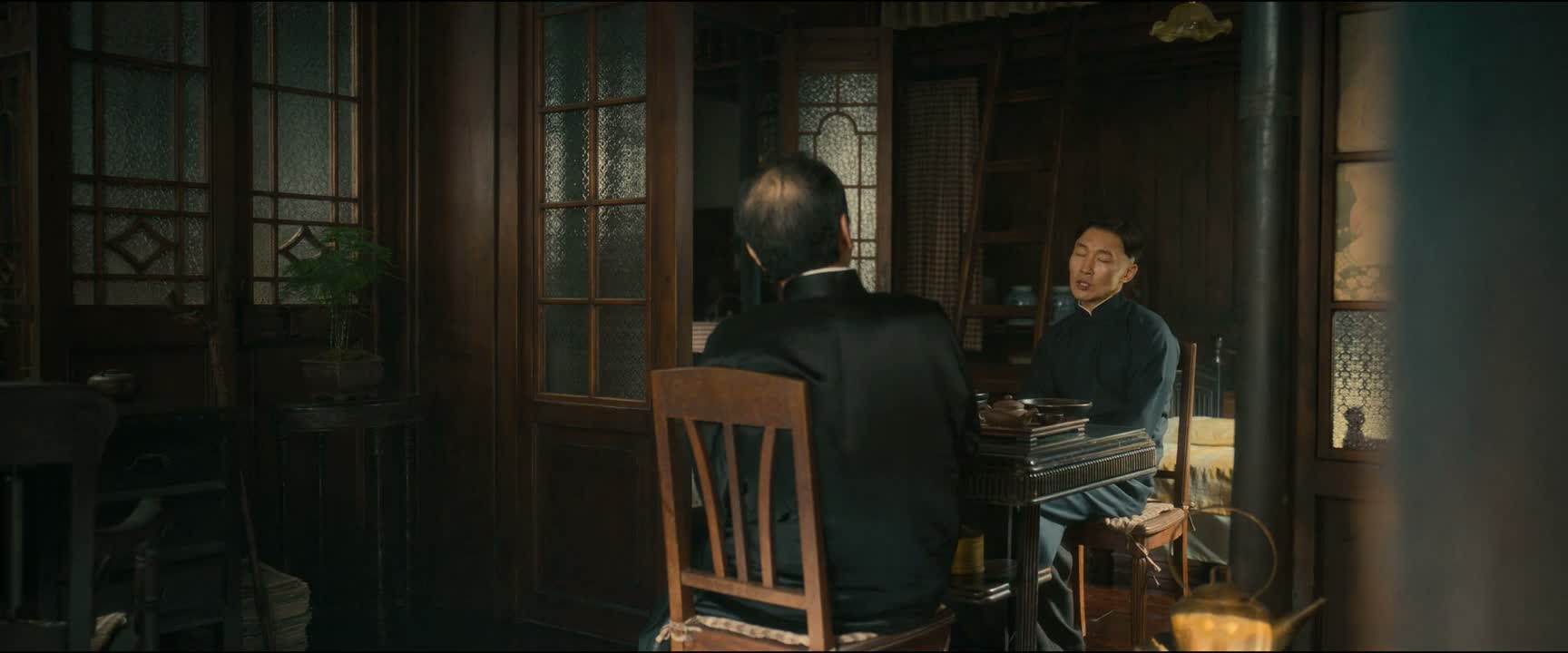
“I really don't know what to do. Since you are here,”

“I really wouldn't know what to do.”

“I really don't know that.”

“I really don't know what to say.”
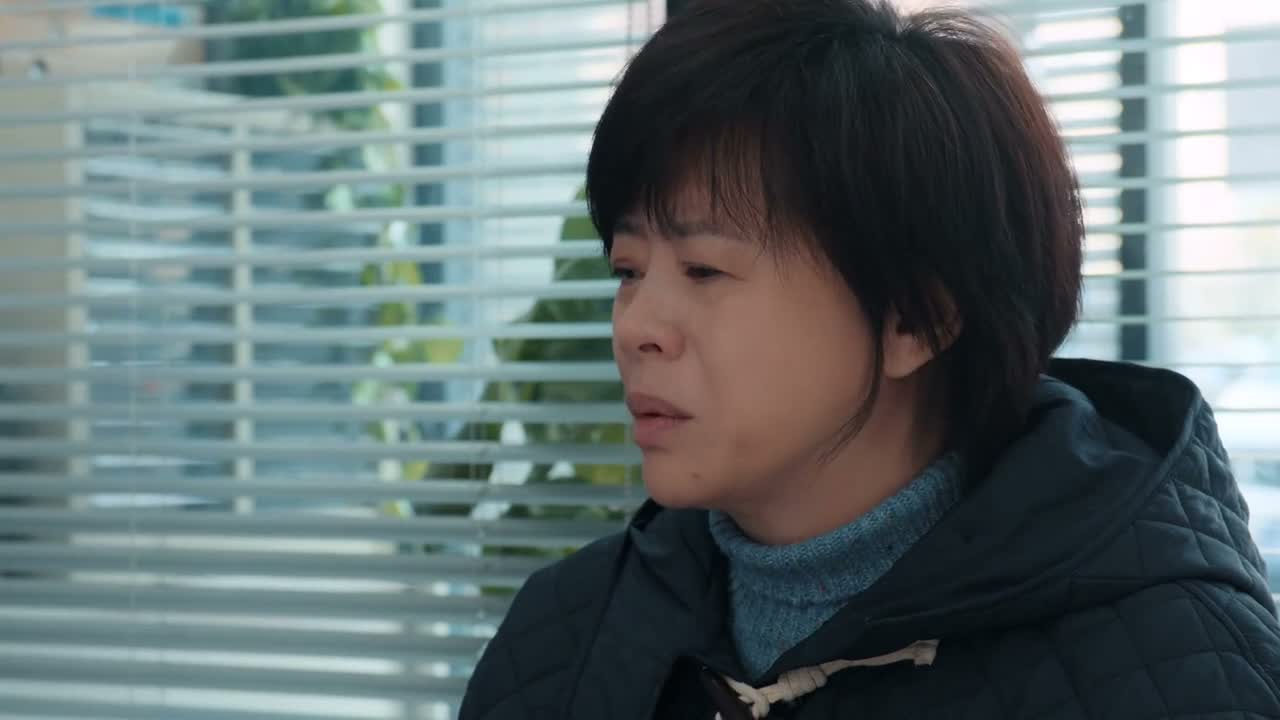
“I really don't know what to do.”
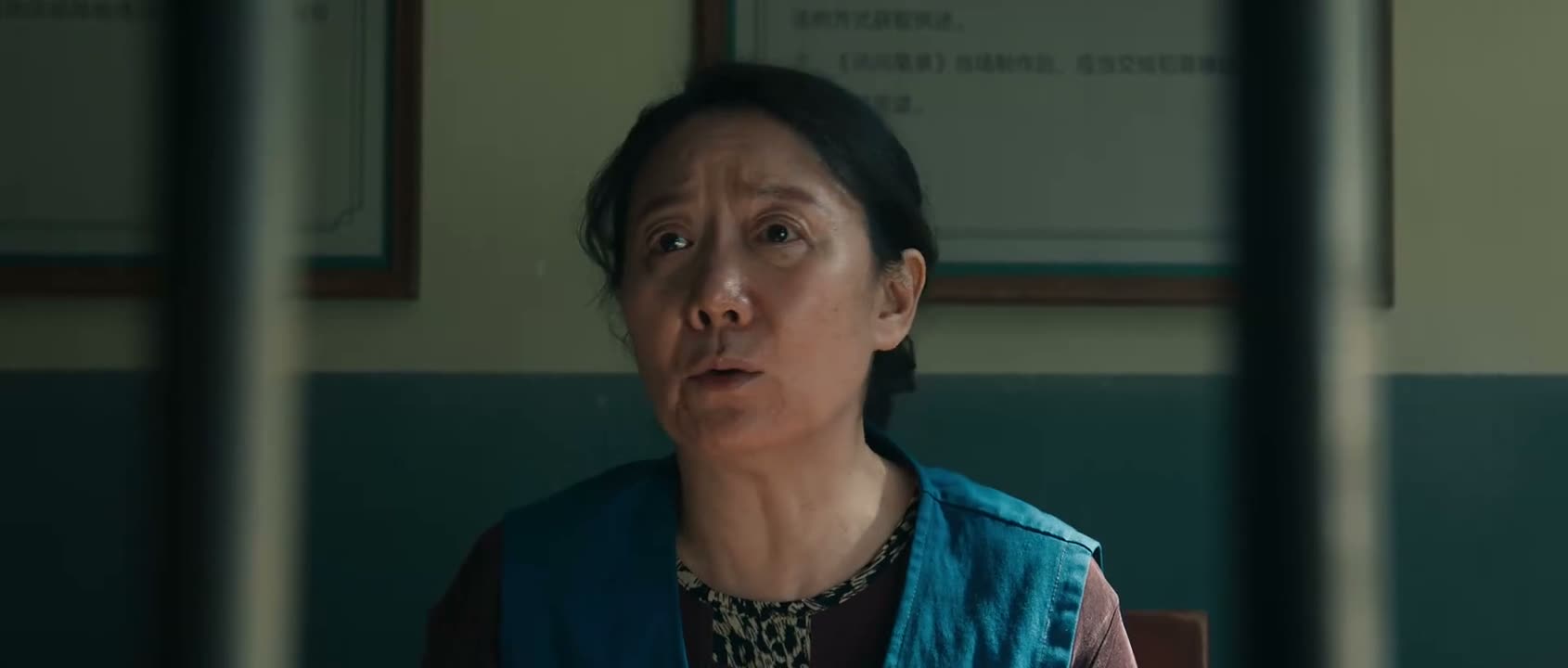
“I really don't know that.”
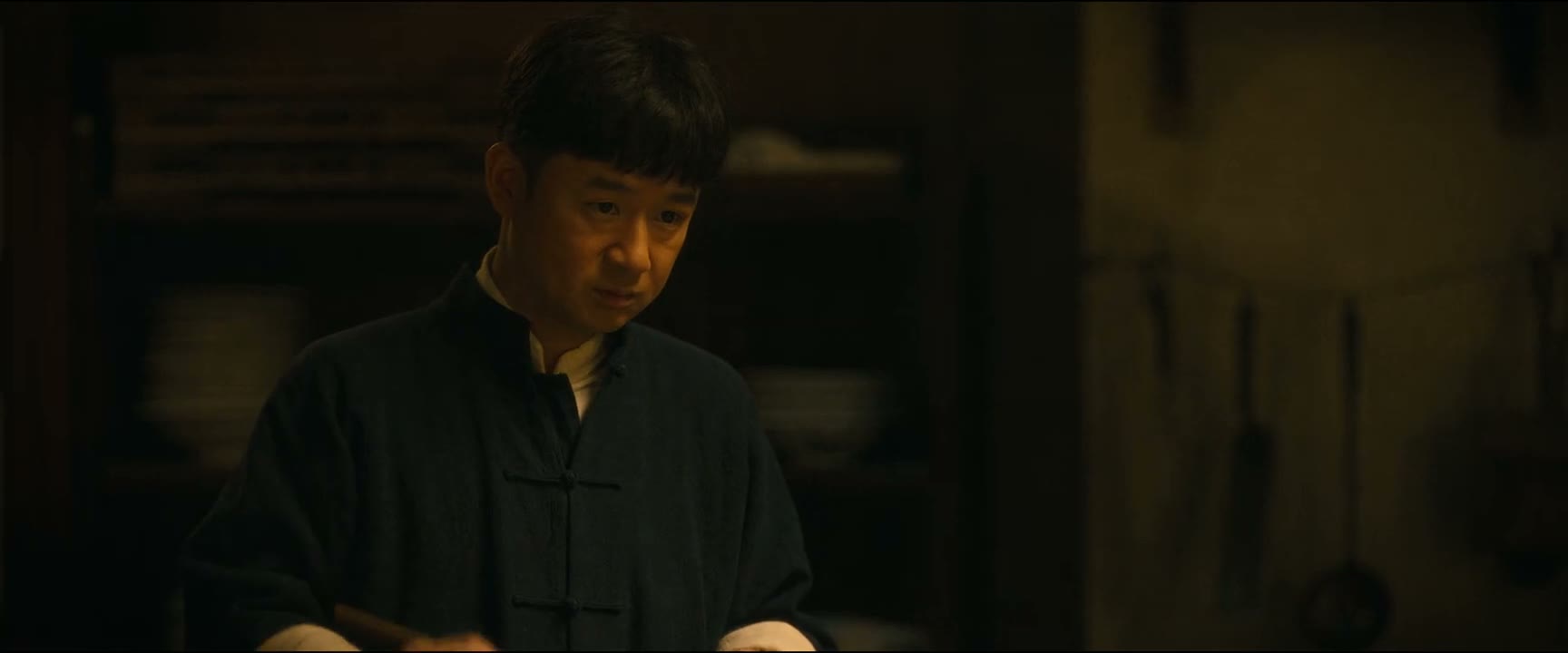
“I really didn't know that finding a suitable job would be so difficult.”

“I don't know. I truly don't know.”

“I really don't know what to do.”

“I wouldn't have known what to do.”

“I don't know what to do anymore.”

“I truly don't know what to do now.”
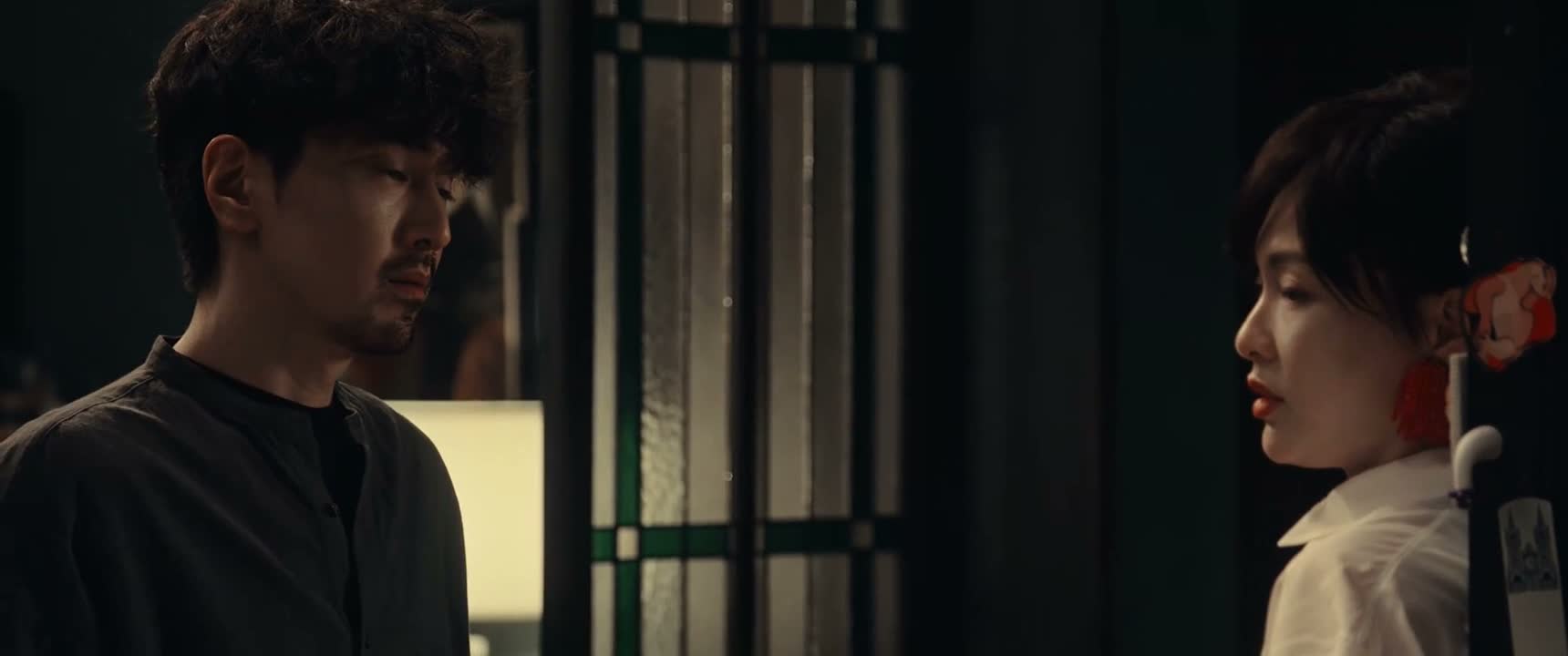
“Honestly, I don't know what to do yet.”

“I... I really don't know what happened.”
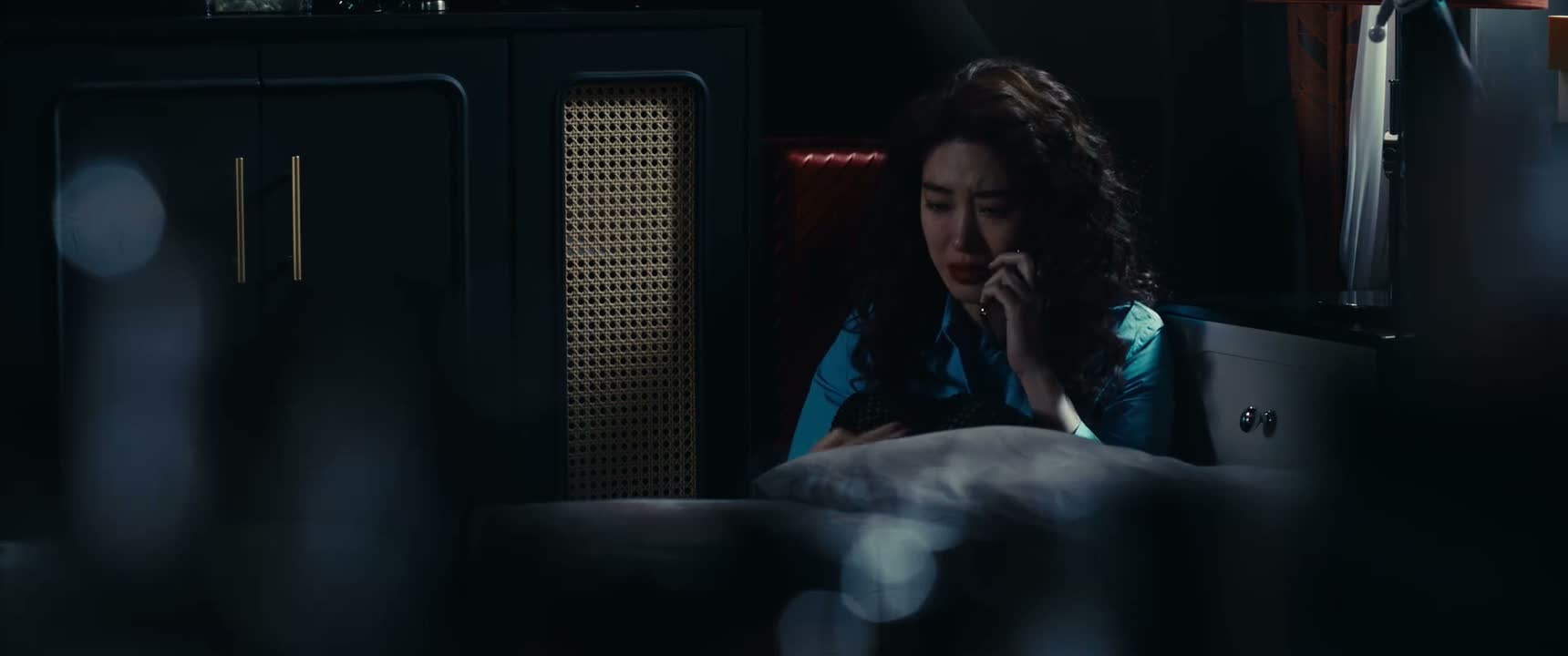
“I didn't know what else to do.”
“Otherwise, I'd have no idea what to do.”

“I don't know what to do. You don't know? How am I supposed to know?”