却不知道怎么做 才是对的
“and I don't know which one is the right choice.”
THE DIALOGUE REEL
我恨自己太脆弱
“I hate myself for being so weak”
却 不知道怎么做 才是 对的
“and I don't know which one is the right choice.”
我想
“I wanted”
Direct spoken expression in this communicative setting.
Expressing self-blame regarding doing things 'right' reveals deep anxiety about failing relational obligations or disappointing a loved one.
LEARNING CHUNKS & PARTICLES
do not know how to proceed; at a loss for what to do
A common spoken structure for expressing bewilderment or personal dilemma.
is the right thing to do; truly counts as correct
Uses '才' to highlight exclusivity, emphasizing finding the single genuinely correct way.
Functions nominally to assert the truth or validity of what is considered right.
VOCABULARY & EXPRESSIONS
Parallel Spoken Cinema Scenes (语义近邻切片)

“Of course I don't! What should we do now?”

“I don't know what I'd have done.”

“You don't know what to do.”

“But I don't know what to do,”
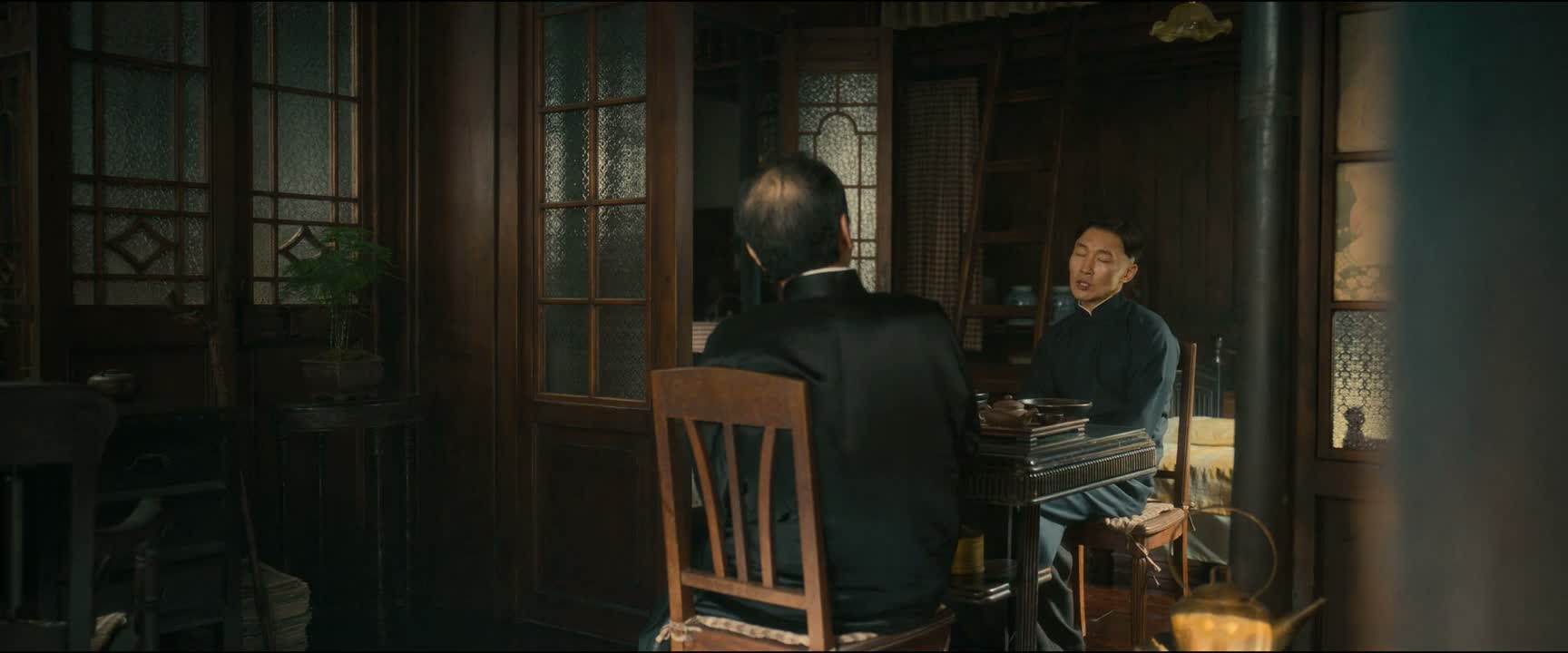
“I really don't know what to do. Since you are here,”

“I really didn't know how to say it.”

“I really wouldn't know what to do.”
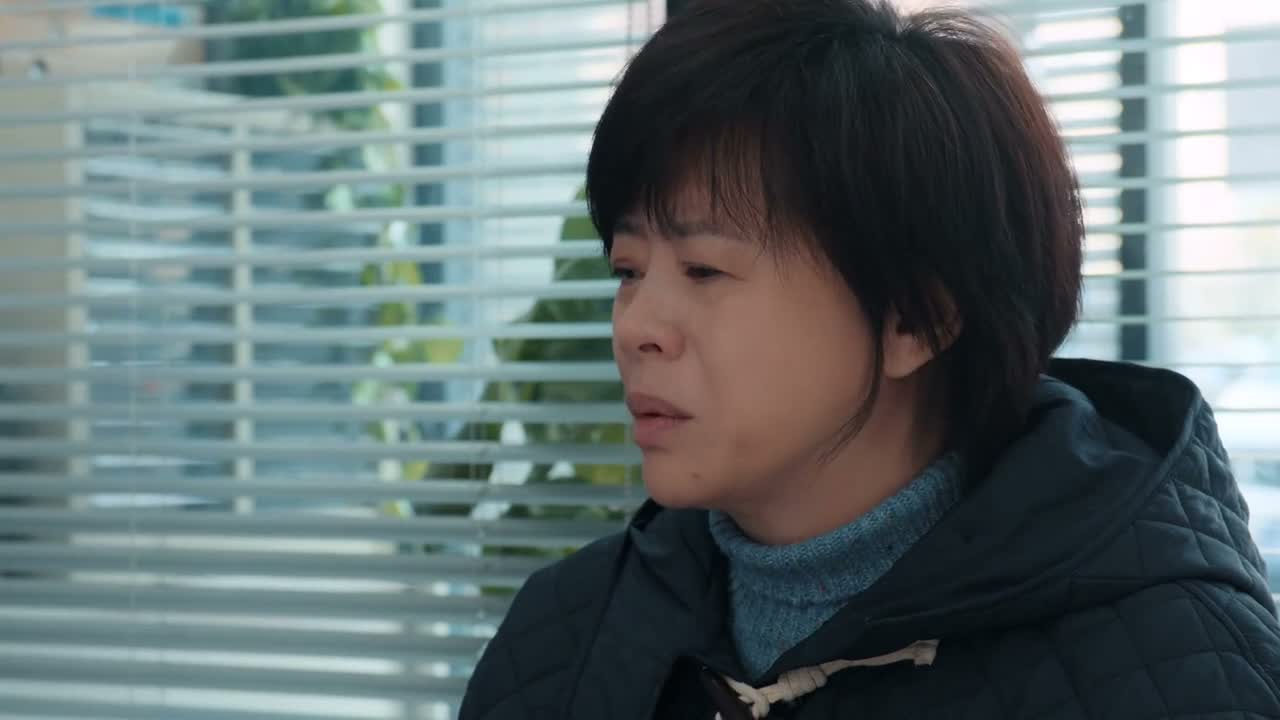
“I really don't know what to do.”

“I really didn't know how to tell you.”

“but never knew she was just a pawn in your game.”

“I... I don't know how to explain it.”

“I wouldn't have known what to do.”

“You don't know what to do now.”

“I don't know what to do anymore.”

“(Running and running, we somehow ended up back) (where we started.)”

“I don't know what to do. You don't know? How am I supposed to know?”