不来不知道啊 没想到这么困难
“I wouldn't have known if I hadn't come. I didn't expect it to be this difficult.”
THE DIALOGUE REEL
“Thank you. County Mayor Lin, have a seat. Let me do it.”
不来不知道 啊 没想到 这么困难
“I wouldn't have known if I hadn't come. I didn't expect it to be this difficult.”
小冯给我的 那一份地质勘测报告 我看了
“I've read that geological survey report Feng gave me.”
“Now that I've seen it firsthand, I realize you guys are dealing with an impossible task.”
Chinese officials emphasize 'shidi diaoyan' (on-site research); personally witnessing frontline hardships is a standard leadership gesture to bridge gaps with workers.
LEARNING CHUNKS & PARTICLES
you never know until you come in person
A common spoken idiom pattern ('不...不知道') used to express enlightenment after firsthand experience.
never expected / did not think that
Used before a clause to highlight a sharp contrast between expectation and reality.
Softens the realization and marks an experiential sigh or exclamation.
VOCABULARY & EXPRESSIONS
Parallel Spoken Cinema Scenes (语义近邻切片)

“I'm not really sure about that. Because I haven't seen him either.”

“Of course I don't! What should we do now?”

“But I don't know why”
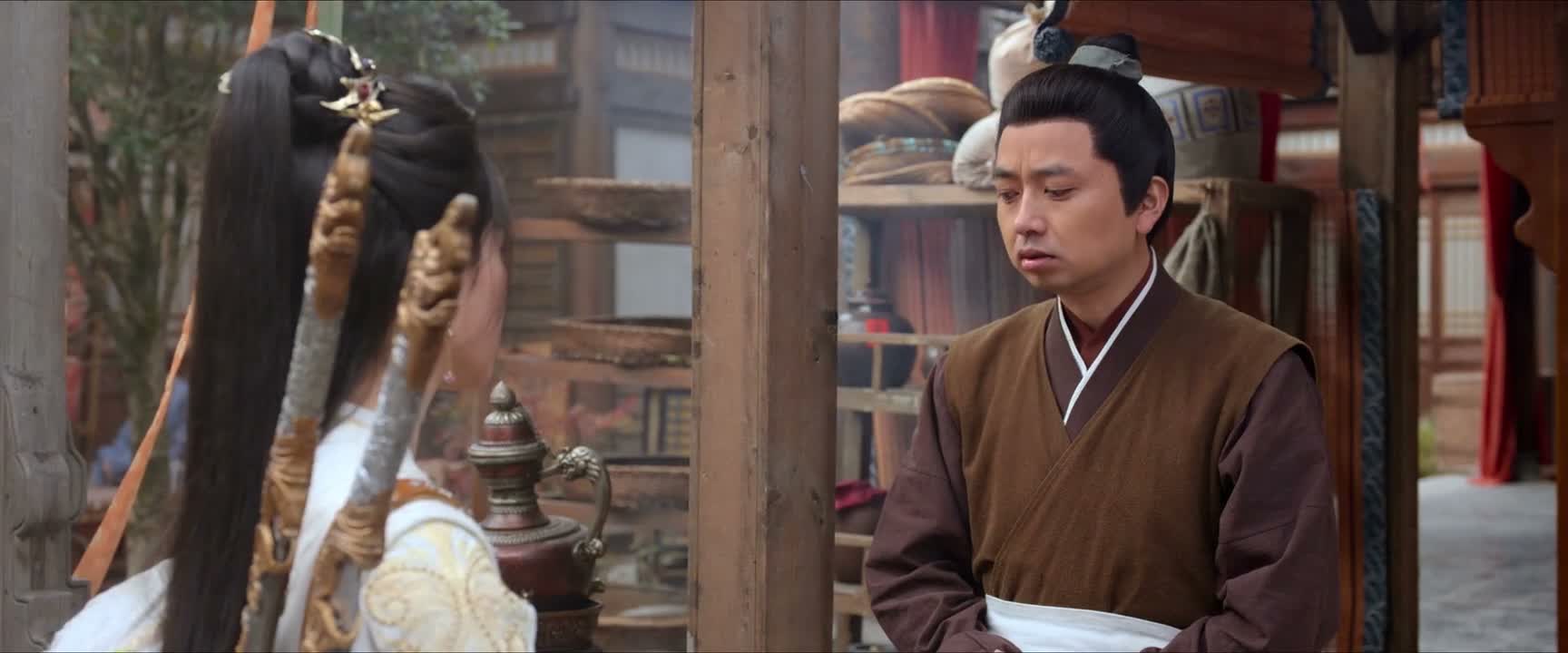
“That I don't know.”

“Why didn't you tell me? I didn't know it at all.”

“Whether it's the top or not, who knows”

“I don't know what got into her today.”

“Do you know how hard it was to think of these?”

“Looks like if something doesn't go wrong, I don't realize how many people care about me.”
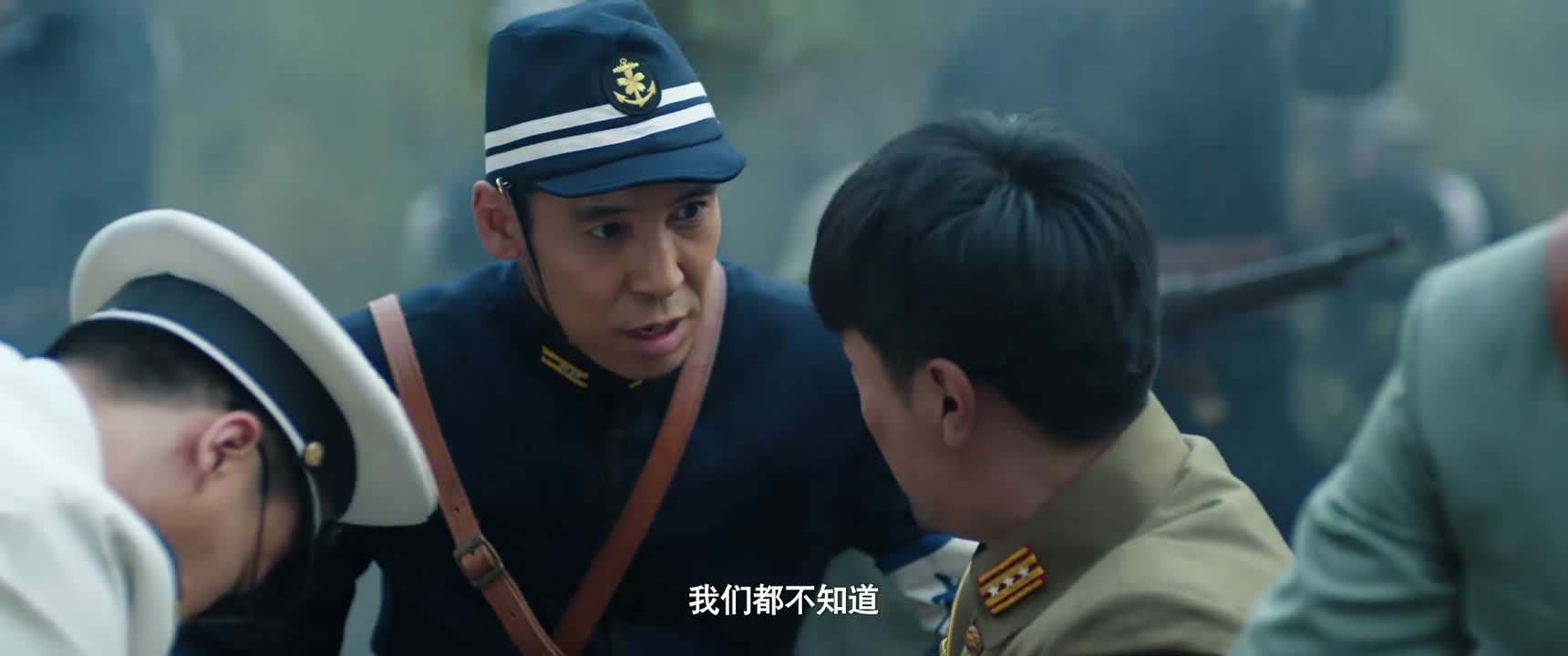
“We didn't know about it”
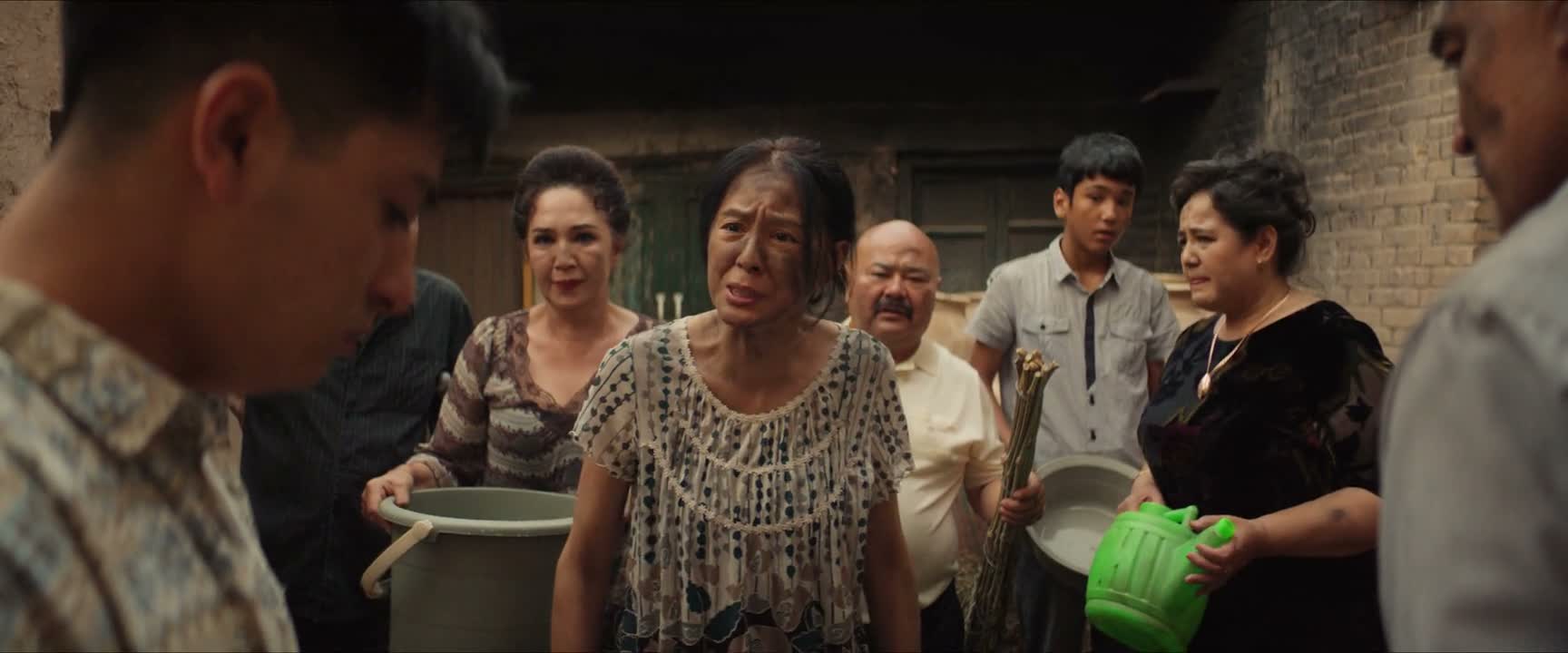
“Don't you know that?”

“I don't know why it disappeared.”

“We don't know.”

“I don't know either.”