我也不清楚 因为我也没有见到
“I'm not really sure about that. Because I haven't seen him either.”
THE DIALOGUE REEL
那现在意识清醒吗
“Is he conscious now?”
我也不清楚 因为我也 没有见到
“I'm not really sure about that. Because I haven't seen him either.”
那江教授怎么说
“What did Professor Jiang say?”
Direct spoken expression in this communicative setting.
Chinese speakers often emphasize the lack of firsthand observation to avoid taking responsibility for inaccurate information.
LEARNING CHUNKS & PARTICLES
I am not quite sure either
A polite and direct spoken formula to deflect an inquiry when one lacks reliable information.
VOCABULARY & EXPRESSIONS
Parallel Spoken Cinema Scenes (语义近邻切片)

“I really don't know.”

“It's all I know. It's all I know.”

“because I don't know him well”

“I wouldn't have known if I hadn't come. I didn't expect it to be this difficult.”

“How could she not? I don't know where she went.”
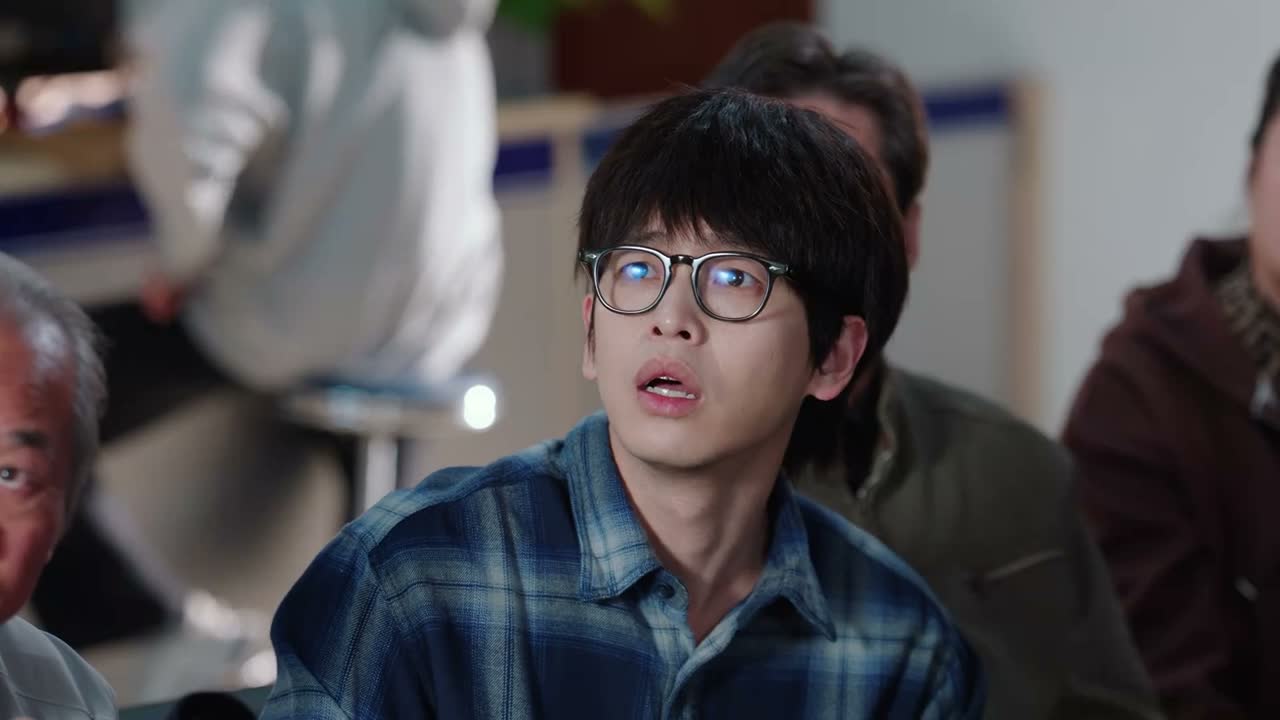
“we don't know the details either. But that's fine.”
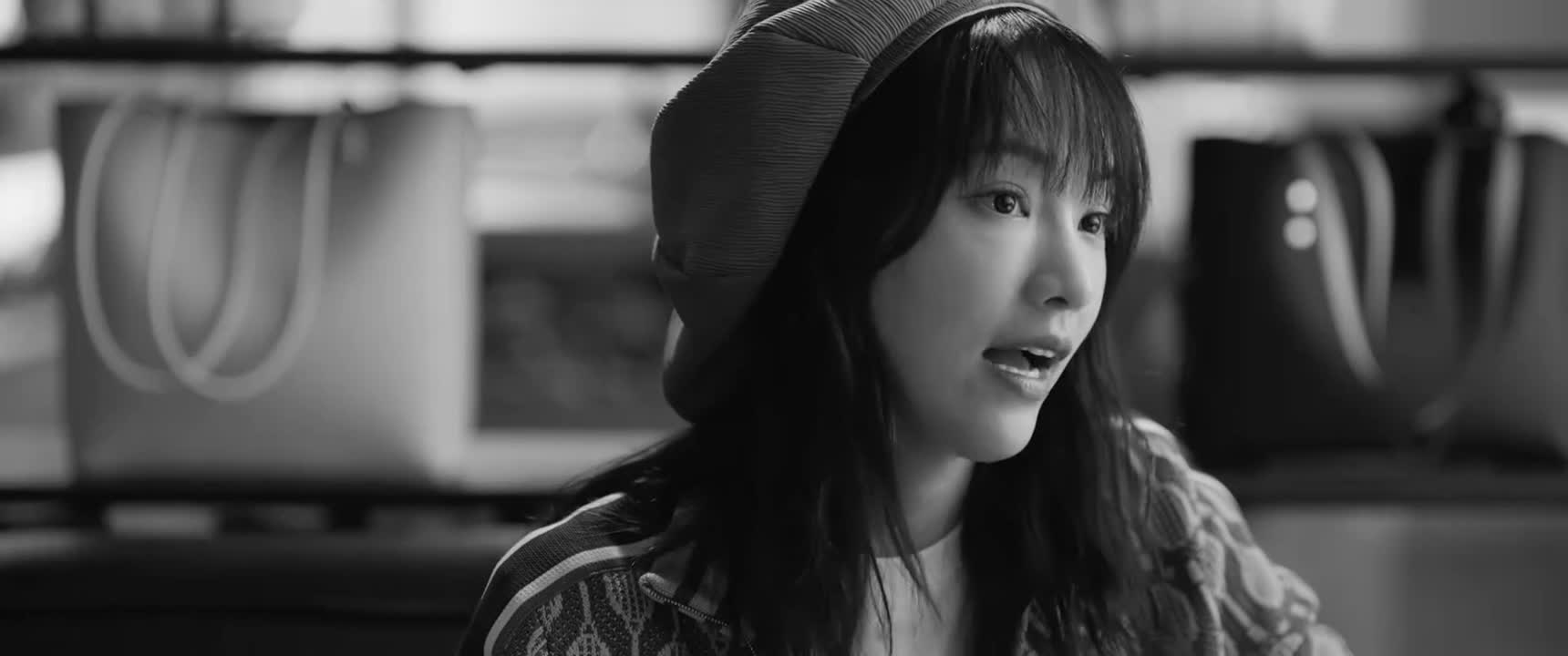
“Looks like you don't know her that well either.”
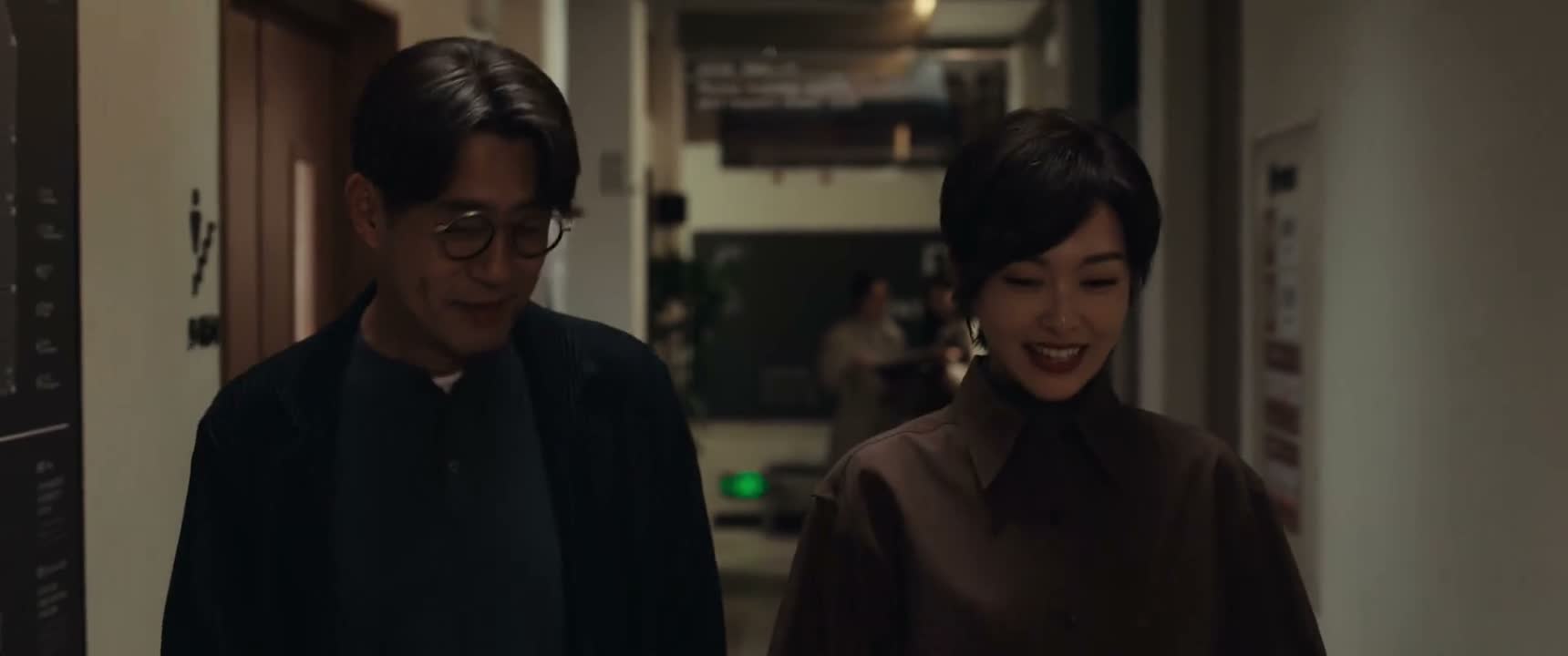
“Looks like if something doesn't go wrong, I don't realize how many people care about me.”

“People might think I'm on bed rest after giving birth.”
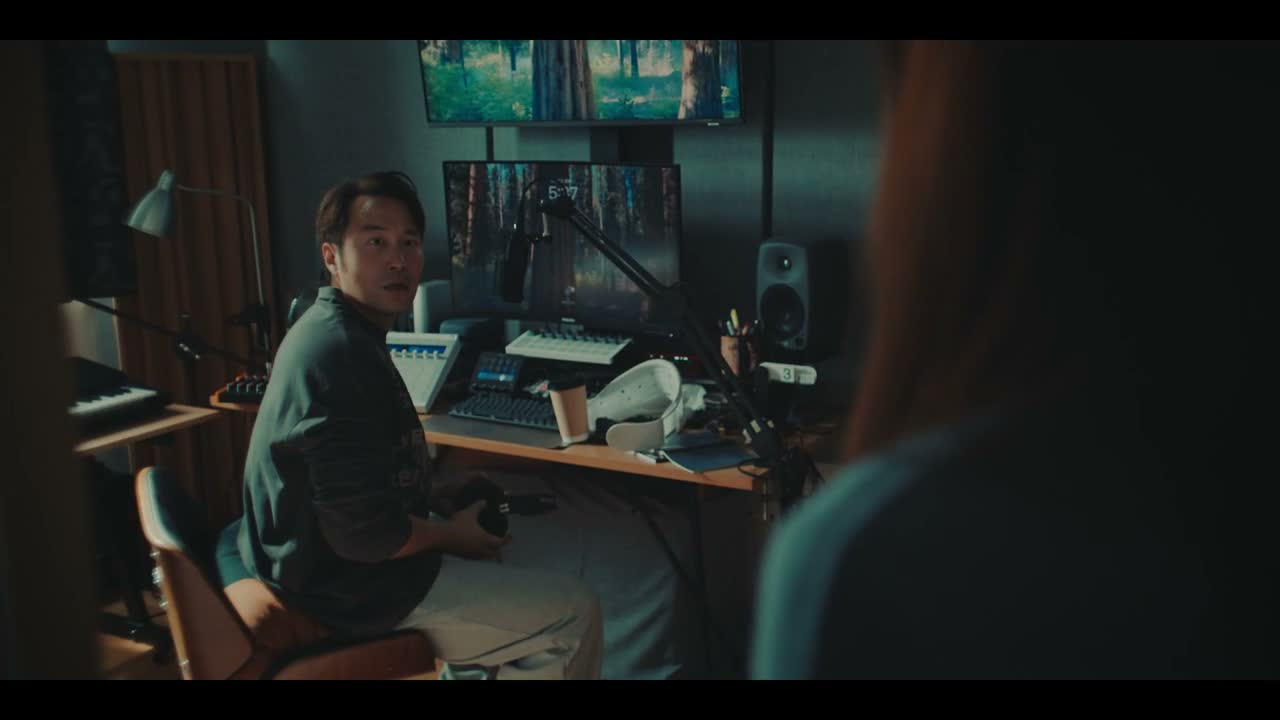
“I don't either. But I need to figure it out.”

“He didn't tell me that. I didn't know.”

“I don't know. Ask my mom.”

“I'm not so sure. I'm sorry, sir. Is there anything else I can help you with?”

“As bystanders, we don't know the full story,”
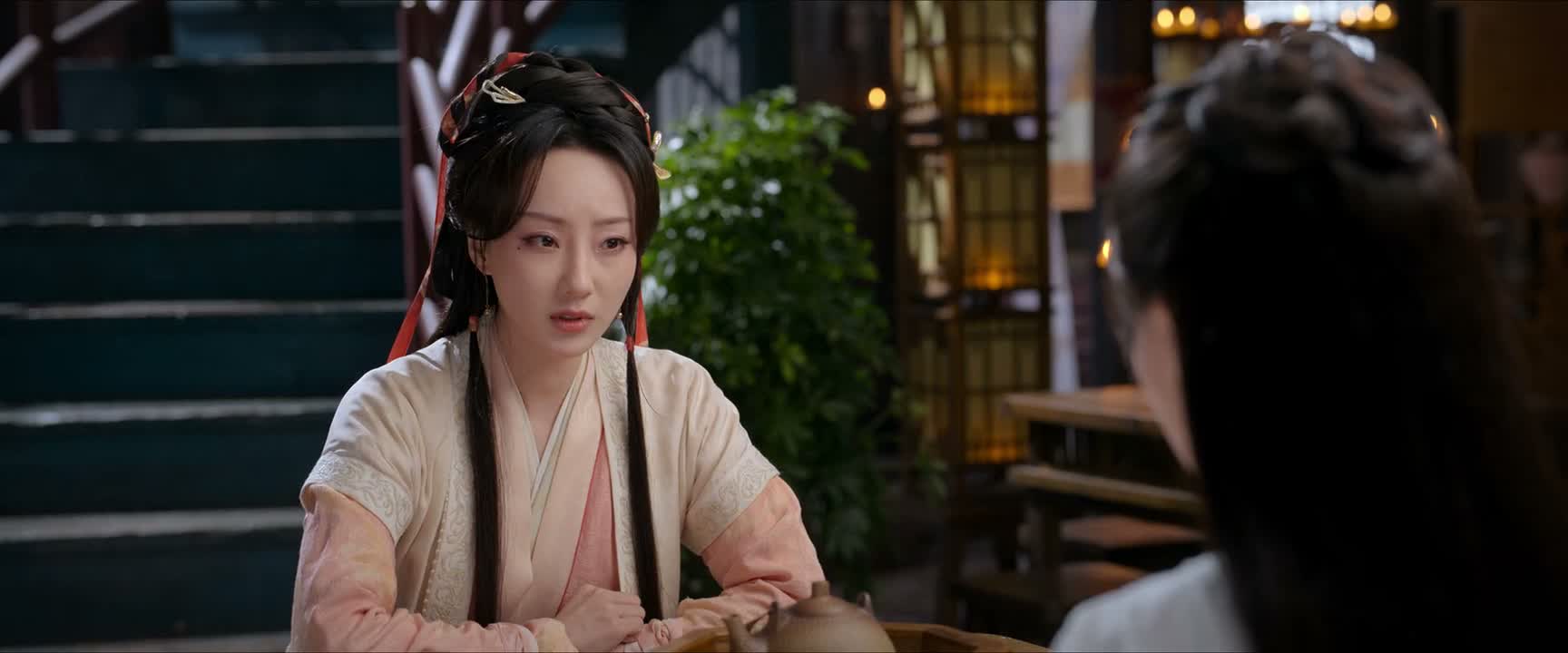
“I'm not so sure about that.”
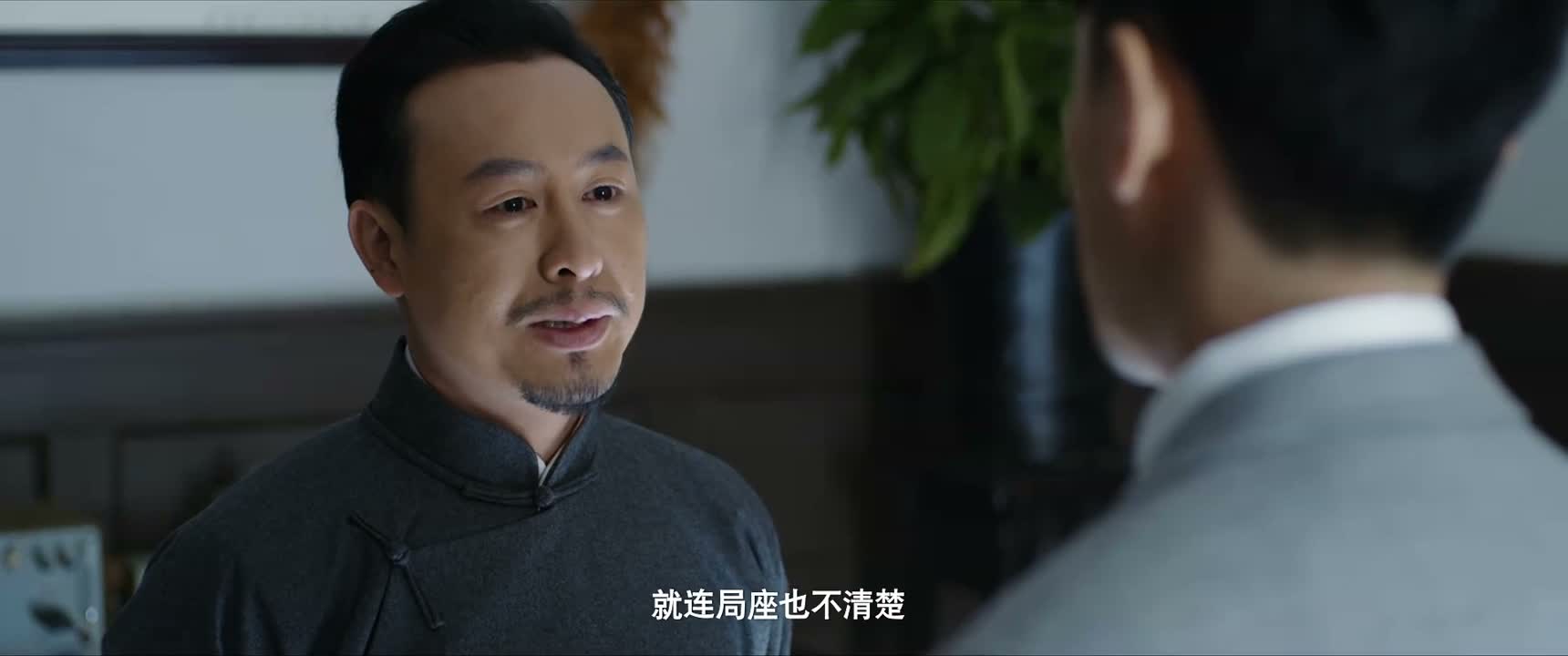
“Even the Bureau Chief doesn't know.”

“I... I don't really know the details.”

“I don't know either. It's just a guess.”

“I... I'm not sure.”

“I haven't seen him either.”

“I don't know. No one picked her.”