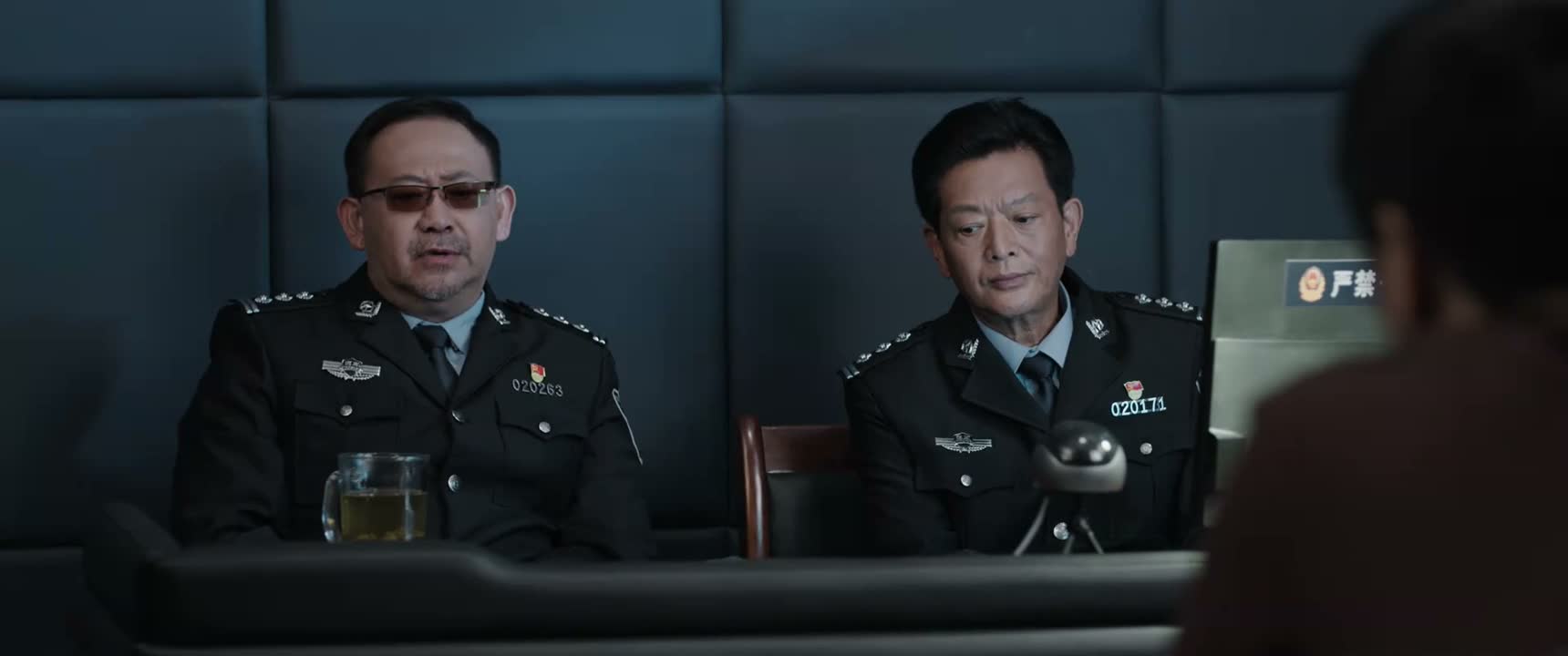
昨天晚上去王晓乐家了吧
“You went to Wang Xiaole's place last night, didn't you?”
THE DIALOGUE REEL
“What exactly happened, Officer?”
昨天晚上去王晓乐家了吧
“You went to Wang Xiaole's place last night, didn't you?”
干什么去
“Why did you go there?”
“We already know you were there last night, so don't even try to deny it.”
Chinese police questioning frequently uses affirmative statements tagged with '吧' to project confidence that the facts are already known, pushing the subject to confess rather than ask for clarification.
LEARNING CHUNKS & PARTICLES
last night
Standard temporal expression frequently used in interrogations and daily recounts.
what did you go do
A direct colloquial follow-up asking for the purpose or motive behind a visit.
Marks the completion of the action of going to the house.
Turns the statement into a tag-question implying strong presumption, pressing the interlocutor for confirmation.
Parallel Spoken Cinema Scenes (语义近邻切片)
“What did you do to Wang Xiaole?”
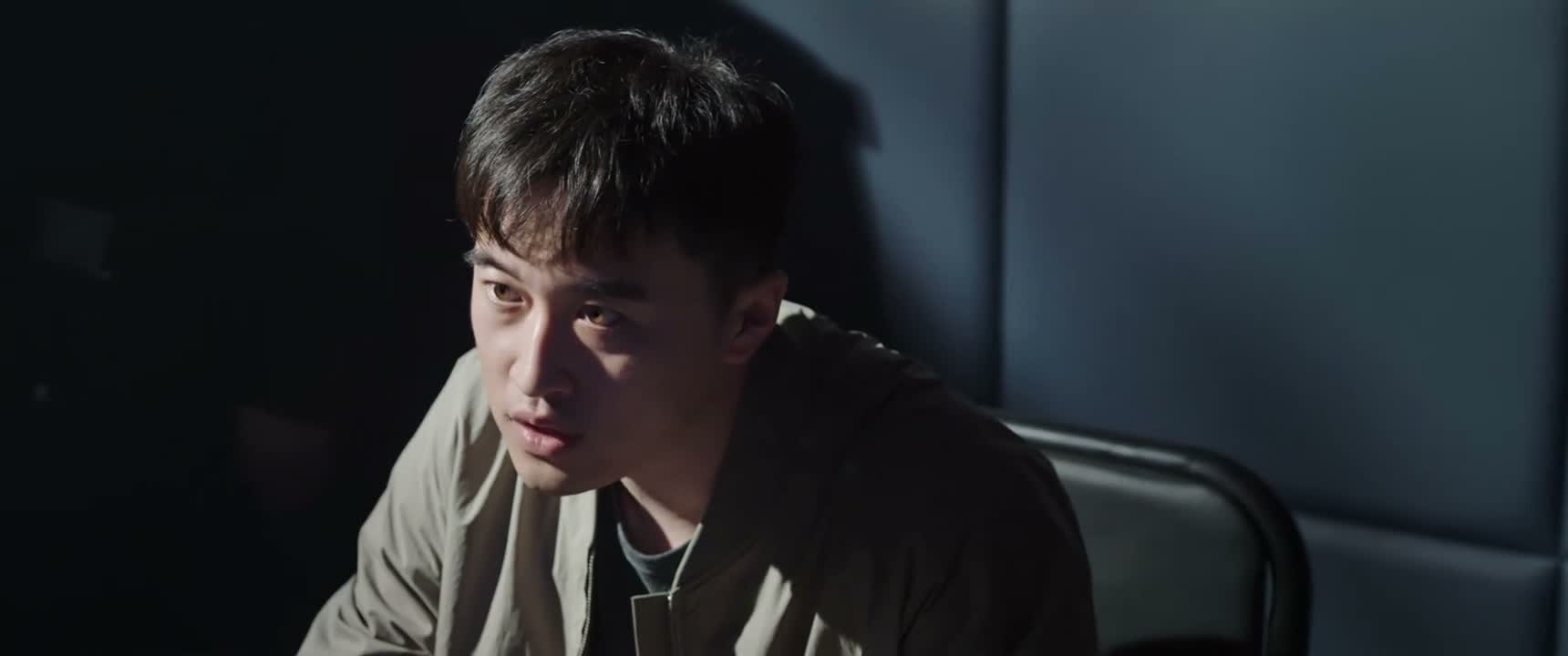
“I've wanted to kill Wang Xiaole for a long time.”

“(Surgery, Surgical Nursing) It's said that ever since the divorce, (Vascular Surgery) he's been drowning his sorrows in drink.”
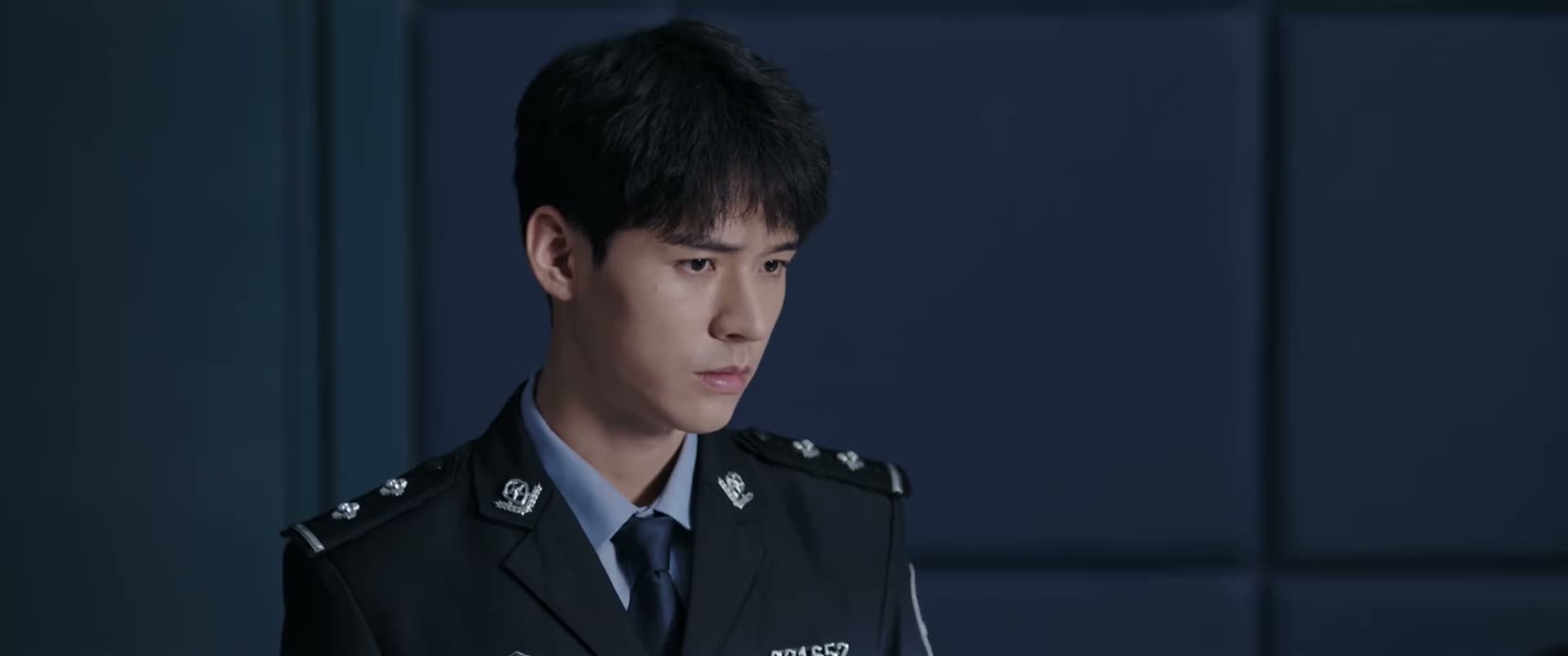
“Haven't you ever thought about standing up for Wang Xiaole?”
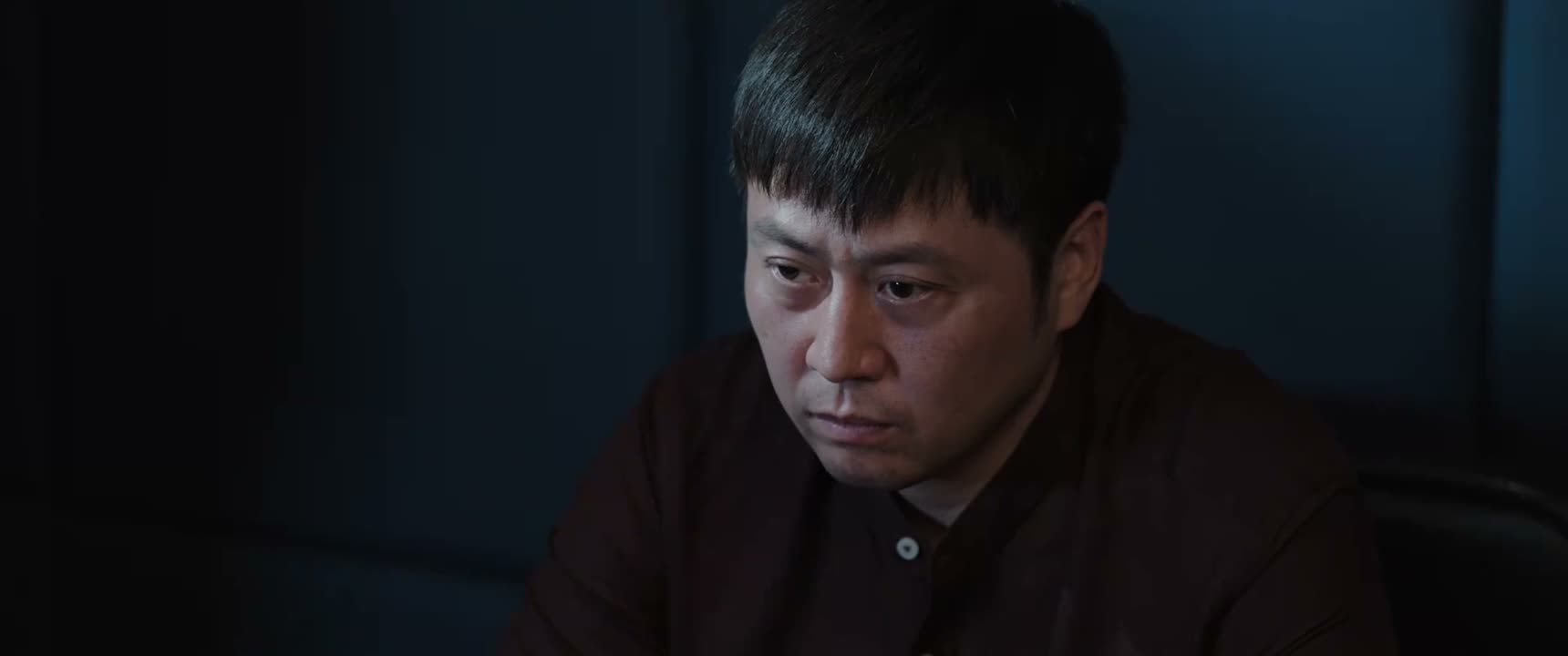
“Just to get closer to Wang Xiaole, right?”

“Wang Xiaole's parents never approved of me from the start.”