MC
MandarinClips Cinema Corpus
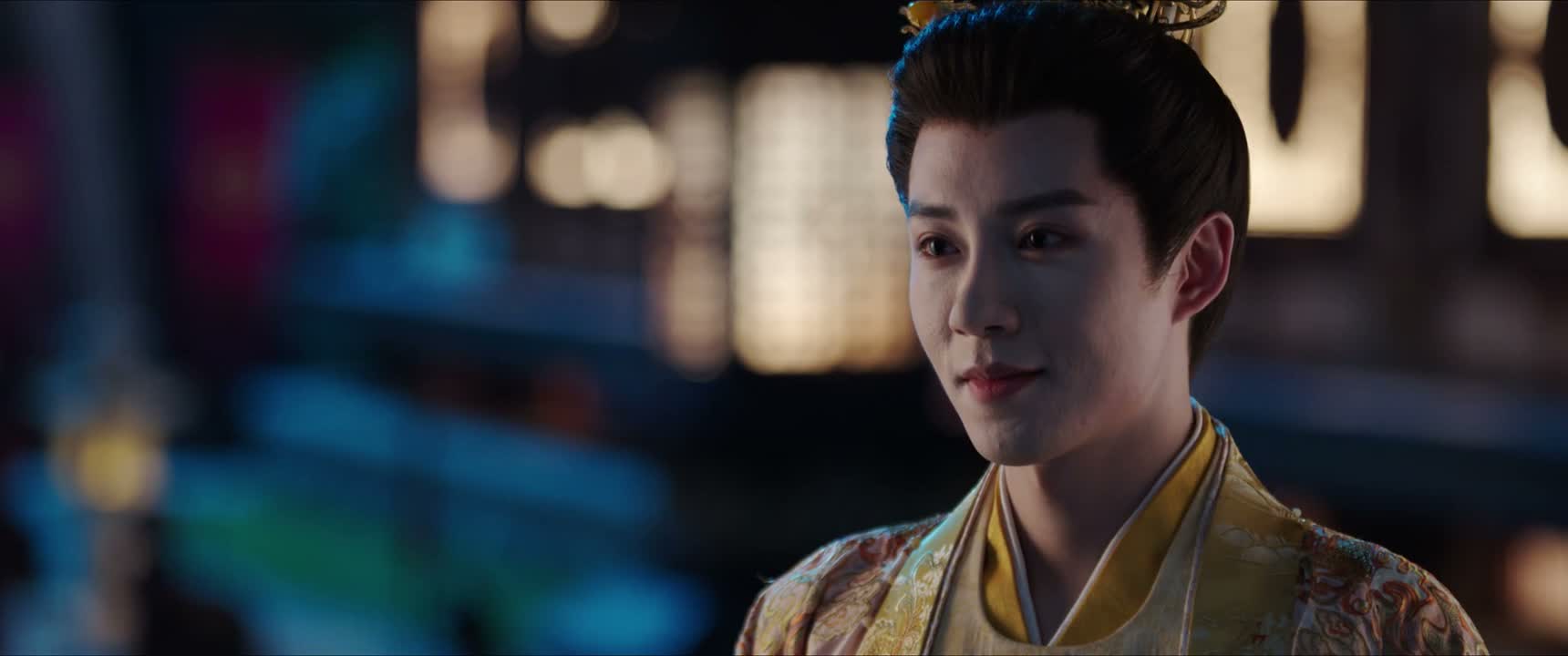
《Coroner's Diary》 S1·E17 (35:21) HSK 3
nà shì zi diàn xià hé niáng zǐ néng yī yàng ma

那世子殿下和娘子能一样吗

“You two are different, of course!”

《Coroner's Diary》 S1·E17
TIMECODE: 35:21 · 1080P MASTER AUDIO

THE DIALOGUE REEL

1+1+1 SPOKEN CONTINUITY
[-1] PREVIOUS TURN dào le wǒ zhè jiù zì chēng nú bì le

到了我这就自称奴婢了

“but so stiff and formal before me?”

nà shì zi diàn xià hé niáng zǐ néng yī yàng ma CURRENT FOCUS

那世子殿下和娘子 能一样吗

“You two are different, of course!”

[+1] FOLLOW-UP TURN hǎo

好

“Fine.”

Subtitles synced to millisecond timecode Browse Show Clips →
Scene: Historical & Court
Function: JUSTIFYING DIFFERENTIAL TREATMENT
Tone: ASSERTIVE
Emotion: INDIFFERENCE
WHAT THEY REALLY MEAN (PRAGMATIC SUBTEXT)
“His high status commands reverence, whereas you don't hold that kind of imperial rank over me.”
💡 Cultural Insight: Strict Status Hierarchy (Zunbei)

In imperial China, speech forms and servant etiquette strictly adhered to royal pedigree, making it customary to treat high royalty with entirely different self-designations compared to household mistresses.

INTENT TAGS: #justification #rhetorical_question #hierarchy #distinction
🧩

LEARNING CHUNKS & PARTICLES

2 CHUNKS · 1 PARTICLES
能一样吗 SPOKEN CHUNK

how could they be the same?

A classic rhetorical pattern asserting that two compared entities are fundamentally incomparable.

世子殿下 SPOKEN CHUNK

His Highness the Prince/Heir

A formal aristocratic title used in historical contexts to address the primary heir of a noble prince.

Modal Particle「吗」 (ma) CHANGE OF STATE

Turns the statement into a rhetorical question to vigorously assert disparity.
🏮

VOCABULARY & EXPRESSIONS

1 EXPR · 0 GRAMMAR
COLLOQUIAL EXPRESSIONS:
CROSS-CINEMA CORPUS BOARD · PARALLEL SCENES

Parallel Spoken Cinema Scenes (语义近邻切片)

EXPLORE BY SEMANTIC SIMILARITY
《Coroner's Diary》 S1·E17 (35:21) · Authentic Cinema Dialogue Corpus