那就是我嘴有问题吧
“Then maybe there is something wrong with my taste.”
THE DIALOGUE REEL
“Right. It doesn't taste fishy at all. Only you think so. Is there something wrong with your taste?”
那就是我嘴有问题吧
“Then maybe there is something wrong with my taste.”
赵恒之
“Zhao Hengzhi.”
“Fine, whatever, blame it on my taste buds if that makes you happy.”
Chinese speakers often adopt mock self-blame to terminate minor interpersonal disputes without escalating into a direct confrontation.
LEARNING CHUNKS & PARTICLES
in that case it must be; then it means
Useful for drawing a direct, often passive-aggressive or resigned conclusion from an interlocutor's premise.
to have a problem; to be at fault/defective
Frequently used colloquially to suggest something or someone is not functioning normally.
Softens the assertion while adding an ironic or resigned undertone of reluctant acceptance.
VOCABULARY & EXPRESSIONS
Parallel Spoken Cinema Scenes (语义近邻切片)
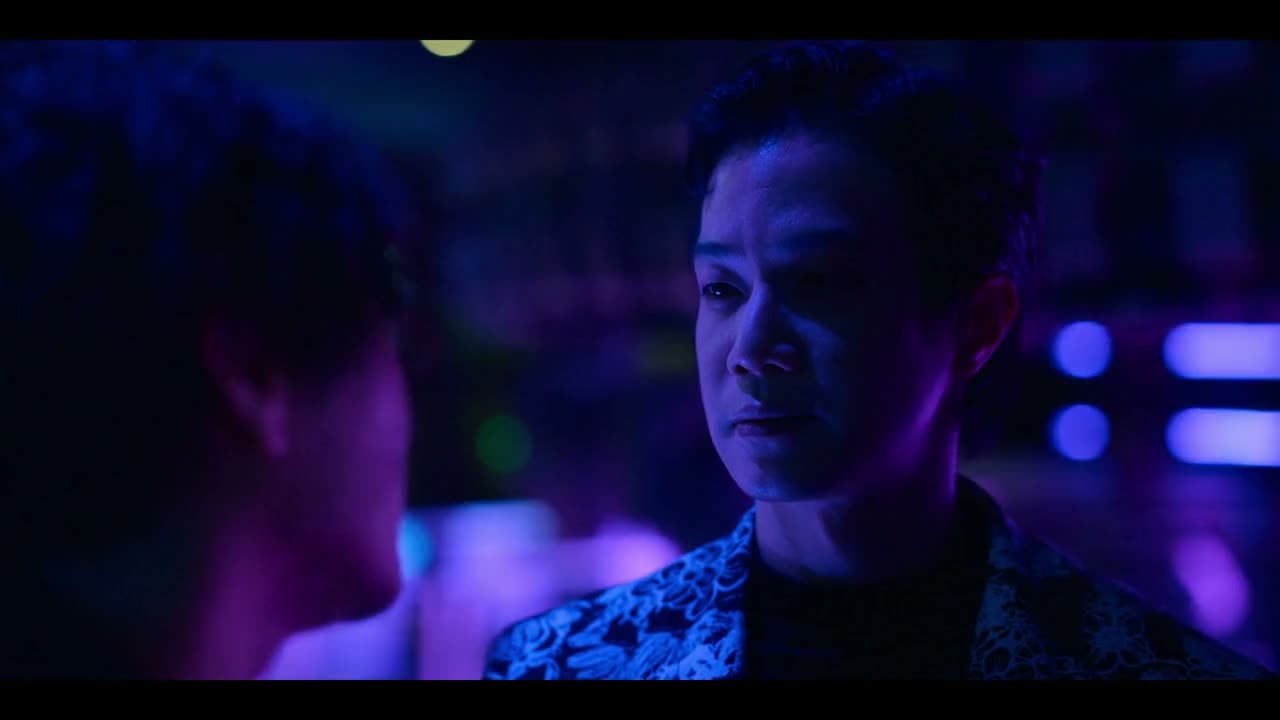
“I can't imagine why someone like Vasavatti would get”

“(Maybe just asking isn't enough.)”

“Why am I losing control of my mouth?”

“lost because they didn't speak up.”

“I was just pretending to be strong.”

“But I couldn't bring myself to sing.”