MC
MandarinClips Cinema Corpus
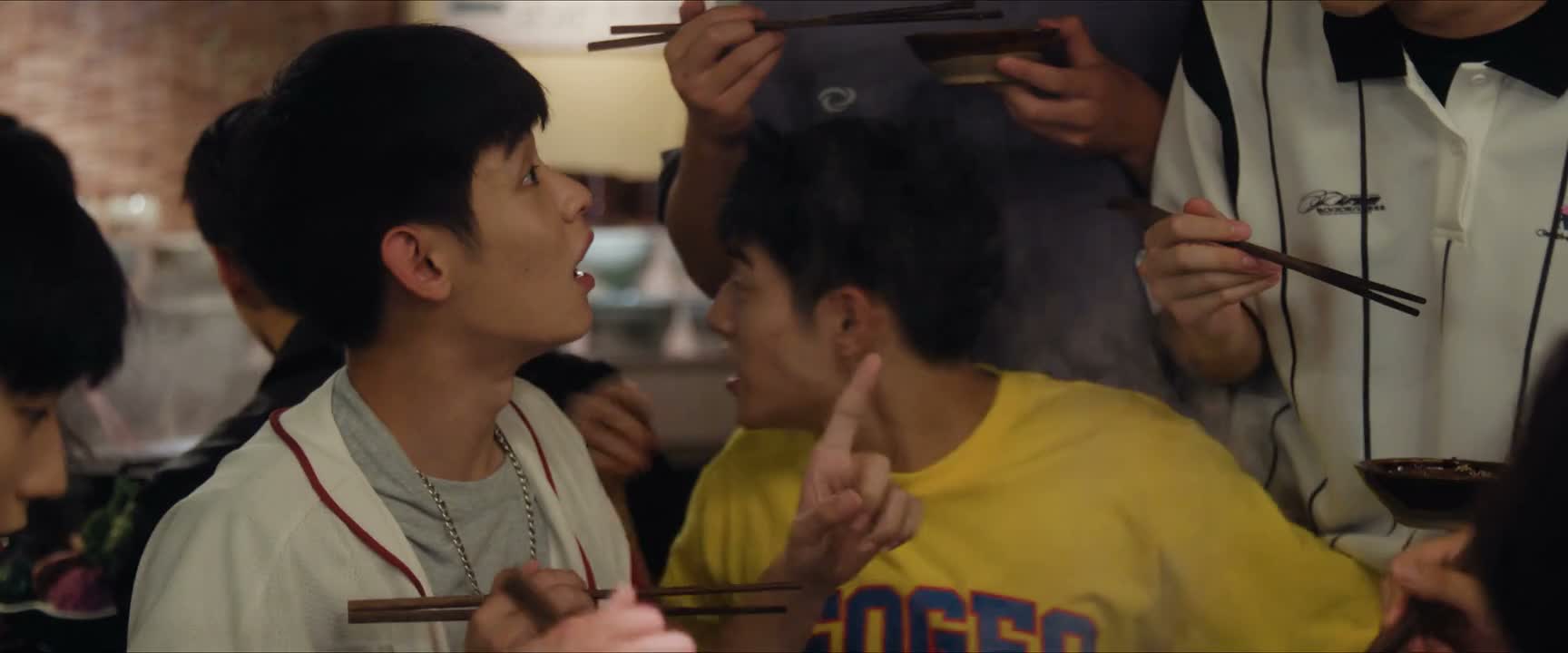
《Road to Success》 S1·E20 (36:20) HSK 2
shàng lái ba xiǎo lín lǎo shī xiǎo lín lǎo shī zhè

上来吧 小林老师 小林老师 这

“Come on up. Ms. Lin! -Ms. Lin. -I'm here.”

《Road to Success》 S1·E20
TIMECODE: 36:20 · 1080P MASTER AUDIO

THE DIALOGUE REEL

1+1+1 SPOKEN CONTINUITY
[-1] PREVIOUS TURN bù zhī dào jīn tiān hái yǒu diǎn lěng

不知道 今天还有点冷

“I don't know. It's a bit cold today.”

shàng lái ba xiǎo lín lǎo shī xiǎo lín lǎo shī zhè CURRENT FOCUS

上来吧 小林老师 小林老师 这

“Come on up. Ms. Lin! -Ms. Lin. -I'm here.”

[+1] FOLLOW-UP TURN xiǎo lín lǎo shī xiǎo lín lǎo shī zǒu zǒu zǒu

小林老师 小林老师 走走走

“-Ms. Lin! -Ms. Lin. Go, go, go!”

Subtitles synced to millisecond timecode Browse Show Clips →
Scene: Travel & Transit
Function: INVITING
Tone: WELCOMING
Emotion: ENTHUSIASM
WHAT THEY REALLY MEAN (PRAGMATIC SUBTEXT)

Direct spoken expression in this communicative setting.

💡 Cultural Insight: Honorific 'Laoshi' (Teacher)

Addressing someone as 'Laoshi' outside an academic setting is a standard Chinese polite convention showing respect for professional expertise.

INTENT TAGS: #beckoning #welcoming #hospitality #guiding
🧩

LEARNING CHUNKS & PARTICLES

2 CHUNKS · 1 PARTICLES
上来吧 SPOKEN CHUNK

come on up; get in

Commonly used to invite someone to board a vehicle, enter a higher platform, or step indoors.

小林老师 SPOKEN CHUNK

Teacher Xiao Lin

In Chinese creative and corporate industries, 'laoshi' (teacher) is frequently used as a polite honorific for skilled peers or colleagues, regardless of actual teaching roles.

Modal Particle「吧」 (ba) CHANGE OF STATE

Softens the imperative 'come up' into a welcoming, warm suggestion.
🏮

VOCABULARY & EXPRESSIONS

2 EXPR · 0 GRAMMAR
CROSS-CINEMA CORPUS BOARD · PARALLEL SCENES

Parallel Spoken Cinema Scenes (语义近邻切片)

EXPLORE BY SEMANTIC SIMILARITY
《Road to Success》 S1·E20 (36:20) · Authentic Cinema Dialogue Corpus