大半夜的
“It's the dead of night!”
THE DIALOGUE REEL
大半夜的
“It's the dead of night!”
“What are you up to? Do me a favor.”
“Why are you disturbing me at this ungodly hour?”
In Chinese culture, interrupting someone late at night without an urgent emergency is considered inconsiderate, often prompting direct or colloquial complaints.
LEARNING CHUNKS & PARTICLES
in the middle of the night
Commonly used as a standalone phrase or topic marker to express complaint about someone doing something at an untimely, late hour.
Emphasizes the late hour as a situational state, carrying an underlying nuance of complaint or dissatisfaction.
VOCABULARY & EXPRESSIONS
Parallel Spoken Cinema Scenes (语义近邻切片)
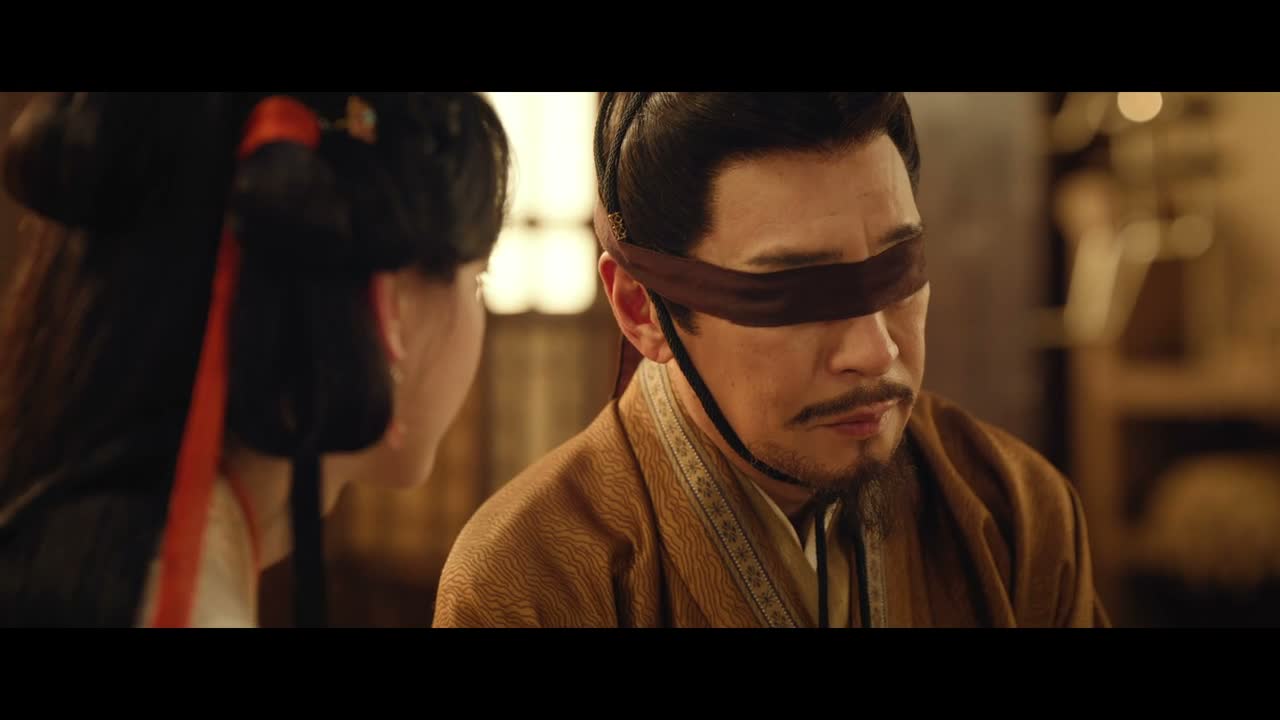
“In the dead of night,”
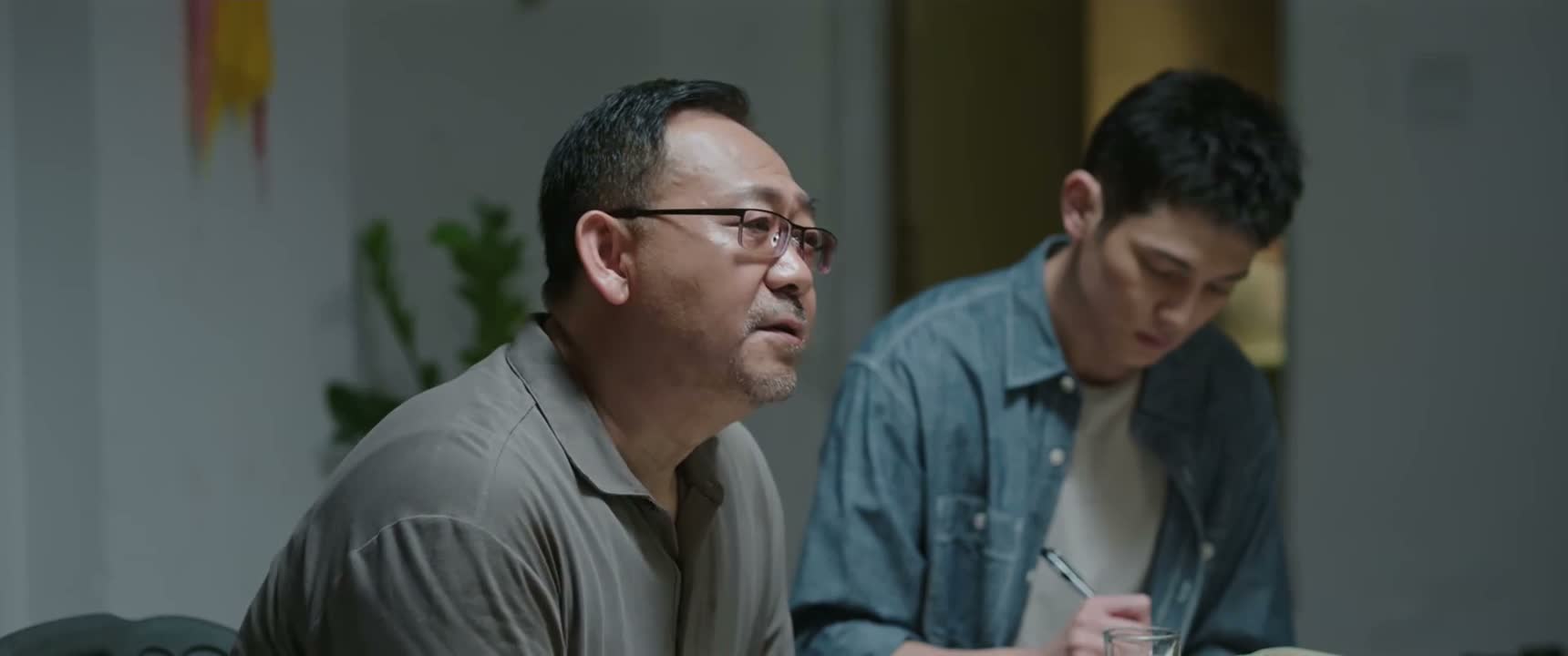
“Weren't you afraid of being discovered burning spirit money in the night?”

“then why is a man and a woman alone on a bed late at night,”

“In the dead of night, with a spirit lying in your bed,”

“The curfew starts at 11 p.m., and is lifted at 3 a.m..”