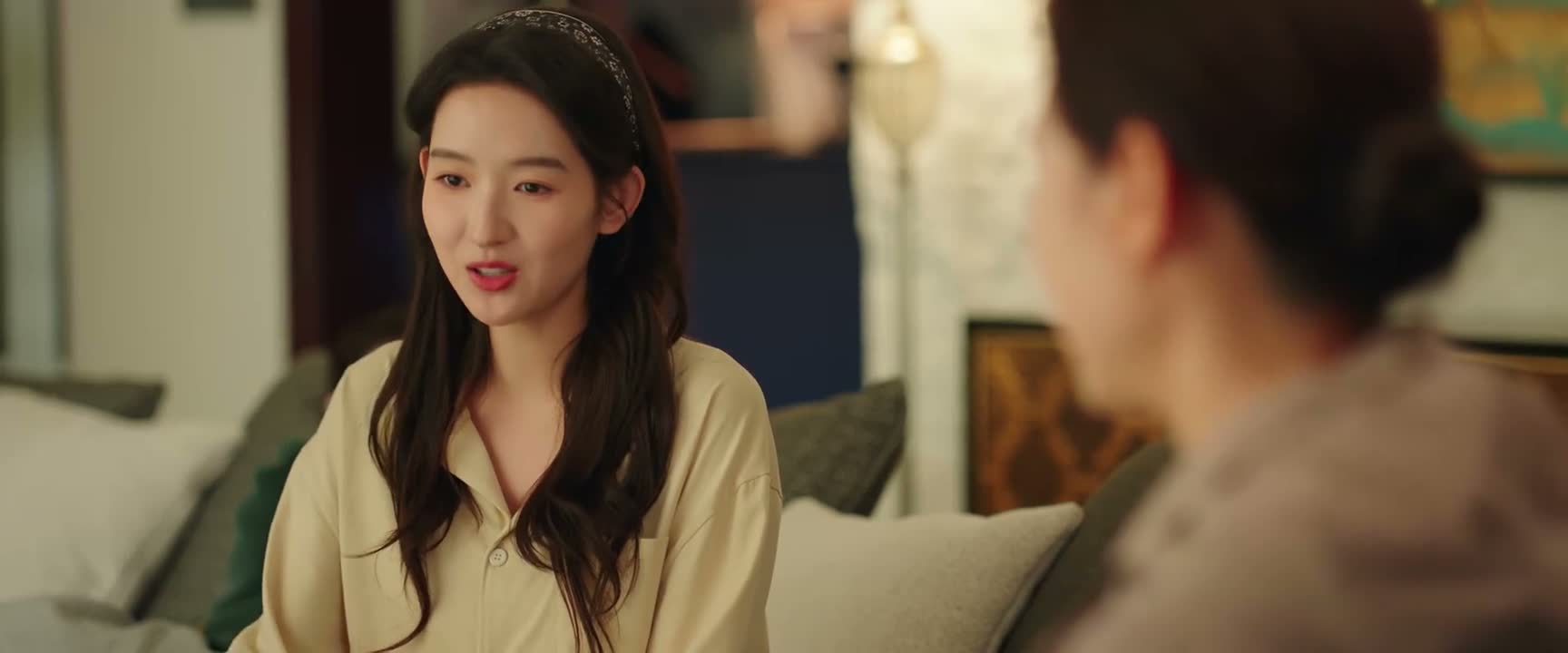
《Ashes to Crown》 S1·E11 (15:57)
HSK 4
wǔ yè mèng huí zhī shí
午夜梦回之时
“In the dead of night,”
《Ashes to Crown》
S1·E11
TIMECODE: 15:57
·
1080P MASTER AUDIO
THE DIALOGUE REEL
[-1] PREVIOUS TURN
shuō de nà xiē huà
说的那些话
“when you left here.”
wǔ yè mèng huí zhī shí
CURRENT FOCUS
午夜梦回之时
“In the dead of night,”
[+1] FOLLOW-UP TURN
ā diē zǒng shì fǎn fù xiǎng qǐ
阿爹总是反复想起
“it has haunted me all this time.”
Subtitles synced to millisecond timecode
Browse Show Clips →
Scene:
Family & Home
Function:
SHARING VULNERABILITY
Tone:
MELANCHOLIC
Emotion:
SADNESS
WHAT THEY REALLY MEAN (PRAGMATIC SUBTEXT)
Direct spoken expression in this communicative setting.
💡 Cultural Insight: Poetic Expression of Grief
Chinese speakers often adopt literary four-character phrasing to elevate emotional gravity and express deep sorrow with dignity.
INTENT TAGS:
#reminiscence
#emotional_disclosure
#melancholy
#reflection
🧩
1 CHUNKS · 0 PARTICLES
LEARNING CHUNKS & PARTICLES
午夜梦回之时
SPOKEN CHUNK
in the dead of night when waking from dreams
A literary idiom used to introduce deep, lingering emotional regret or haunting memories.
🏮
1 EXPR · 0 GRAMMAR
VOCABULARY & EXPRESSIONS
COLLOQUIAL EXPRESSIONS:
CROSS-CINEMA CORPUS BOARD · PARALLEL SCENES
EXPLORE BY SEMANTIC SIMILARITY
Parallel Spoken Cinema Scenes (语义近邻切片)

《Ashes to Crown》 S1·E11 (15:57) · Authentic Cinema Dialogue Corpus