MC
MandarinClips Cinema Corpus
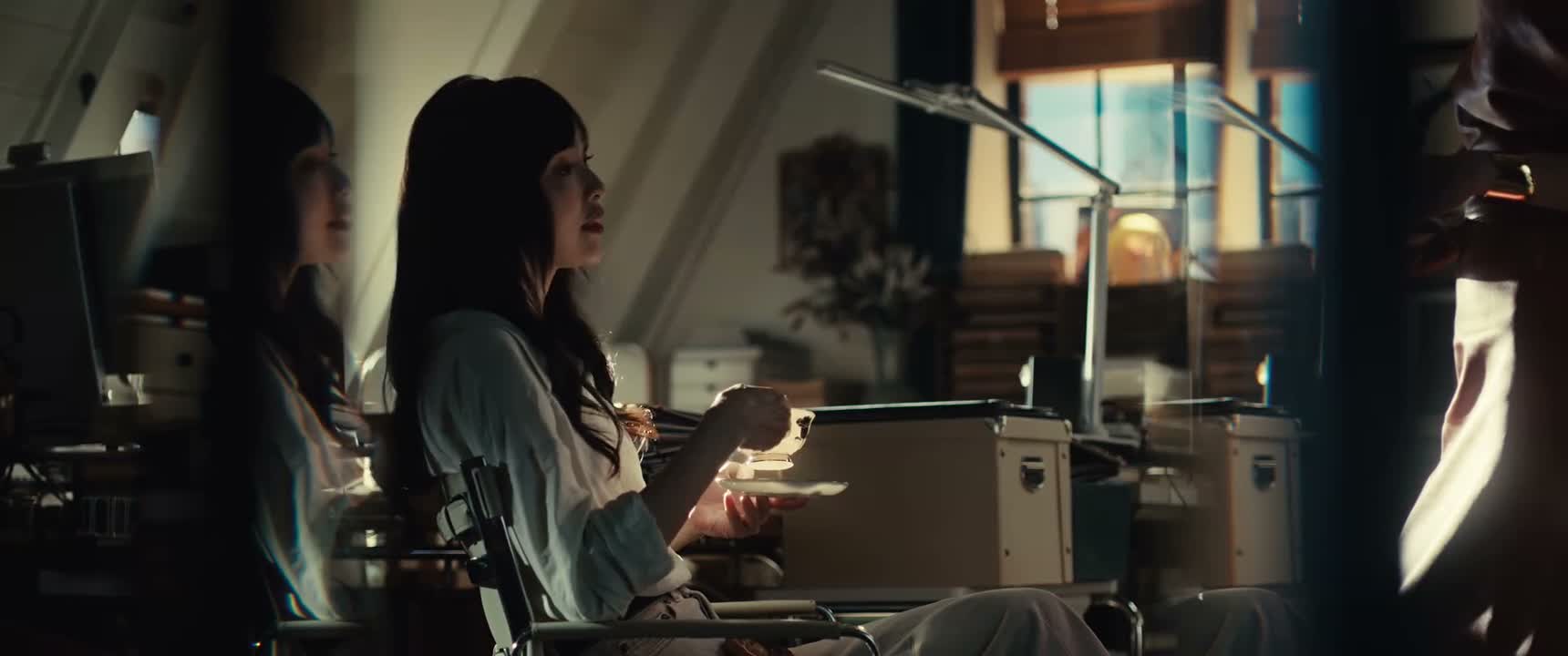
《How Dare You!?》 S1·E23 (08:42) HSK 3
kě wèn tí shì zán yě bù néng zì zhèng qīng bái a

可问题是咱也不能自证清白啊

“But the problem is we can't prove our innocence either.”

《How Dare You!?》 S1·E23
TIMECODE: 08:42 · 1080P MASTER AUDIO

THE DIALOGUE REEL

1+1+1 SPOKEN CONTINUITY
[-1] PREVIOUS TURN xià zài hóng guō ba

下在红锅吧

“Put it in the spicy soup base?”

kě wèn tí shì zán yě bù néng zì zhèng qīng bái a CURRENT FOCUS

可 问题是 咱 也不 能 自证清白 啊

“But the problem is we can't prove our innocence either.”

[+1] FOLLOW-UP TURN shì shuí zài chuán zhè xiē

是谁在传这些

“Who's spreading these rumors?”

Subtitles synced to millisecond timecode Browse Show Clips →
Scene: Dining & Food
Function: EXPRESSING HELPLESSNESS
Tone: RESIGNED
Emotion: FRUSTRATION
WHAT THEY REALLY MEAN (PRAGMATIC SUBTEXT)
“We are stuck in a no-win rumor trap where anything we say will be used against us.”
💡 Cultural Insight: The Burden of Self-Proof

In Chinese social discourse, being forced to 'prove one's own innocence' is widely recognized as an asymmetric trap, since rumors spread easily while clean exoneration is notoriously difficult.

INTENT TAGS: #helplessness #justification #venting #dilemma
🧩

LEARNING CHUNKS & PARTICLES

2 CHUNKS · 1 PARTICLES
可问题是 SPOKEN CHUNK

but the problem is...

A highly colloquial conversational pivot used to introduce a critical obstacle or counter-argument.

自证清白 SPOKEN CHUNK

to prove one's own innocence

A common idiom/collocation used when defending against false accusations or reputational smears.

Modal Particle「啊」 (a) CHANGE OF STATE

Conveys a sense of exasperation and emphasizes the shared dilemma.
🏮

VOCABULARY & EXPRESSIONS

3 EXPR · 0 GRAMMAR
CROSS-CINEMA CORPUS BOARD · PARALLEL SCENES

Parallel Spoken Cinema Scenes (语义近邻切片)

EXPLORE BY SEMANTIC SIMILARITY
《How Dare You!?》 S1·E23 (08:42) · Authentic Cinema Dialogue Corpus