MC
MandarinClips Cinema Corpus
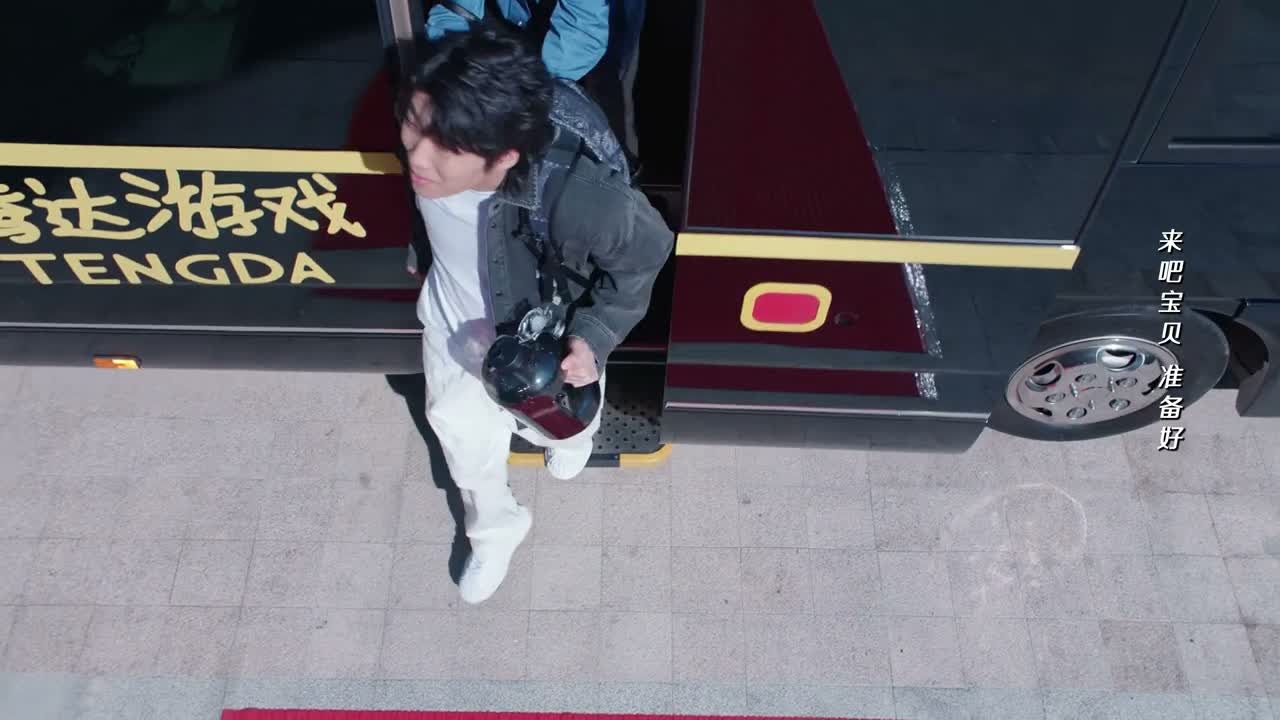
《Born to Be Alive》 S1·E17 (14:40) HSK 4
wǒ bú shì zuò mèng ba nǐ zěn me huí lái le

我不是做梦吧 你怎么回来了

“I'm not dreaming, am I? Why are you back?”

《Born to Be Alive》 S1·E17
TIMECODE: 14:40 · 1080P MASTER AUDIO

THE DIALOGUE REEL

1+1+1 SPOKEN CONTINUITY
[-1] PREVIOUS TURN gē

哥

“Chun!”

wǒ bú shì zuò mèng ba nǐ zěn me huí lái le CURRENT FOCUS

我不是做梦吧 你怎么回来了

“I'm not dreaming, am I? Why are you back?”

[+1] FOLLOW-UP TURN nǐ huí lái yě bù gēn wǒ shuō yī shēng zěn me hái gǎo tū rán xí jī a

“You didn't even tell me you were coming back. Why the surprise attack?”

Subtitles synced to millisecond timecode Browse Show Clips →
Scene: Family & Home
Function: EXPRESSING SURPRISE
Tone: EXCITED
Emotion: SURPRISE
WHAT THEY REALLY MEAN (PRAGMATIC SUBTEXT)

Direct spoken expression in this communicative setting.

💡 Cultural Insight: Kinship Expressions of Joy

Chinese siblings frequently use playful disbelief like questioning their senses to express warmth and affection rather than direct sentimental praise.

INTENT TAGS: #surprise #greeting #affection #inquiry
🧩

LEARNING CHUNKS & PARTICLES

2 CHUNKS · 2 PARTICLES
不是做梦吧 SPOKEN CHUNK

I'm not dreaming, am I?

A colloquial phrase used when encountering an unexpected, delightfully surprising situation.

你怎么回来了 SPOKEN CHUNK

How come you're back?

Common everyday query showing pleasant surprise or mild confusion at someone's unexpected arrival.

Modal Particle「吧」 (ba) CHANGE OF STATE

Softens the rhetorical question and seeks confirmation from the interlocutor.

Modal Particle「了」 (le) CHANGE OF STATE

Indicates a newly realized change of state or completed action of returning.

🏮

VOCABULARY & EXPRESSIONS

2 EXPR · 1 GRAMMAR
CROSS-CINEMA CORPUS BOARD · PARALLEL SCENES

Parallel Spoken Cinema Scenes (语义近邻切片)

EXPLORE BY SEMANTIC SIMILARITY
《Born to Be Alive》 S1·E17 (14:40) · Authentic Cinema Dialogue Corpus