《Love Story in the 1970s》 S1·E21 (11:54)
HSK 2
wǒ de cóng nǎ nòng lái de
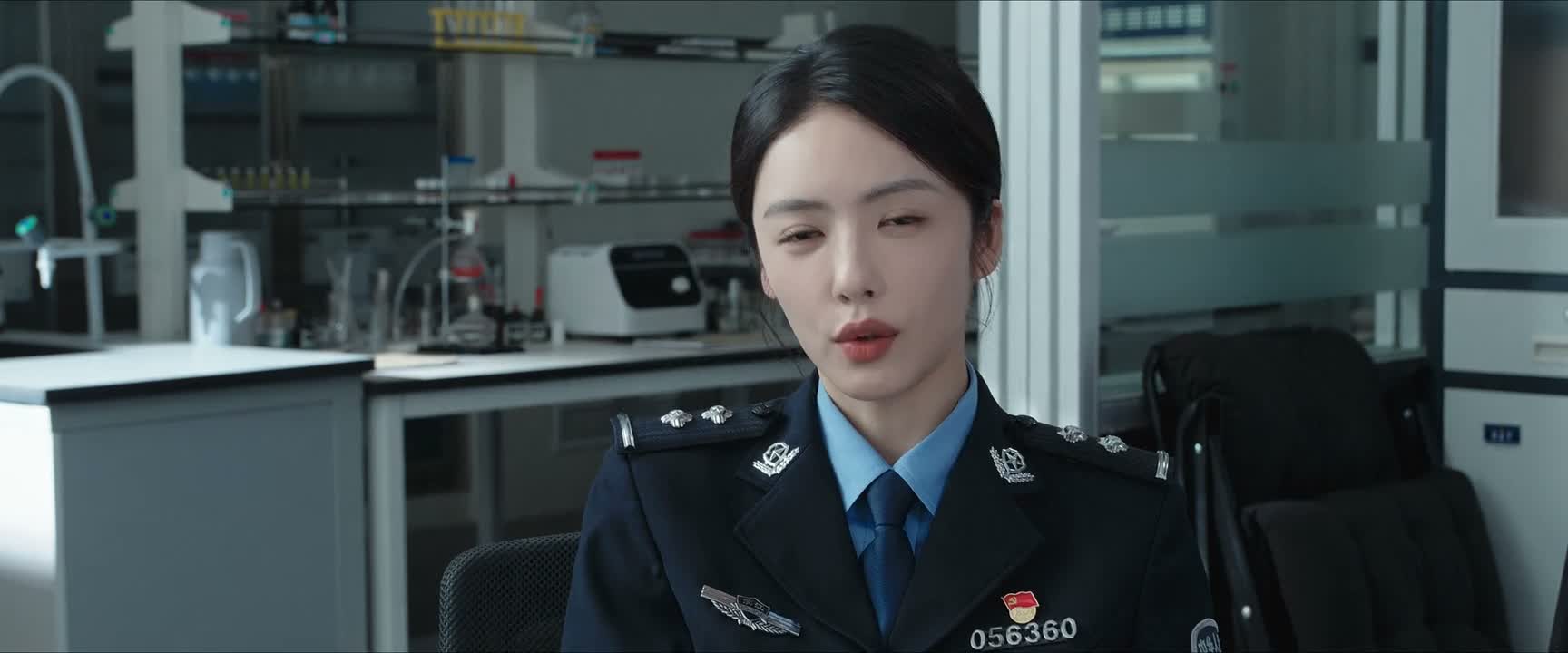
我的 从哪弄来的
“Mine. Where did you get them?”
《Love Story in the 1970s》
S1·E21
TIMECODE: 11:54
·
1080P MASTER AUDIO
THE DIALOGUE REEL
[-1] PREVIOUS TURN
zhè xiē shū shì shéi de
这些书是谁的
“Whose books are these?”
wǒ de cóng nǎ nòng lái de
CURRENT FOCUS
我的 从哪弄来的
“Mine. Where did you get them?”
[+1] FOLLOW-UP TURN
jiǎn de jiǎn de
捡的 捡的
“I found them. Found them?”
Subtitles synced to millisecond timecode
Browse Show Clips →
Scene:
Daily Life
Function:
QUESTIONING OWNERSHIP
Tone:
INQUISITIVE AND BLUNT
Emotion:
SUSPICION
WHAT THEY REALLY MEAN (PRAGMATIC SUBTEXT)
“Those belong to me, so how on earth did you get your hands on them?”
💡 Cultural Insight: Colloquial 'Nong' as a Generic Action Verb
The verb 'nong' functions like 'do' or 'get' in informal Mandarin, widely used when the exact method of acquisition is informal, ambiguous, or irrelevant.
INTENT TAGS:
#inquiry
#claiming_possession
#suspicion
#demanding_explanation
🧩
1 CHUNKS · 1 PARTICLES
LEARNING CHUNKS & PARTICLES
从哪弄来的
SPOKEN CHUNK
where did you get it from
A colloquial way to ask how someone obtained or acquired an object, often carrying a slightly suspicious or amazed nuance.
Modal Particle「的」 (de)
CHANGE OF STATE
Functions in an elliptical construction to confirm attribution/ownership, and marks past event focus in the second clause.
🏮
1 EXPR · 0 GRAMMAR
VOCABULARY & EXPRESSIONS
COLLOQUIAL EXPRESSIONS:
CROSS-CINEMA CORPUS BOARD · PARALLEL SCENES
EXPLORE BY SEMANTIC SIMILARITY
Parallel Spoken Cinema Scenes (语义近邻切片)

《Love Story in the 1970s》 S1·E21 (11:54) · Authentic Cinema Dialogue Corpus