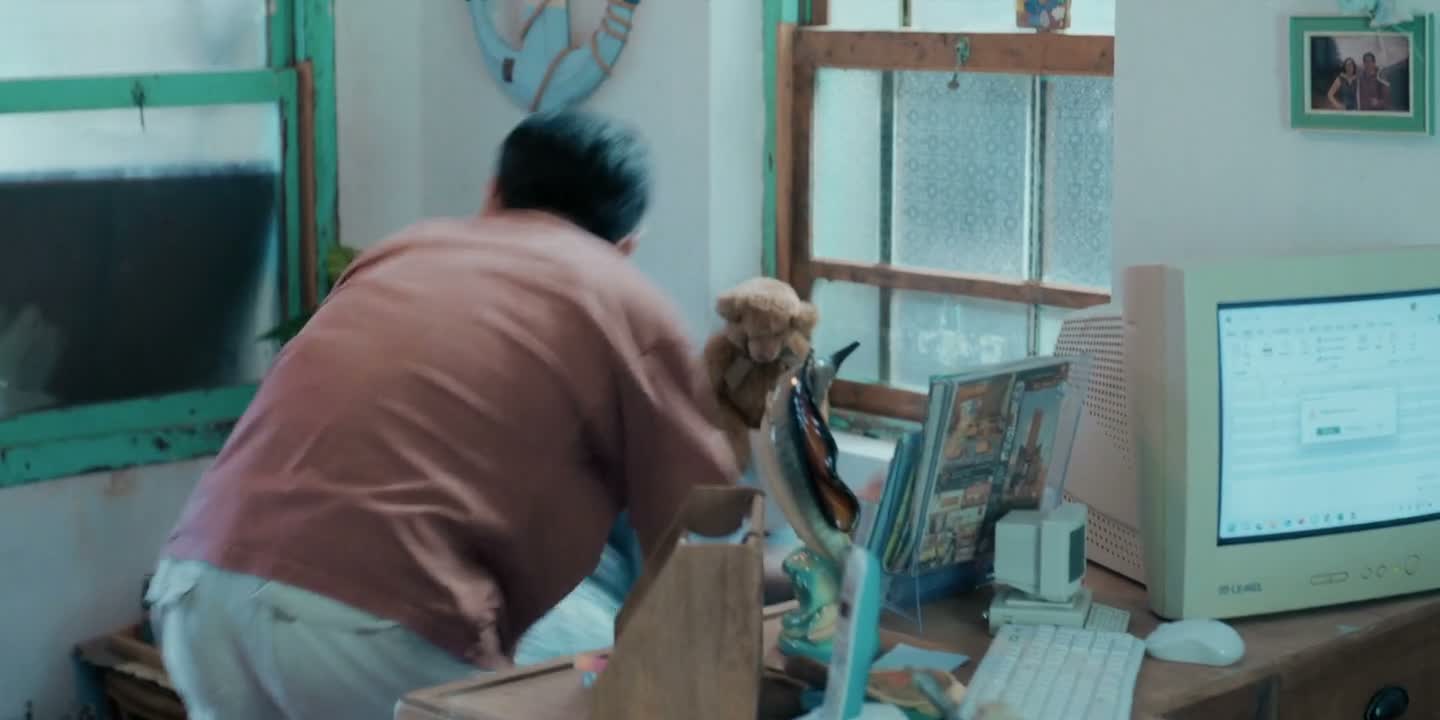
《Veil of Shadows》 S1·E16 (07:39)
HSK 2
wǒ néng zǒu nǎ ér qù ?
我能走哪儿去?
“Where could I have gone?”
《Veil of Shadows》
S1·E16
TIMECODE: 07:39
·
1080P MASTER AUDIO
THE DIALOGUE REEL
[-1] PREVIOUS TURN
wǒ yí gè xiā zi
我一个瞎子
“I'm blind.”
wǒ néng zǒu nǎ ér qù ?
CURRENT FOCUS
我能走哪儿去 ?
“Where could I have gone?”
[+1] FOLLOW-UP TURN
zhè lǐ hǎo lěng
这里好冷
“It's so cold here.”
Subtitles synced to millisecond timecode
Browse Show Clips →
Scene:
Crisis & Conflict
Function:
EXPRESSING HELPLESSNESS
Tone:
RESIGNED
Emotion:
DESPAIR
WHAT THEY REALLY MEAN (PRAGMATIC SUBTEXT)
“I can't see anything, so stop worrying that I will try to run away.”
💡 Cultural Insight: Rhetorical Questioning for Self-defense
In spoken Chinese, rhetorical questions framed with question words like 'where' are frequently used to express exasperation and assert total impossibility rather than seeking genuine information.
INTENT TAGS:
#helplessness
#resignation
#self_defense
#plea
🧩
1 CHUNKS · 0 PARTICLES
LEARNING CHUNKS & PARTICLES
能走哪儿去
SPOKEN CHUNK
where else can one go
A rhetorical phrase used to convey powerlessness or lack of alternatives.
🏮
1 EXPR · 0 GRAMMAR
VOCABULARY & EXPRESSIONS
COLLOQUIAL EXPRESSIONS:
CROSS-CINEMA CORPUS BOARD · PARALLEL SCENES
EXPLORE BY SEMANTIC SIMILARITY
Parallel Spoken Cinema Scenes (语义近邻切片)



《Veil of Shadows》 S1·E16 (07:39) · Authentic Cinema Dialogue Corpus