你换位思考一下
“Put yourself in my shoes.”
THE DIALOGUE REEL
你怎么会了解 家里面兄弟姐妹多 做大哥的难呢
“How can you understand the difficulty to be a big brother with many siblings?”
你 换位思考 一下
“Put yourself in my shoes.”
“What would you do if you were me?”
“You have no right to judge me until you have walked in my shoes.”
In traditional Chinese culture, the eldest sibling carries immense patriarchal pressure to protect and support younger family members, often cited to explain or excuse extreme actions.
LEARNING CHUNKS & PARTICLES
to put oneself in another person's shoes; empathetic perspective-taking
A very common four-character expression used when asking someone to be fair and understand one's perspective during an argument or negotiation.
a little bit; briefly
Attached after a verb to soften the imperative tone of a request.
VOCABULARY & EXPRESSIONS
Parallel Spoken Cinema Scenes (语义近邻切片)

“Think about how it will affect the people around you.”
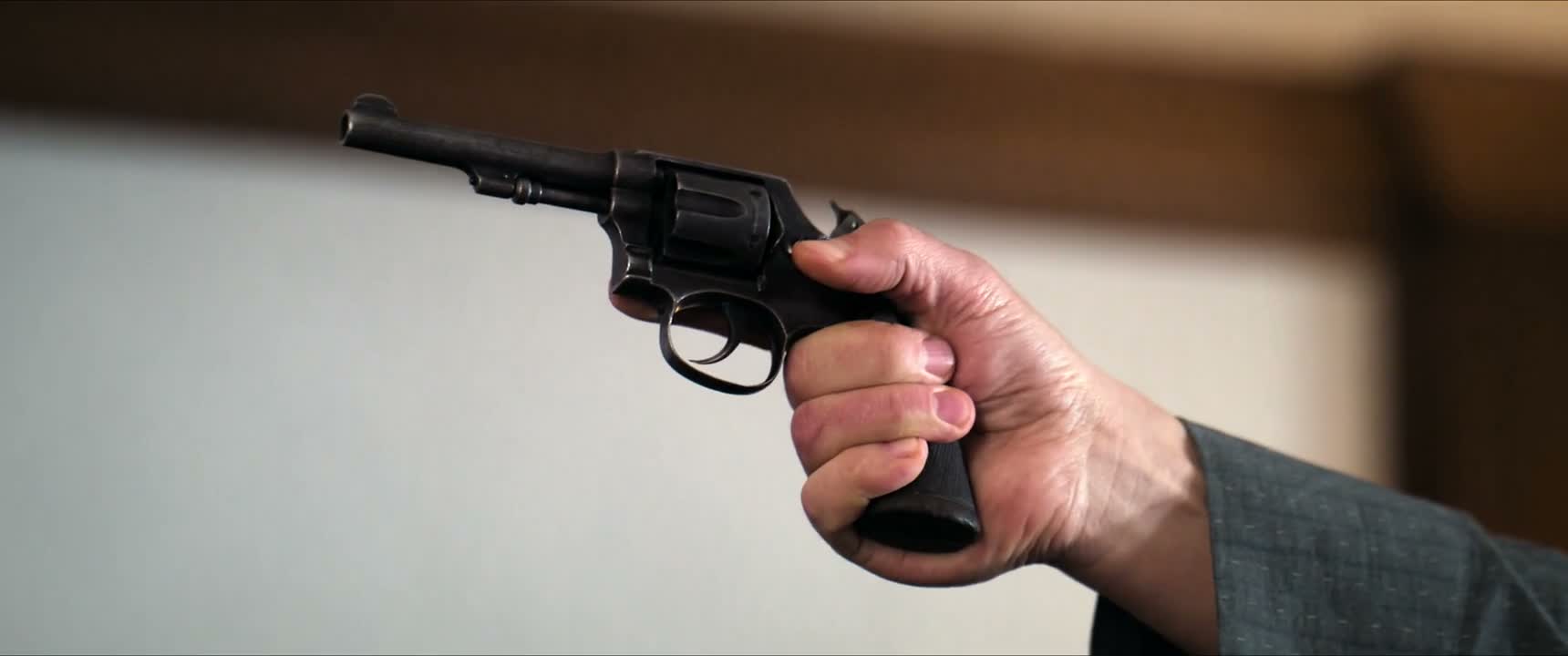
“Think more about how it will affect the people around you.”
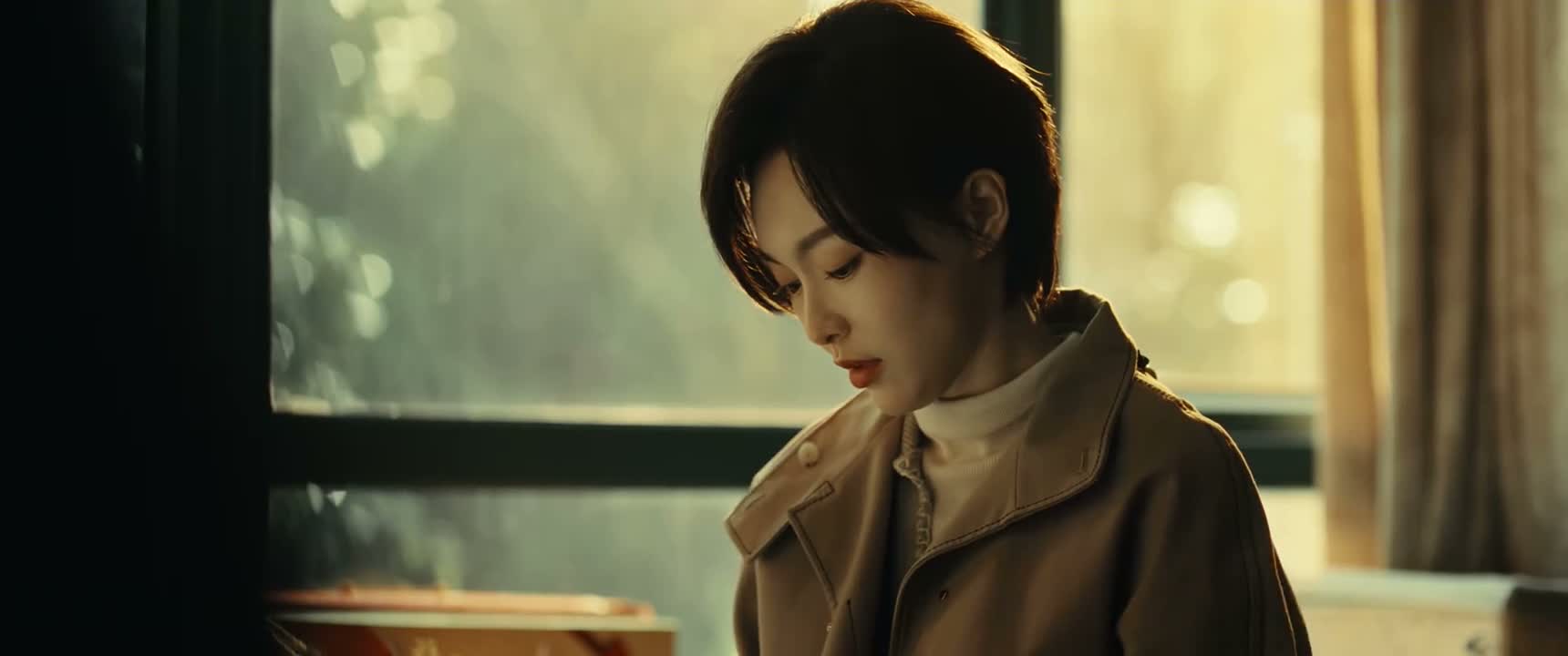
“I'm thinking from your perspective.”