江宏海这个人怪得很 独来独往惯了
“Jiang Honghai is a strange one. He's used to keeping to himself.”
THE DIALOGUE REEL
除了家和工地 你知道江宏海 还有什么落脚地儿吗
“Besides home and construction sites, does Jiang Honghai have any other places to stay?”
江宏海 这个人 怪得很 独来独往惯了
“Jiang Honghai is a strange one. He's used to keeping to himself.”
不过我有一个堆东西的仓库
“But I have a storage warehouse.”
Direct spoken expression in this communicative setting.
In relational Chinese society, individuals who deliberately detach from social circles and act alone are often viewed with curiosity or suspicion as unusual outsiders.
LEARNING CHUNKS & PARTICLES
extremely odd; very peculiar
A spoken pattern combining an adjective with '得很' to emphasize an extreme degree.
a loner; coming and going alone
A set four-character phrase describing someone who keeps strictly to themselves and avoids social crowds.
Indicates that this solitary pattern has already become an established habit over time.
VOCABULARY & EXPRESSIONS
Parallel Spoken Cinema Scenes (语义近邻切片)

“Jiang Honghai can't just vanish into thin air.”

“Focus on finding Jiang Honghai. Yes, sir. I'm on it.”

“See if Jiang Honghai was caught by the camera.”

“if Jiang Honghai returned home tonight.”
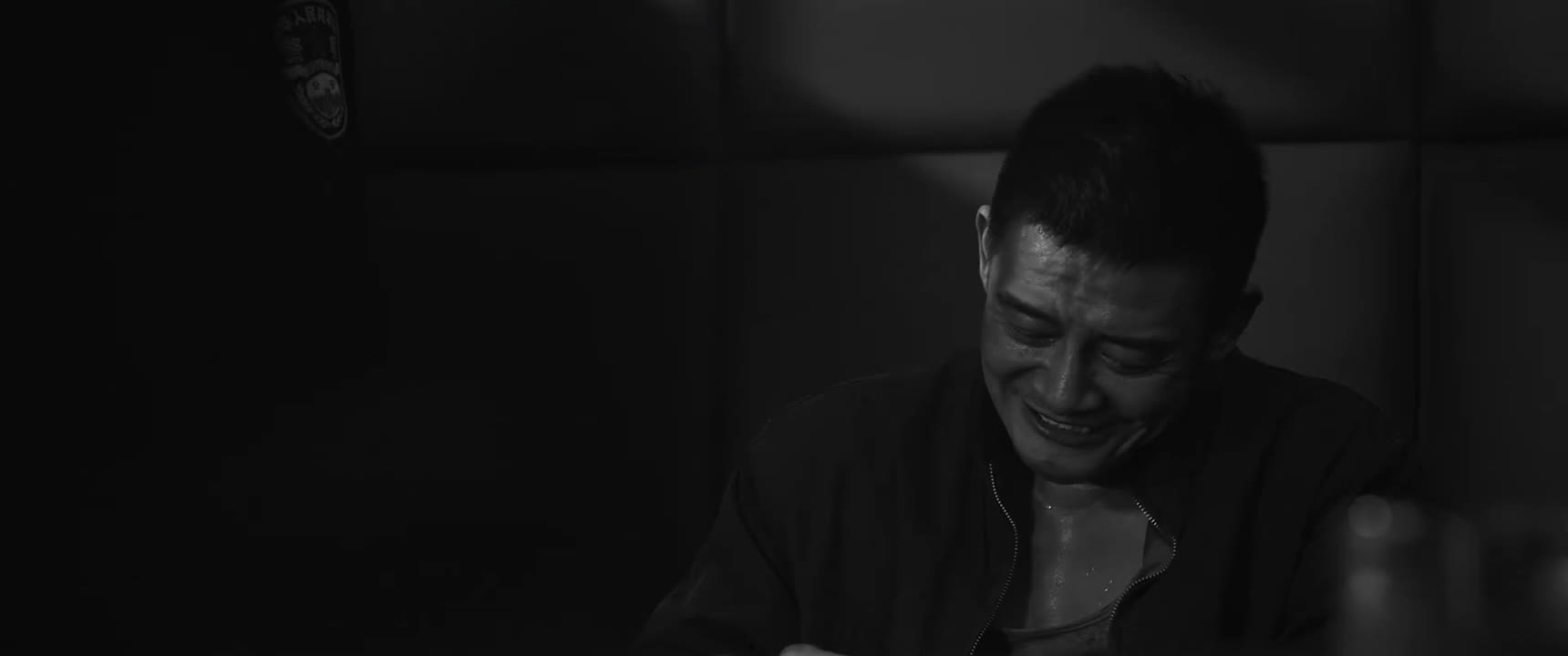
“Why protect Jiang Honghai?”
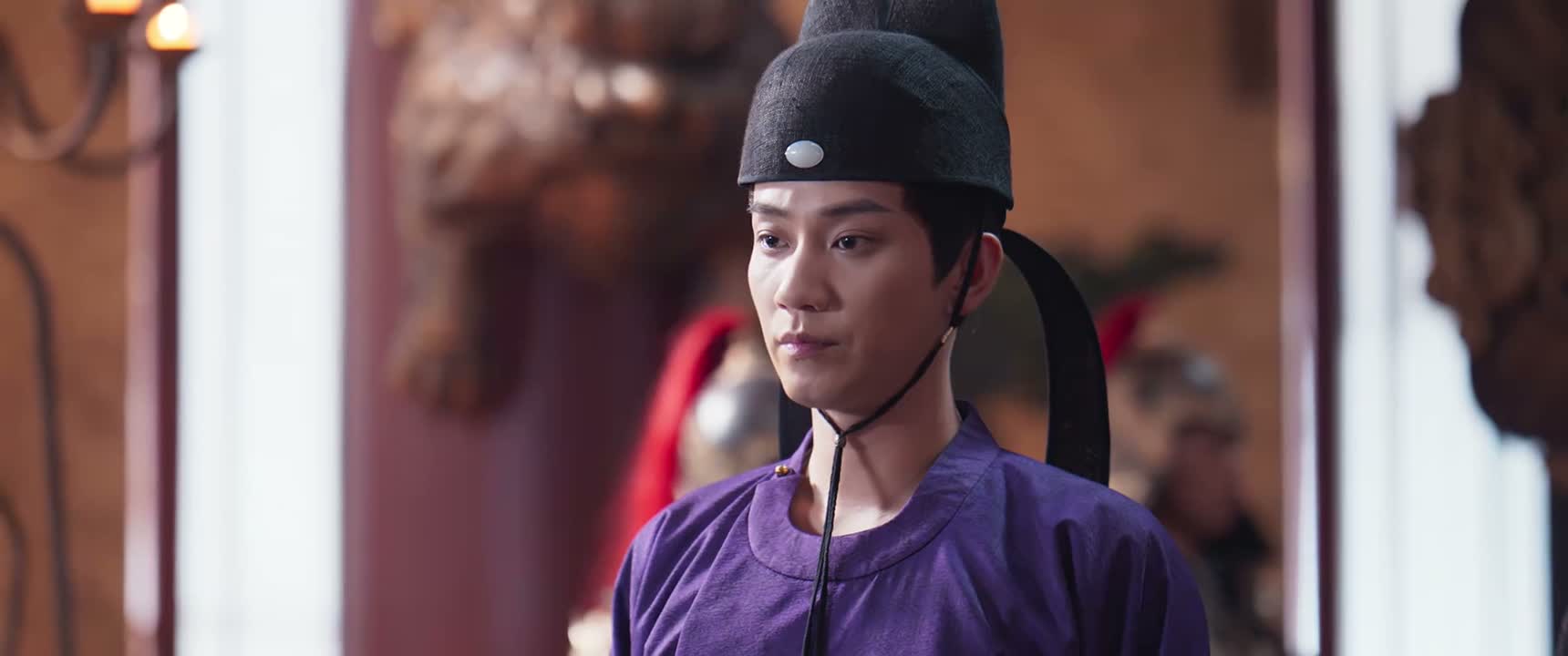
“Jiang Daohai dared not search openly,”