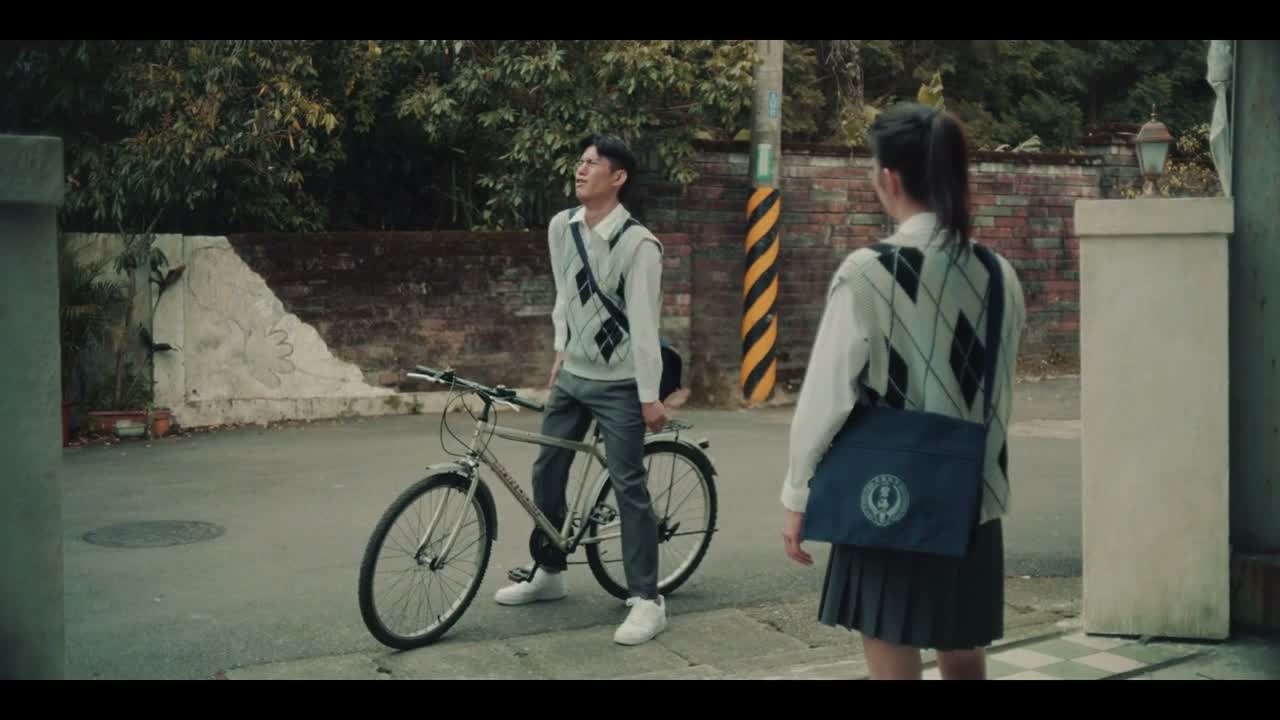
我认不认识 你别问了行吗
“Do I know her? Can you stop asking?”
THE DIALOGUE REEL
那是你同学吗
“Is she your classmate?”
我认 不认识 你别问了行吗
“Do I know her? Can you stop asking?”
行 我不问了
“Fine, I'll stop.”
“It is none of your business, back off.”
While '行吗' literally asks for consent, paired with an irritated imperative it signals that personal boundaries have been crossed and further questioning will trigger overt conflict.
LEARNING CHUNKS & PARTICLES
stop asking
A direct imperative to cut off further inquiry into a sensitive matter.
is that okay? / can you please?
Appended to an imperative; in an irritated tone, it functions as an exasperated demand rather than a polite request.
Forms the tag question '行吗', functioning rhetorically to pressure compliance.
VOCABULARY & EXPRESSIONS
Parallel Spoken Cinema Scenes (语义近邻切片)

“Don't recognize it? Money.”

“You don't know her? Never heard of her.”

“I don't recognize them. Unfamiliar faces.”
“Even my dad can't tell. How can you?”