来快快快 上车 上车
“Come on. Hurry up. Get in! Get in!”
THE DIALOGUE REEL
立刻改变行动 是
“Adjust the operation at once! Yes!”
来 快快快 上车 上车
“Come on. Hurry up. Get in! Get in!”
来
“Come on!”
Direct spoken expression in this communicative setting.
Tripling single-syllable adjectives or verbs like '快' is a natural spoken reflex in Chinese to signal extreme urgency and override hesitation.
LEARNING CHUNKS & PARTICLES
hurry up; quickly
A repeated colloquial imperative used to spur immediate physical action in urgent situations.
get in the car; board the vehicle
A common directional verb-object phrase used for boarding any wheeled transport.
VOCABULARY & EXPRESSIONS
Parallel Spoken Cinema Scenes (语义近邻切片)

“Come on, come on! Get on. Let them wheel you back.”

“Well, perfect timing. Li Juan, get in.”
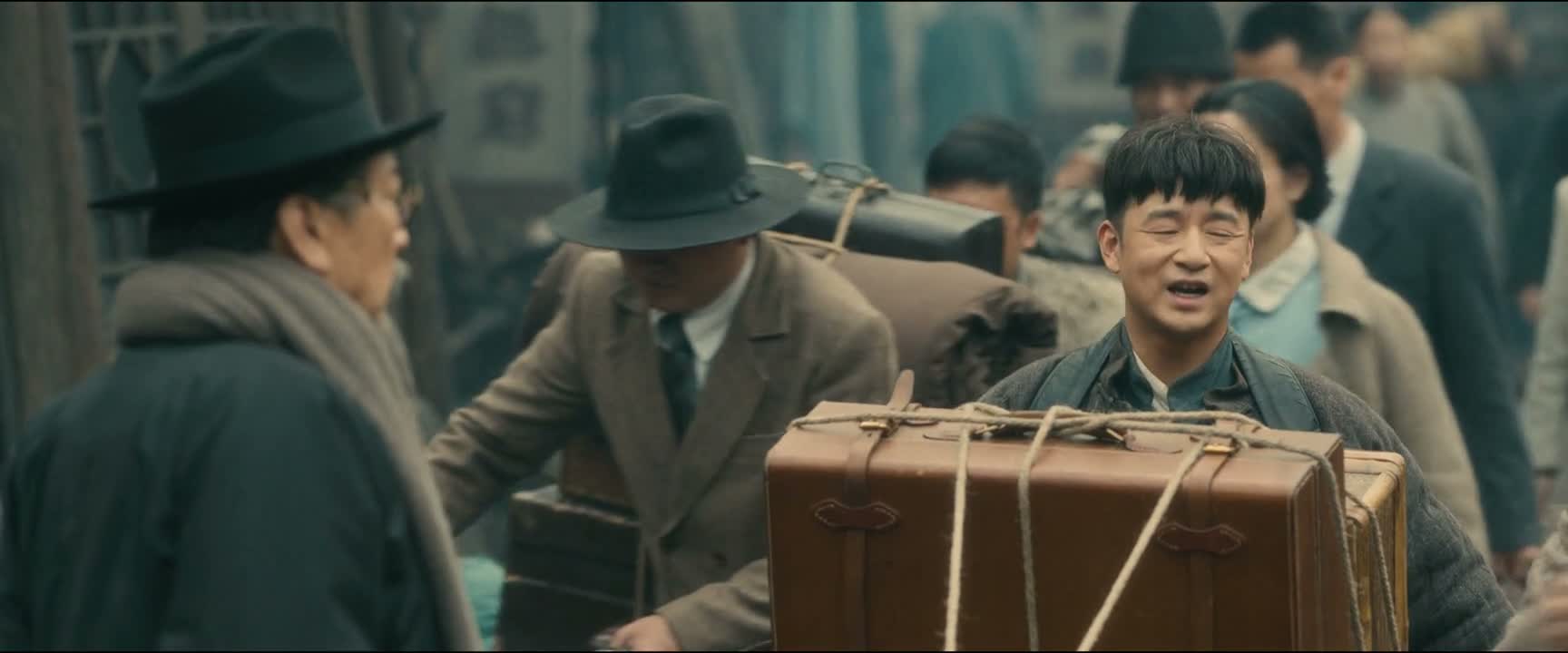
“Please get in, let's go. If he tells you to sit, just sit.”

“Get in quickly. The ship won't wait for you.”

“Be good and get on the bike. Xiaolan, get on. Sit in the front. No one will dare bully you.”