我怎么会遇上你这么烦人的房客
“How did I end up with such an annoying tenant?”
THE DIALOGUE REEL
“I'm afraid you'll poison me. Eating from the same plate is safer.”
我 怎么会遇上 你这么 烦人 的房客
“How did I end up with such an annoying tenant?”
“How did I end up with such a generous landlady”
“You drive me crazy, but I actually enjoy having you around.”
In Chinese social and romantic dynamics, playful mutual insults and theatrical complaints often signal emotional safety, intimacy, and growing romantic chemistry.
LEARNING CHUNKS & PARTICLES
how did I end up running into / encountering
Rhetorical question framing used to express disbelief or theatrical lamentation about encountering someone.
so annoying; so bothersome
Frequently used affectionately or teasingly between close friends, couples, or bickering roommates.
VOCABULARY & EXPRESSIONS
Parallel Spoken Cinema Scenes (语义近邻切片)

“How did I end up with such a generous landlady”

“(Why do I always end up running into this landlord?)”

“Why would I put you in a tough spot”
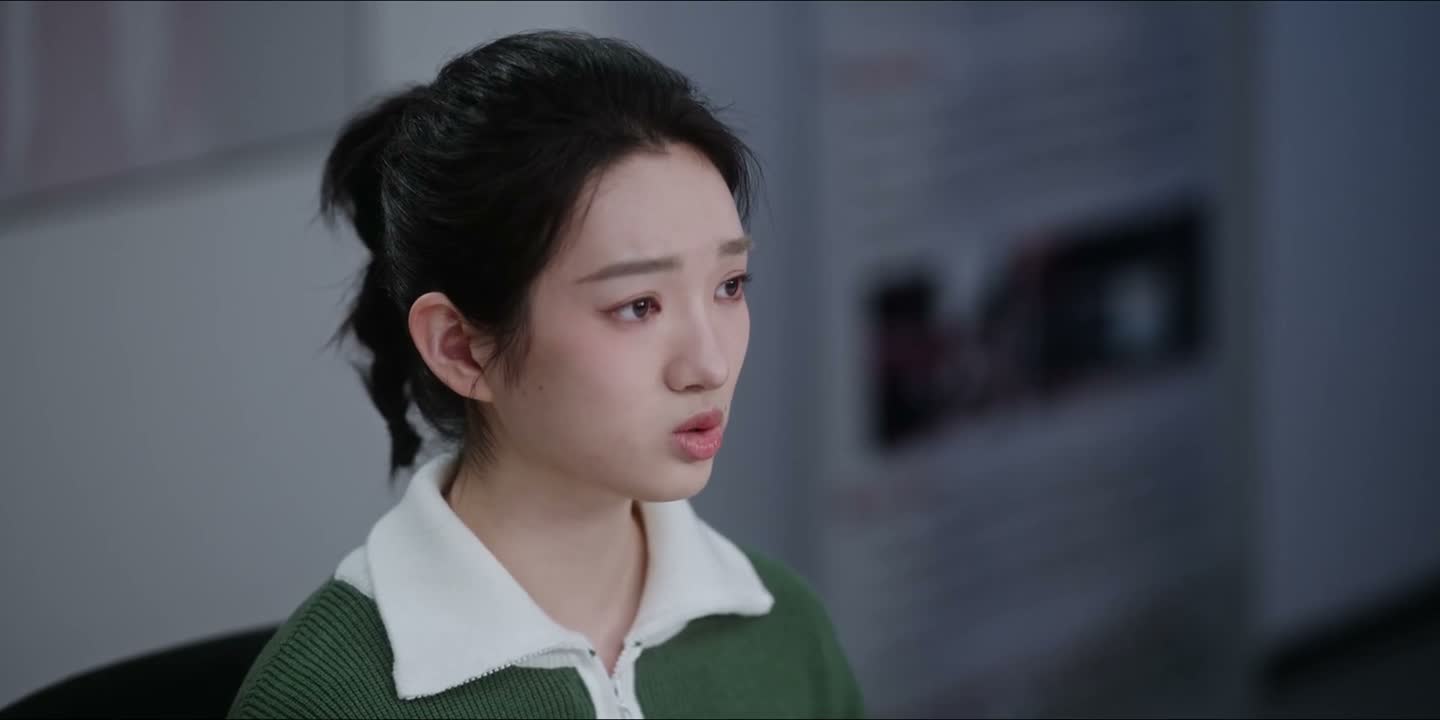
“by a guest checking in.”
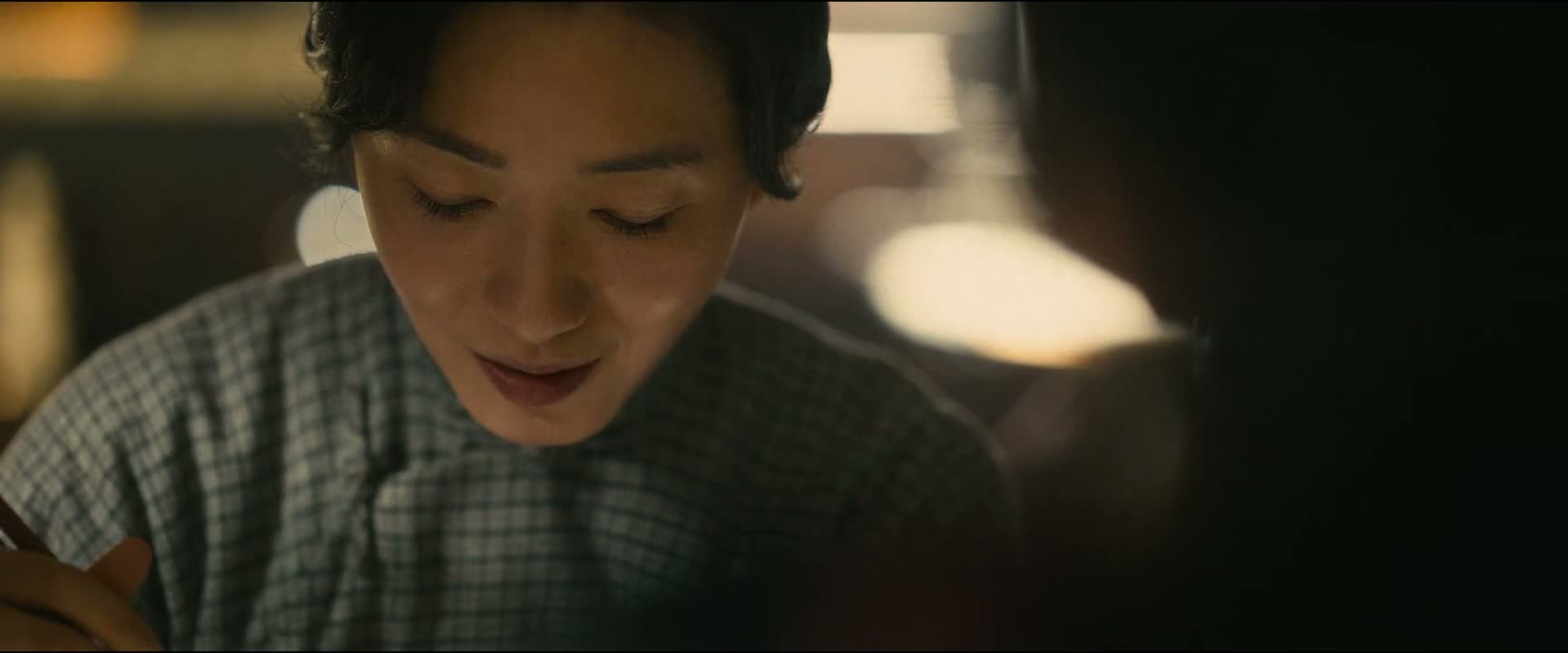
“why on earth wouldn't they?”

“I think you're in serious trouble. I've always been trouble for others.”