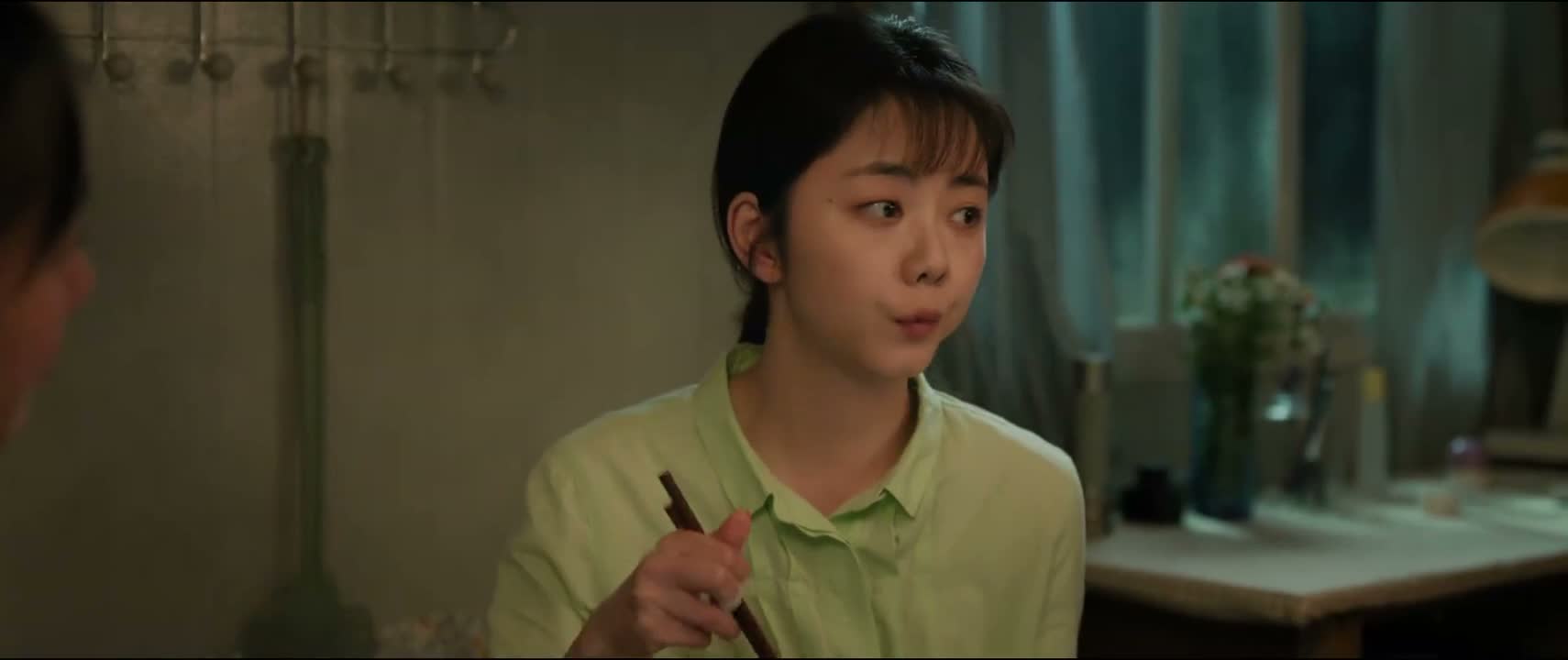
《The Heir》 S1·E12 (08:41)
HSK 4
dōu shì jiàn bù dé guāng de tiān yá lún luò rén
都是见不得光的天涯沦落人
“We are both outcasts.”
《The Heir》
S1·E12
TIMECODE: 08:41
·
1080P MASTER AUDIO
THE DIALOGUE REEL
[-1] PREVIOUS TURN
nǐ shì wáng mìng táo fàn
你是亡命逃犯
“You are a fugitive on the run.”
dōu shì jiàn bù dé guāng de tiān yá lún luò rén
CURRENT FOCUS
都是 见不得光 的 天涯沦落人
“We are both outcasts.”
[+1] FOLLOW-UP TURN
ruò fēi qī shuài hé jiāng jūn shōu liú
若非戚帅和将军收留
“If Marshal Qi and General didn't take us in,”
Subtitles synced to millisecond timecode
Browse Show Clips →
Scene:
Historical & Court
Function:
BONDING OVER SHARED ADVERSITY
Tone:
SOMBER AND EMPATHETIC
Emotion:
RESIGNATION
WHAT THEY REALLY MEAN (PRAGMATIC SUBTEXT)
“Don't look down on me or act high and mighty; we are both in the exact same ditch.”
💡 Cultural Insight: Shared Fate in Adversity (Tongbing Xianglian)
Chinese cultural narratives often emphasize mutual empathy between societal outcasts, invoking classical poetic tropes to foster trust.
INTENT TAGS:
#empathy
#bonding
#self_deprecation
#solidarity
🧩
2 CHUNKS · 0 PARTICLES
LEARNING CHUNKS & PARTICLES
见不得光
SPOKEN CHUNK
unable to be made public; shady; kept in the dark
Used idiomatically to describe things or people that must hide from public or legal scrutiny.
天涯沦落人
SPOKEN CHUNK
fellow sufferers wandering far from home; down-and-out outcasts
A literary expression derived from Bai Juyi's poetry, commonly used to bond with someone over shared misfortune.
🏮
2 EXPR · 0 GRAMMAR
VOCABULARY & EXPRESSIONS
COLLOQUIAL EXPRESSIONS:
CROSS-CINEMA CORPUS BOARD · PARALLEL SCENES
EXPLORE BY SEMANTIC SIMILARITY
Parallel Spoken Cinema Scenes (语义近邻切片)
《The Heir》 S1·E12 (08:41) · Authentic Cinema Dialogue Corpus