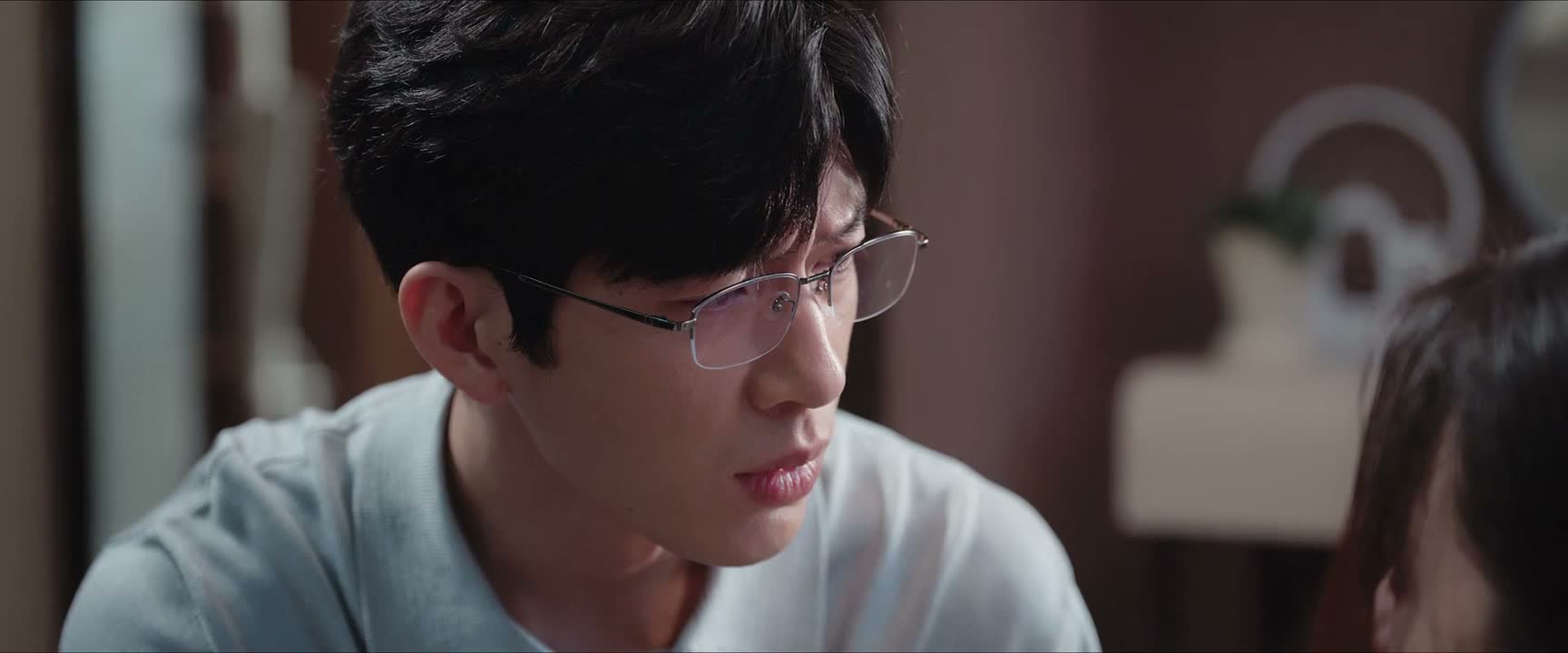
《Born to Be Alive》 S1·E38 (12:04)
HSK 2
shì wǒ de cuò ma
是我的错吗
“Is this my fault?”
《Born to Be Alive》
S1·E38
TIMECODE: 12:04
·
1080P MASTER AUDIO
THE DIALOGUE REEL
[-1] PREVIOUS TURN
qù ba
去吧
“Go ahead.”
shì wǒ de cuò ma
CURRENT FOCUS
是我的错吗
“Is this my fault?”
[+1] FOLLOW-UP TURN
shì bú shì wǒ
是不是我
“Did I”
Subtitles synced to millisecond timecode
Browse Show Clips →
Scene:
Crisis & Conflict
Function:
SEEKING CLARIFICATION
Tone:
INCREDULOUS
Emotion:
CONFUSION
WHAT THEY REALLY MEAN (PRAGMATIC SUBTEXT)
“Why are you treating me like I am the one who messed up?”
💡 Cultural Insight: Rhetorical Self-Defense
Asking directly whether something is one's fault often functions rhetorically to express perceived unfairness or shock at an accusation.
INTENT TAGS:
#self_defense
#questioning
#clarification
#protest
🧩
1 CHUNKS · 1 PARTICLES
LEARNING CHUNKS & PARTICLES
是我的错吗
SPOKEN CHUNK
Is it my fault?
A direct rhetorical or genuine question used when disputing or clarifying fault.
Modal Particle「吗」 (ma)
CHANGE OF STATE
Turns the statement into a direct question, prompting the listener to confirm or refute.
🏮
1 EXPR · 0 GRAMMAR
VOCABULARY & EXPRESSIONS
COLLOQUIAL EXPRESSIONS:
CROSS-CINEMA CORPUS BOARD · PARALLEL SCENES
EXPLORE BY SEMANTIC SIMILARITY
Parallel Spoken Cinema Scenes (语义近邻切片)



《Born to Be Alive》 S1·E38 (12:04) · Authentic Cinema Dialogue Corpus