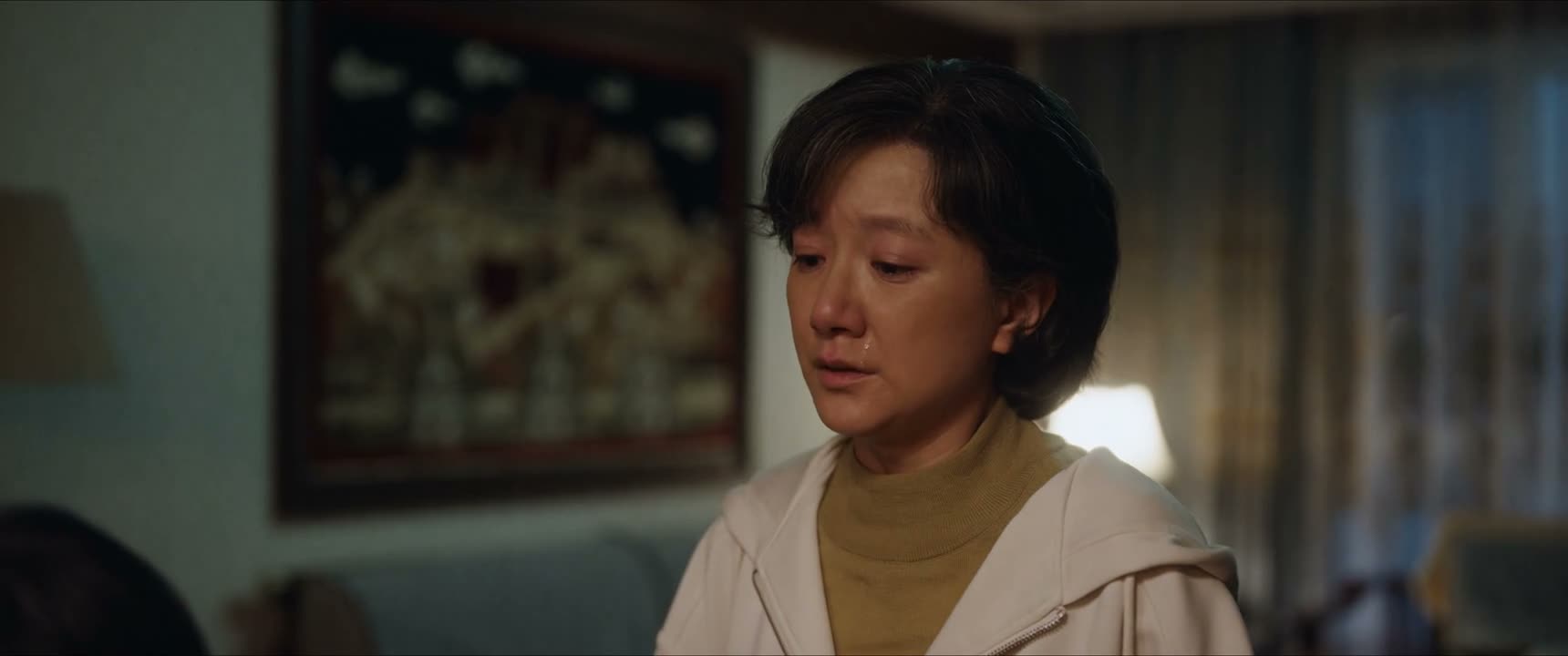
《Hold A Court Now》 S1·E2 (38:20)
HSK 5
zhè shì ér néng guài wǒ ma
这事儿能怪我吗
“How is this my fault?”
《Hold A Court Now》
S1·E2
TIMECODE: 38:20
·
1080P MASTER AUDIO
THE DIALOGUE REEL
[-1] PREVIOUS TURN
wǒ bà mā xiàn zài shì xí fù zài ér zi zài xí fù méi le ér zi yě bú yào le
我爸妈现在是媳妇在儿子在 媳妇没了儿子也不要了
“Right now it's wife first, son second. If the wife's gone, the son's out too.”
zhè shì ér néng guài wǒ ma
CURRENT FOCUS
这事儿 能怪我吗
“How is this my fault?”
[+1] FOLLOW-UP TURN
yuàn shuí
怨谁
“Then whose fault is it?”
Subtitles synced to millisecond timecode
Browse Show Clips →
Scene:
Family & Home
Function:
DEFENDING SELF
Tone:
INDIGNANT
Emotion:
FRUSTRATION
WHAT THEY REALLY MEAN (PRAGMATIC SUBTEXT)
“Don't pin this on me; it's not my fault!”
💡 Cultural Insight: In-law and Generational Friction
Chinese domestic conflicts often involve parental bias toward a daughter-in-law or son, complicating accountability within the family unit.
INTENT TAGS:
#self_defense
#denial
#deflection
#protest
🧩
1 CHUNKS · 1 PARTICLES
LEARNING CHUNKS & PARTICLES
能怪我吗
SPOKEN CHUNK
Can you blame me? / Is it my fault?
A rhetorical question used to vehemently deflect blame and protest unfair accusations.
Modal Particle「吗」 (ma)
CHANGE OF STATE
Marks a rhetorical question to strengthen the speaker's denial of responsibility.
🏮
1 EXPR · 1 GRAMMAR
VOCABULARY & EXPRESSIONS
COLLOQUIAL EXPRESSIONS:
GRAMMAR BLUEPRINTS:
CROSS-CINEMA CORPUS BOARD · PARALLEL SCENES
EXPLORE BY SEMANTIC SIMILARITY
Parallel Spoken Cinema Scenes (语义近邻切片)

《Hold A Court Now》 S1·E2 (38:20) · Authentic Cinema Dialogue Corpus