MC
MandarinClips Cinema Corpus
《Born to Be Alive》 S1·E38 (04:18) HSK 4
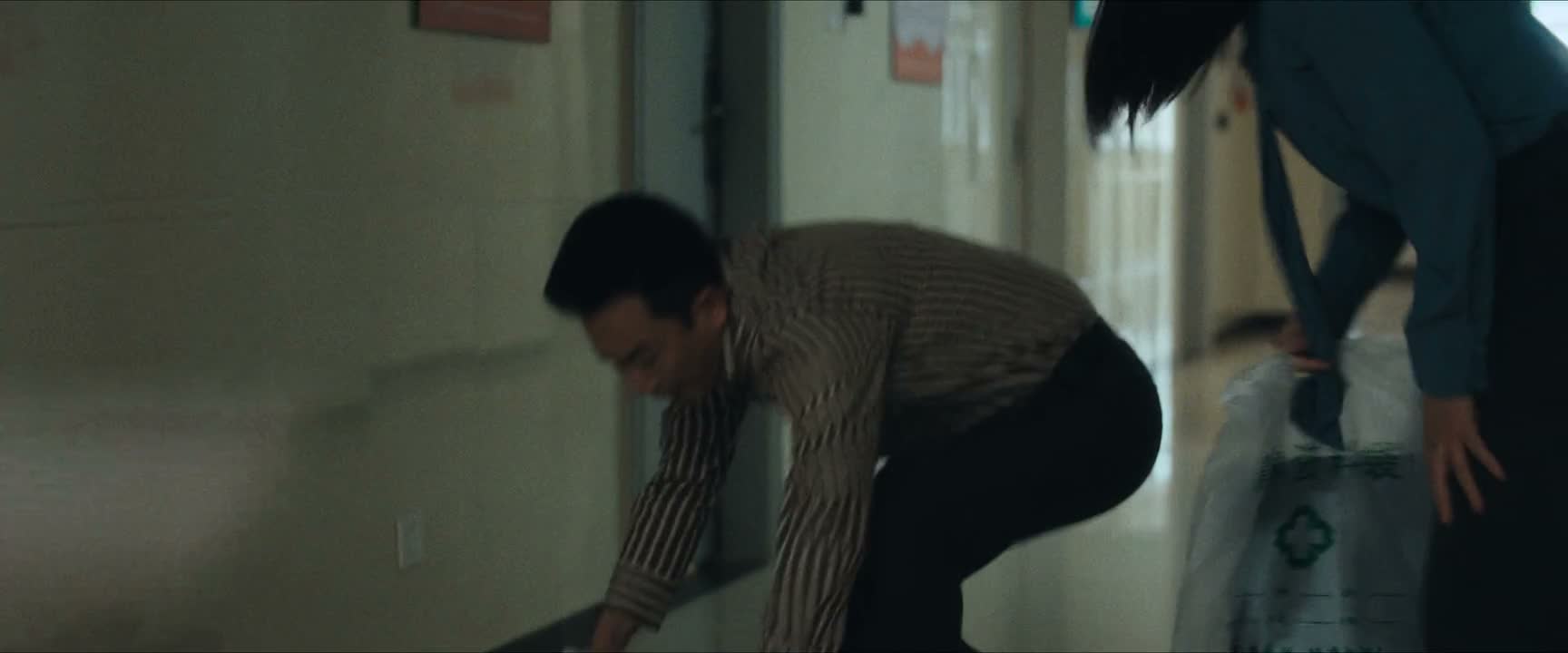
zěn me le zhè zěn me le dà fū lái lái lái

怎么了这 怎么了 大夫 来 来 来

“What happened? What happened? Doctor, come here!”

《Born to Be Alive》 S1·E38
TIMECODE: 04:18 · 1080P MASTER AUDIO

THE DIALOGUE REEL

1+1+1 SPOKEN CONTINUITY
[-1] PREVIOUS TURN bái jí guò lái kuài guò lái jiě fū dà fū zhè shuí ya dà fū

白及 过来 快过来 姐夫 大夫 这谁呀 大夫

“Bai Ji! Come here, quick! Yunfei? Doctor! Who is this? Doctor!”

zěn me le zhè zěn me le dà fū lái lái lái CURRENT FOCUS

怎么了这 怎么了 大夫 来 来 来

“What happened? What happened? Doctor, come here!”

[+1] FOLLOW-UP TURN zhè zěn me nòng de ya kuài kuài kuài màn diǎn màn diǎn

“How did this happen? Hurry, hurry! Easy, easy!”

Subtitles synced to millisecond timecode Browse Show Clips →
Scene: Medical & Health
Function: DEMANDING ASSISTANCE
Tone: URGENT
Emotion: ANXIETY
WHAT THEY REALLY MEAN (PRAGMATIC SUBTEXT)

Direct spoken expression in this communicative setting.

💡 Cultural Insight: Repetitive Imperatives in Emergencies

In spoken Chinese, rapidly repeating monosyllabic action verbs like '来' or '快' conveys acute urgency without sounding impolite.

INTENT TAGS: #emergency #summoning_help #urgency #concern
🧩

LEARNING CHUNKS & PARTICLES

2 CHUNKS · 0 PARTICLES
怎么了这是 SPOKEN CHUNK

what on earth happened here?

A very common colloquial inversion of '这是怎么了' used when arriving at a chaotic or concerning scene.

来来来 SPOKEN CHUNK

come on; over here; step right up

Repeated to urgently guide physical movement or prompt immediate action.

🏮

VOCABULARY & EXPRESSIONS

1 EXPR · 0 GRAMMAR
COLLOQUIAL EXPRESSIONS:
CROSS-CINEMA CORPUS BOARD · PARALLEL SCENES

Parallel Spoken Cinema Scenes (语义近邻切片)

EXPLORE BY SEMANTIC SIMILARITY
《Born to Be Alive》 S1·E38 (04:18) · Authentic Cinema Dialogue Corpus