怎么了这
zěn me le zhèCommon spoken expression used by native Chinese speakers in daily life.
[Scene: 其他场景]
(6 clips) 00:02
 00:03
(怎么了) ── Previous context
“Don't come any closer! What's going on? I... I'm Hu Wenjing. Don't come any closer!”
 00:03
 00:03
(王萍 是我 看我 是我 胡文静) ── Previous context
“It's okay. -What happened? -Nothing. It's fine. It's okay.”
 00:03
(你们不许进去 谁敢动 干什么 这是我们的房子) ── Previous context
“What are you doing? This is our house. What's going on? No one can enter.”
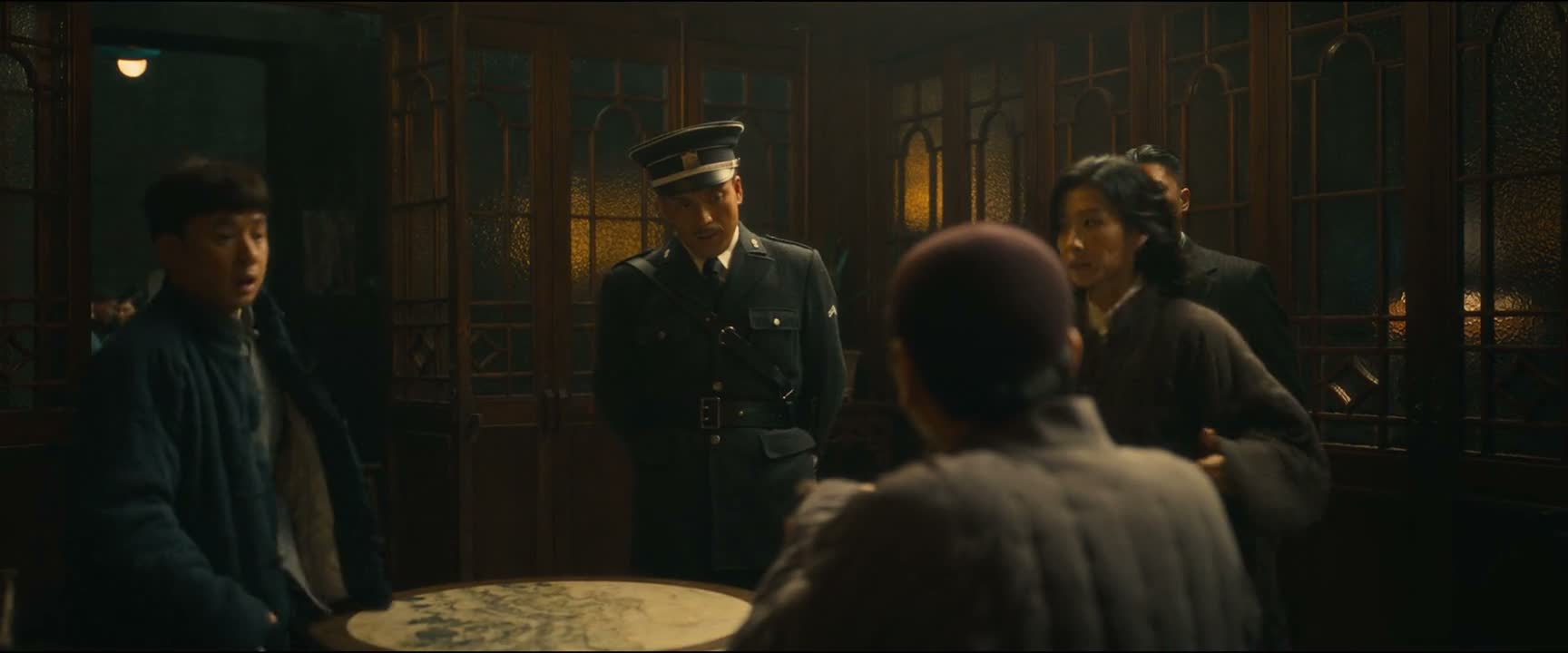 00:02
[Scene: 其他场景]
(2 clips) 00:03
 00:03
(来 试试啊 来来来 夏晓兰 慢点 慢点 慢点) ── Previous context
“Liu Fen! What's going on? Calm down. Calm down. Get back here!”
[Scene: 其他场景]
(2 clips) 00:03
(让一下 让一下 怎么了 不好意思 让一下) ── Previous context
“What's going on? Your gallstones are acting up again?”
 00:02
(白及 过来 快过来 姐夫 大夫 这谁呀 大夫) ── Previous context
“What happened? What happened? Doctor, come here!”
[Scene: 职场工作]
(2 clips) 00:02
 00:02
[Scene: 历史宫廷]
(1 clips) 00:03
[Scene: 社交聚会]
(1 clips) 00:02
📌 没事
→Nuance: 核心意图皆为安抚情绪询问情况
📌 你赶紧
→Nuance: 意图相同,用“你瞧瞧”更口语化
📌 不好意思
→Nuance: 询问并安抚的交际意图一致
📌 不许
→Nuance: 同向近义词根配对: [不能 ↔ 不许]
📌 一定得
→Nuance: 同向近义词根配对: [不要紧 ↔ 没什么]
📌 怎么回事
→Nuance: 表达惊讶与询问状况一致
📌 千万不要
→Nuance: 核心交际意图皆为劝人消气
📌 赶紧
→Nuance: 意图相同,用“你瞧瞧”更口语化
📌 怎么了
→Nuance: 意图相同,用“你瞧瞧”更口语化