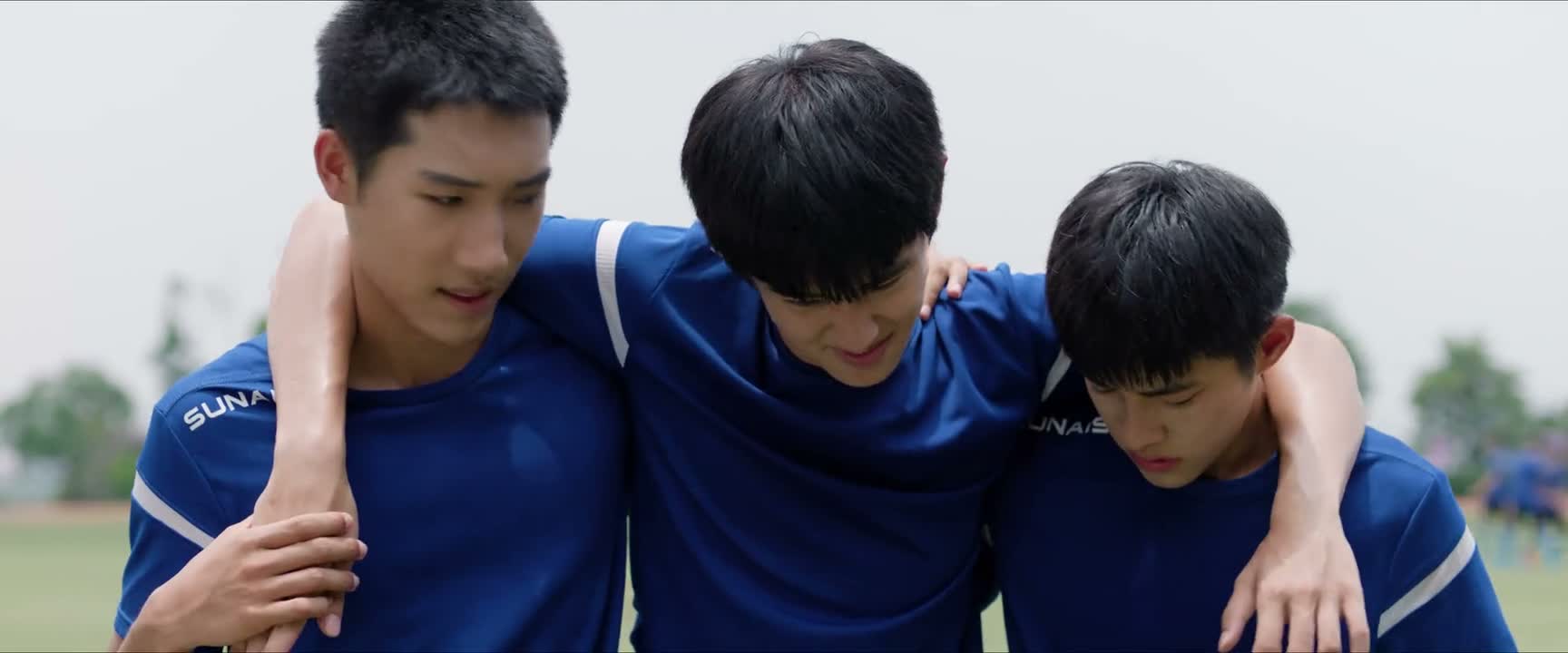
没事没事 怎么了这是 没事 不要紧 没事
“It's okay. -What happened? -Nothing. It's fine. It's okay.”
THE DIALOGUE REEL
王萍 是我 看我 是我 胡文静
“Wang Ping. It's me. Look at me! It's me, Hu Wenjing.”
没事没事 怎么了这是 没事 不要紧 没事
“It's okay. -What happened? -Nothing. It's fine. It's okay.”
胡文静 是胡文静 胡文静 胡文静 没事没事
“Hu Wenjing. It's Hu Wenjing. Hu Wenjing. Hu Wenjing. It's okay.”
Direct spoken expression in this communicative setting.
In Chinese communicative culture, rapid repetition of negative-polarity comfort phrases like 'meishi meishi' acts as an emotional sedative to quickly de-escalate acute panic before addressing practical needs.
LEARNING CHUNKS & PARTICLES
it's okay; no problem
Frequently doubled ('没事没事') in urgent situations to quickly soothe someone who is panicking or hurt.
what happened here?
A spoken inversion of '这是怎么了' used to express startled concern upon encountering an unexpected, distressing scene.
it's not serious; don't worry
Used to minimize perceived danger or injury to keep the other person from panicking.
Marks an unexpected change of state or situation prompting immediate inquiry in '怎么了'.
VOCABULARY & EXPRESSIONS
Parallel Spoken Cinema Scenes (语义近邻切片)

“It's okay. What's going on? Calm down!”

“I'm... I'm fine. How did it get this serious?”

“Is everything okay? Yeah.”

“How is he? You're fine? No one's hurt, right? How is everything?”
“Yeah, but you must be careful.”

“I'm sorry. You're so careless. I'm fine. Go away.”