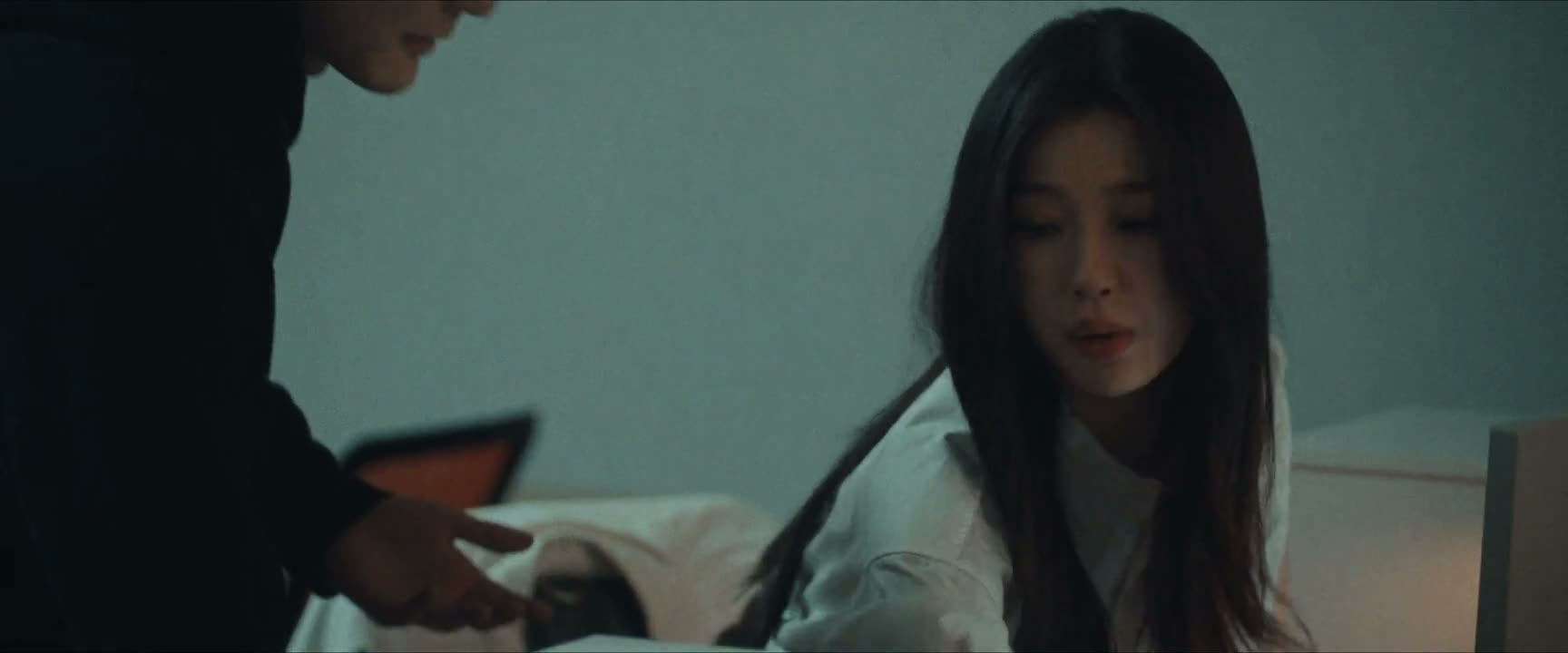
《The Knockout》 S1·E22 (32:42)
HSK 2
bù hǎo yì sī zěn me huí shì méi shì méi shì ná zǒu
不好意思 怎么回事 没事没事 拿走
“I'm sorry. You're so careless. I'm fine. Go away.”
《The Knockout》
S1·E22
TIMECODE: 32:42
·
1080P MASTER AUDIO
THE DIALOGUE REEL
[-1] PREVIOUS TURN
hē shuǐ zhè xià
喝水 这下
“-Have some water. -We...”
bù hǎo yì sī zěn me huí shì méi shì méi shì ná zǒu
CURRENT FOCUS
不好意思 怎么回事 没事没事 拿走
“I'm sorry. You're so careless. I'm fine. Go away.”
[+1] FOLLOW-UP TURN
bù bù bù méi shì méi shì
不不不 没事没事
“No, it's okay.”
Subtitles synced to millisecond timecode
Browse Show Clips →
Scene:
Daily Life
Function:
HANDLING MISHAP
Tone:
HURRIED
Emotion:
EMBARRASSMENT
WHAT THEY REALLY MEAN (PRAGMATIC SUBTEXT)
“Don't make a big deal out of this, just clean it up quickly.”
💡 Cultural Insight: Polite Defusal via Repetition
Repeating phrases like 'meishi meishi' serves to quickly de-escalate social awkwardness and maintain smooth interpersonal harmony after a minor blunder.
INTENT TAGS:
#apologizing
#defusing
#reassurance
#flustered
🧩
3 CHUNKS · 0 PARTICLES
LEARNING CHUNKS & PARTICLES
不好意思
SPOKEN CHUNK
excuse me / sorry
The most common polite formula for minor mistakes, interruptions, or embarrassments.
怎么回事
SPOKEN CHUNK
what happened? / what's going on?
Used to ask for clarification when an unexpected disturbance or mishap occurs.
没事没事
SPOKEN CHUNK
no problem / it's fine
Repeated to rapidly soothe tension or brush off an awkward situation.
🏮
4 EXPR · 0 GRAMMAR
VOCABULARY & EXPRESSIONS
COLLOQUIAL EXPRESSIONS:
CROSS-CINEMA CORPUS BOARD · PARALLEL SCENES
EXPLORE BY SEMANTIC SIMILARITY
Parallel Spoken Cinema Scenes (语义近邻切片)

《The Knockout》 S1·E22 (32:42) · Authentic Cinema Dialogue Corpus