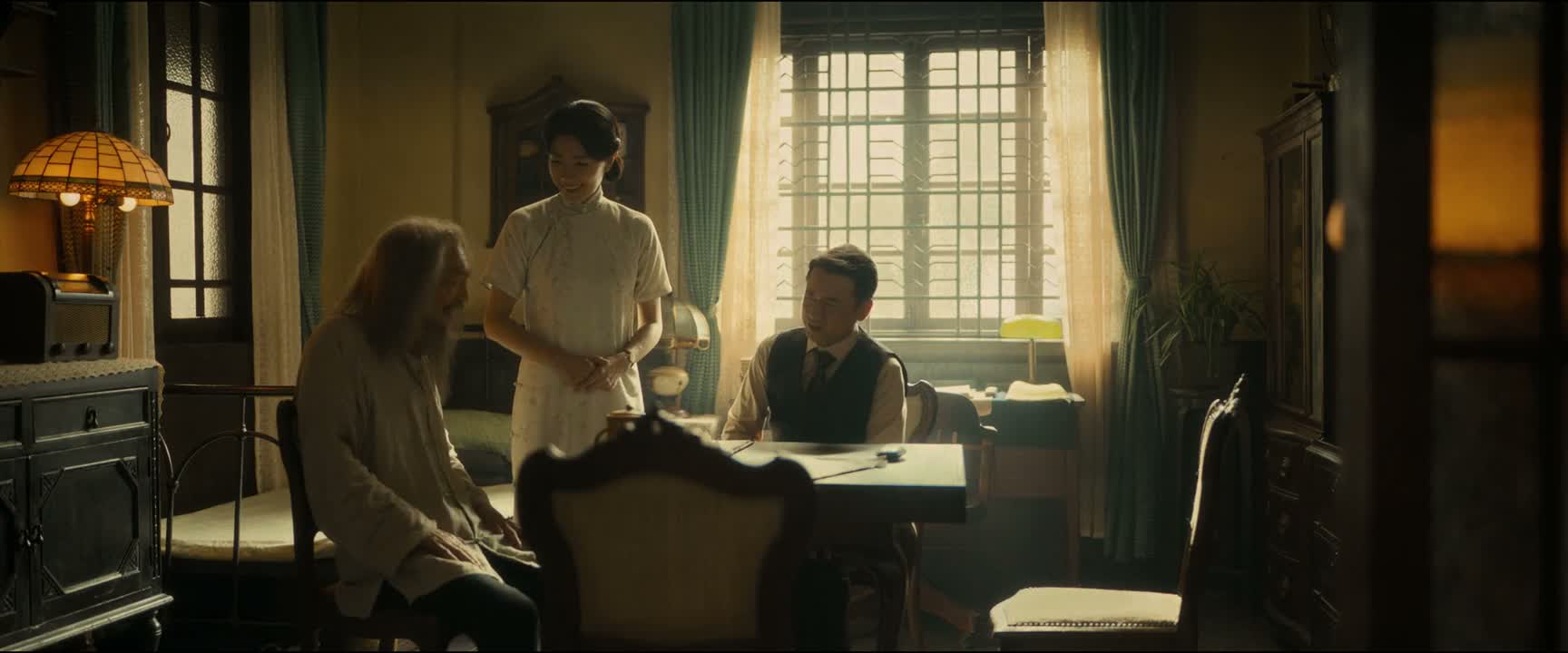
发生什么事了 太爷 怎么了这是
“what happened? Old Master, what's going on?”
THE DIALOGUE REEL
太爷
“Old Master,”
发生什么事了 太 爷 怎么了这是
“what happened? Old Master, what's going on?”
这么说 我怀疑你是抗日分子 你不用怀疑
“So, I suspect you're an anti-Japanese element. You don't need to suspect.”
Direct spoken expression in this communicative setting.
Addressing an elder as 'Taiye' (great-grandfather/clan patriarch) reflects traditional hierarchical respect in extended Chinese families.
LEARNING CHUNKS & PARTICLES
what happened?; what is going on?
Standard conversational chunk used to ask about an unexpected incident or disturbance.
what is going on here?
A colloquial northern inversion of '这是怎么了', commonly used to show spontaneous surprise upon witnessing an odd scene.
Marks the completion of an event or realization of a new situation in the questions.
VOCABULARY & EXPRESSIONS
Parallel Spoken Cinema Scenes (语义近邻切片)
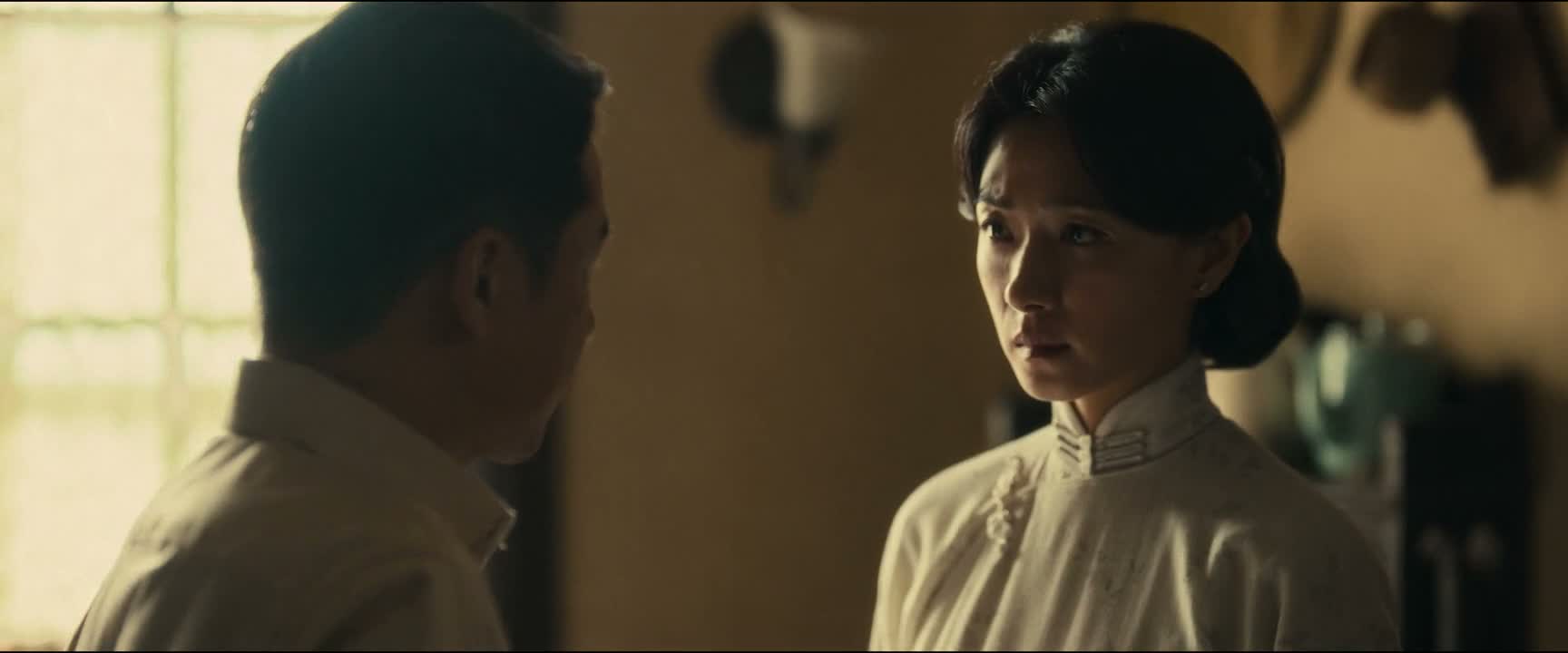
“Master is almost fully recovered.”
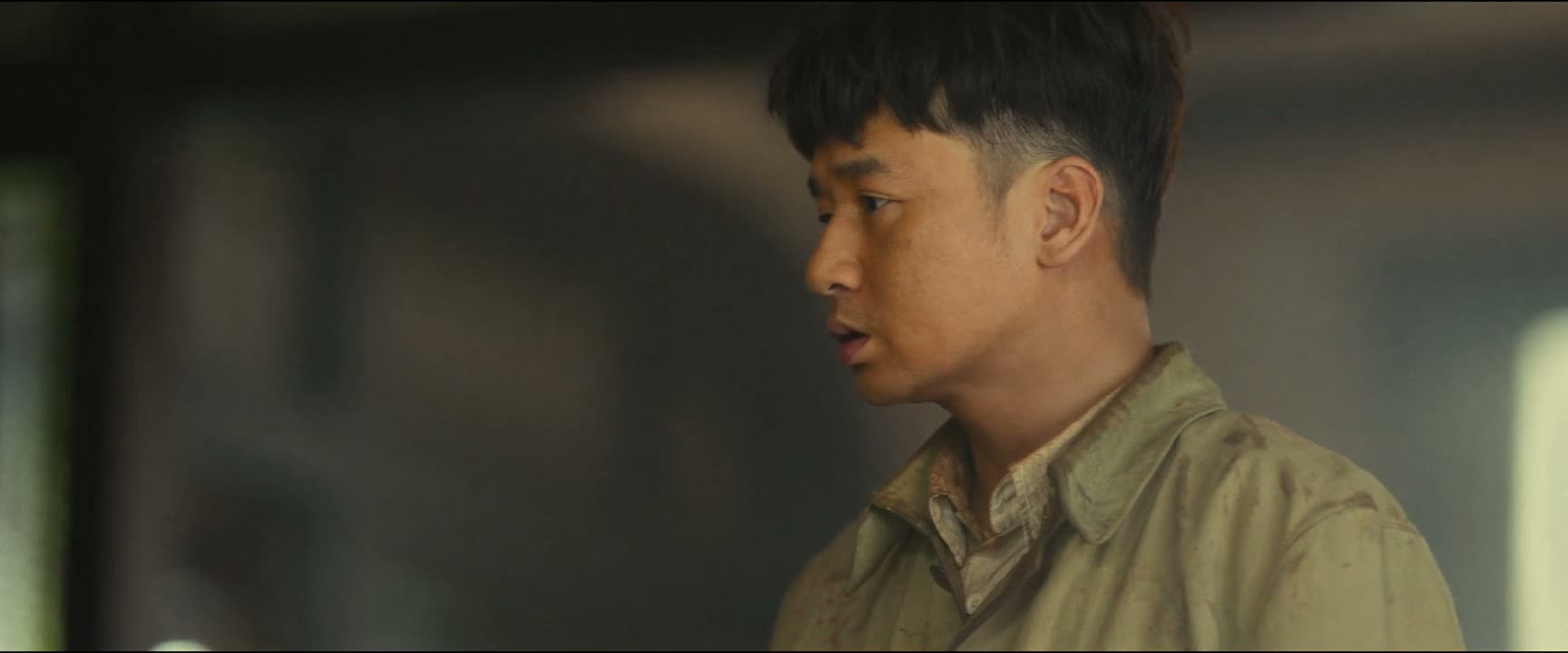
“Grandpa, what is not important? Skip to the later part. If there's no beginning,”
“Master, don't fall. I'm fine, you... Master!”
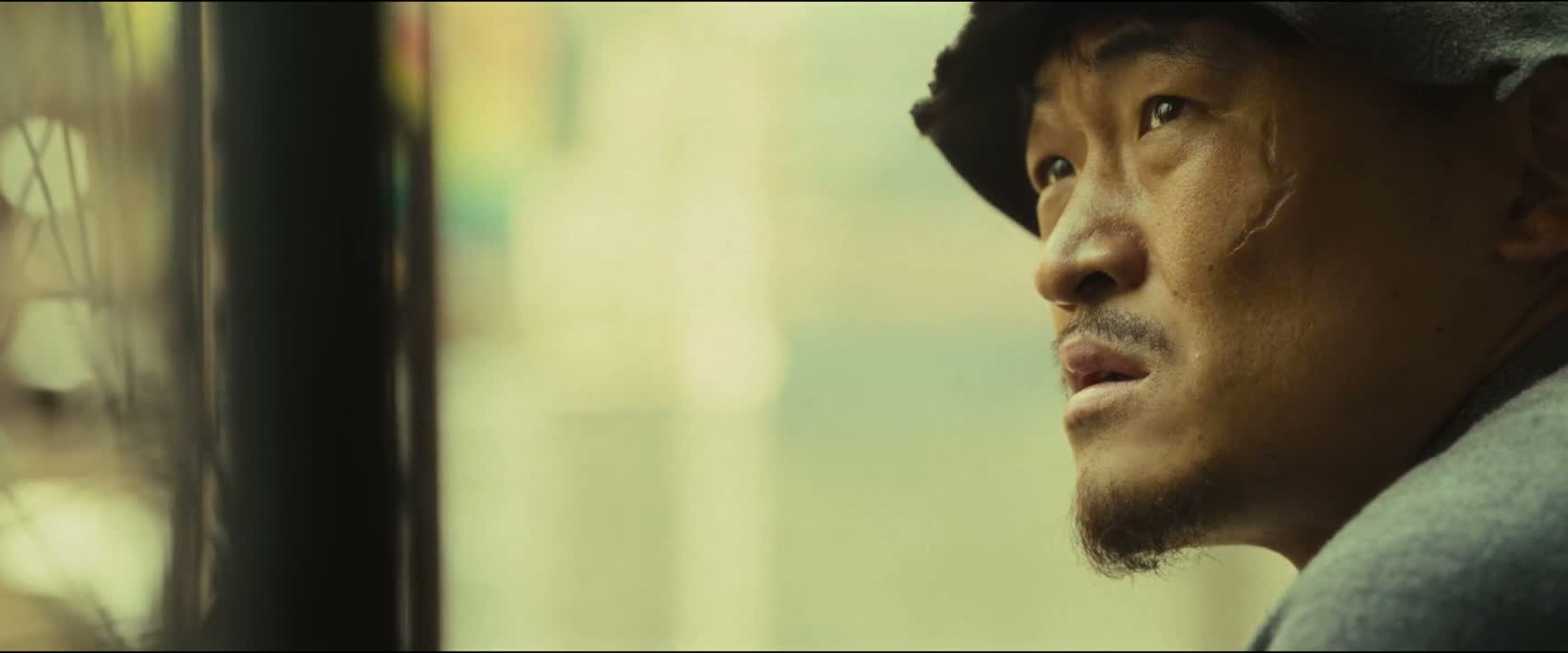
“For making you and Master suffer so much,”
“Master, you startled me.”
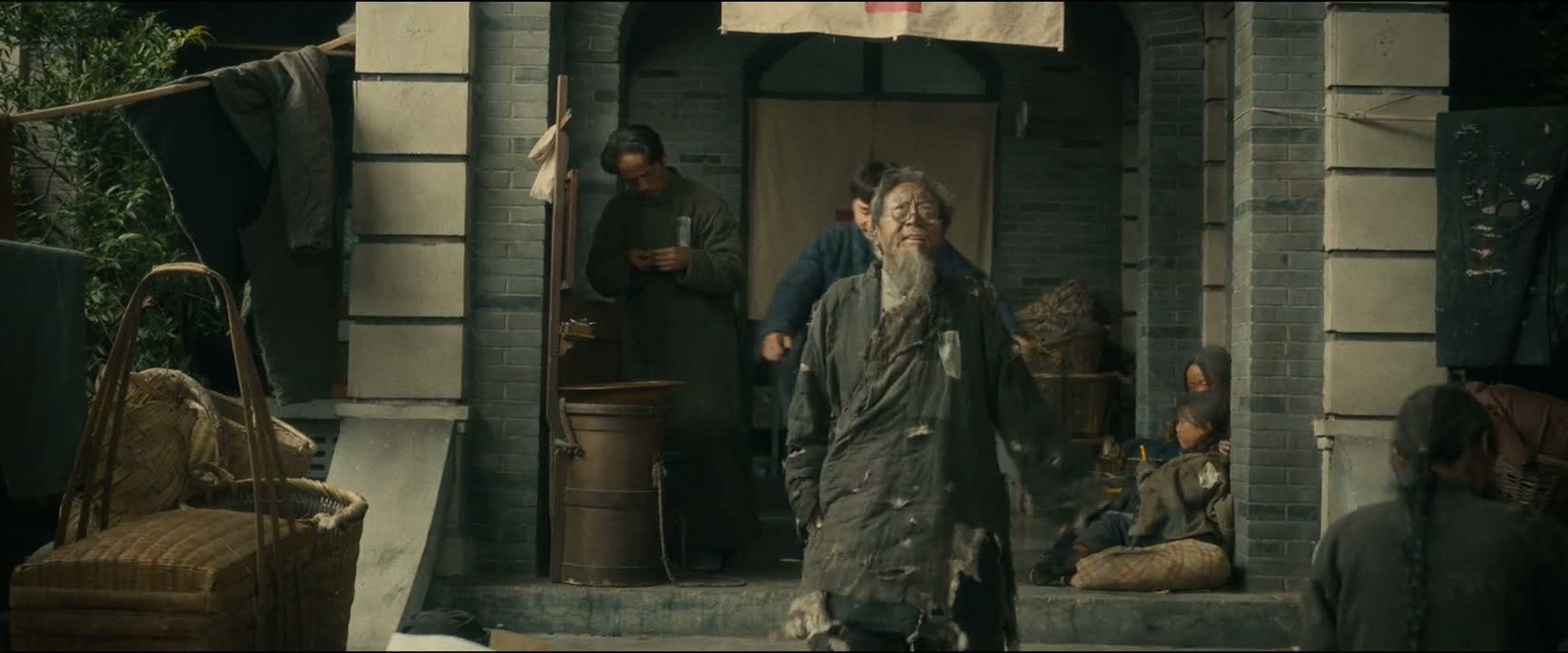
“Master. Master. Master. We can't go home like this.”