我们还怎么去管那些伤员 那也不能不管哪
“How can we care about the wounded? We can't just leave them.”
THE DIALOGUE REEL
“The army doesn't care about us anymore.”
我们 还怎么去管 那些伤员 那 也不能不管 哪
“How can we care about the wounded? We can't just leave them.”
好好好 大家听我说 我们是医生
“Okay. Everyone, listen to me. We are doctors.”
Direct spoken expression in this communicative setting.
Double-negative phrasing like '也不能不管' underscores deep moral compunction where conscience forbids abandoning vulnerable dependants even during systemic breakdown.
LEARNING CHUNKS & PARTICLES
how can one possibly manage or care for
A rhetorical pattern used to signal practical impossibility or extreme difficulty.
cannot simply leave it unattended / cannot just abandon
A double negative construction used to emphasize an unavoidable ethical obligation.
Softens the rhetorical question and expresses lingering emotional conflict or helplessness.
VOCABULARY & EXPRESSIONS
Parallel Spoken Cinema Scenes (语义近邻切片)

“Why not let me stay to attend to the wounded soldiers”
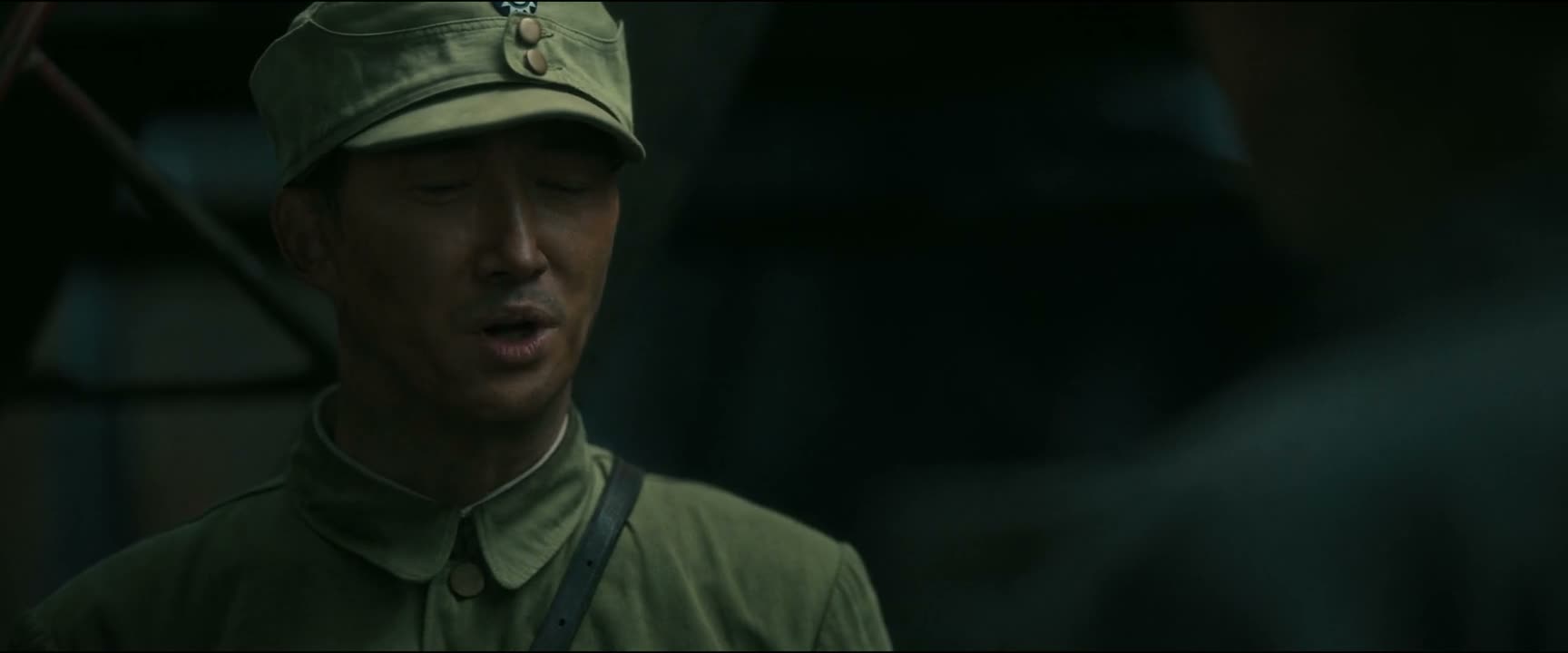
“Didn't I tell you just now? The wounded soldiers from the field hospital”
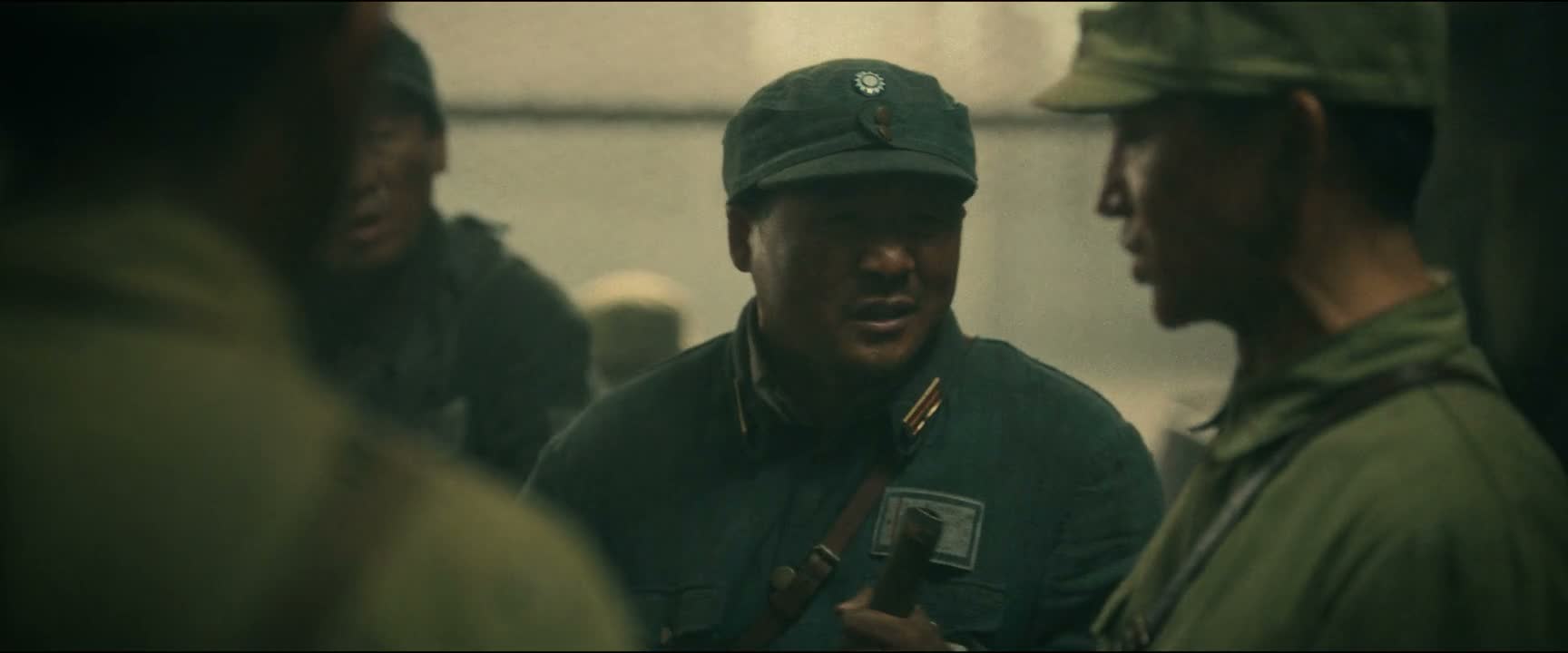
“Let's go together. No, the wounded walk too slowly.”
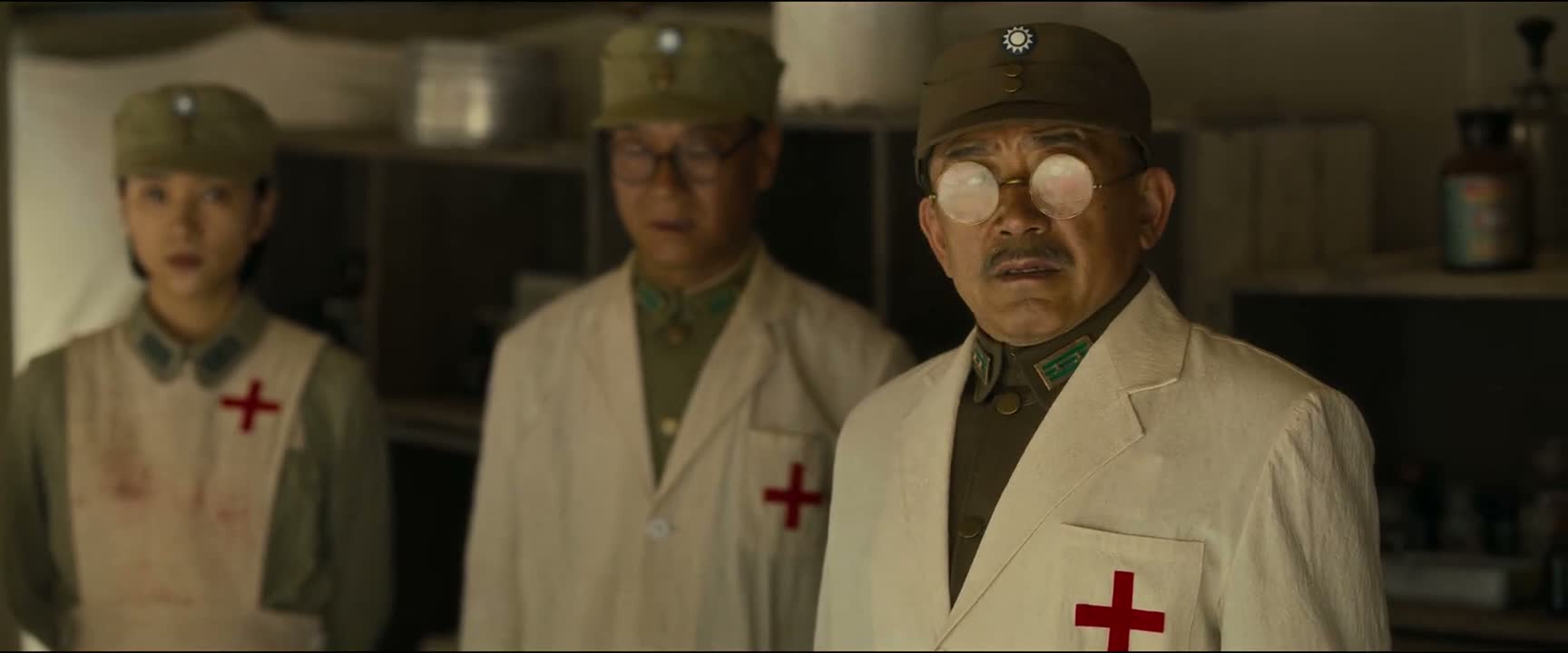
“If we all run away, what about these wounded?”