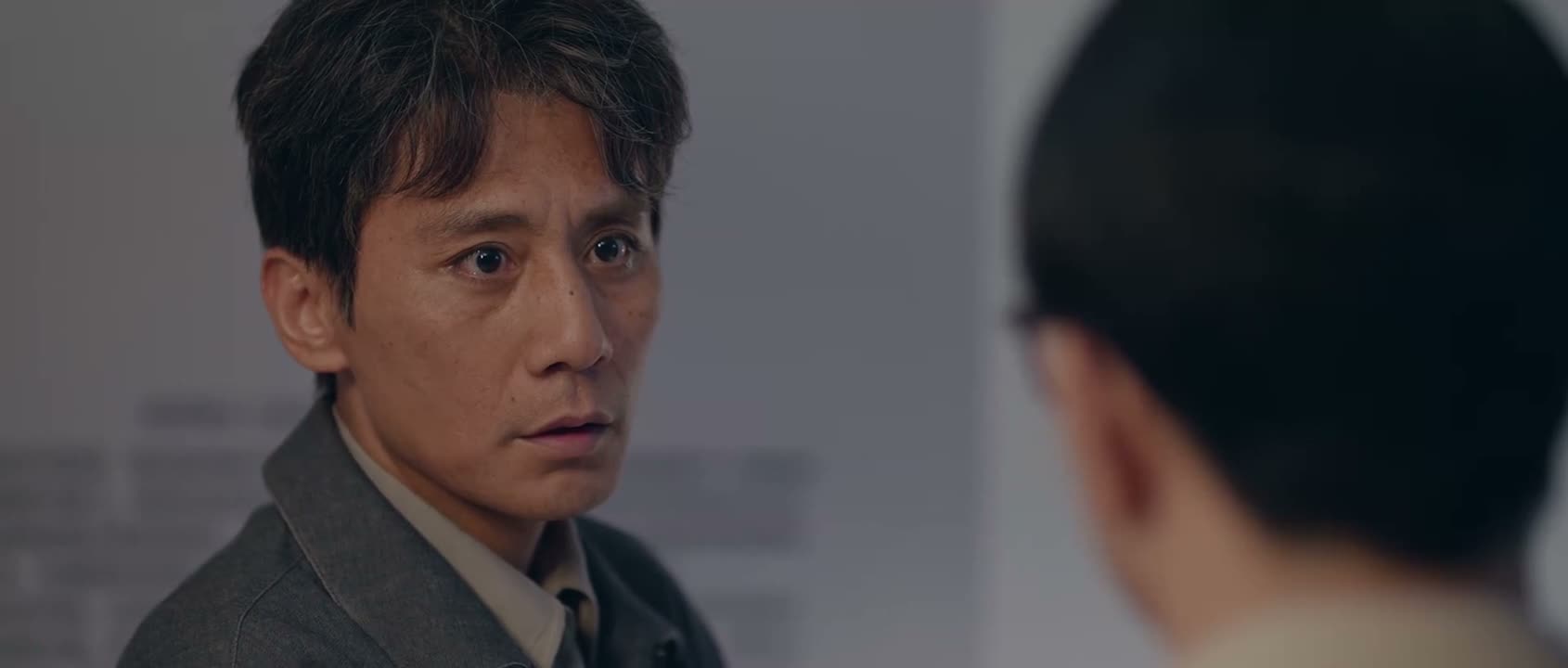
《Live up to Your Youth》 S1·E27 (35:19)
HSK 3
wèi shén me bù yòng zhè xiē shí jiān
为什么不用这些时间
“why don't we use that time”
《Live up to Your Youth》
S1·E27
TIMECODE: 35:19
·
1080P MASTER AUDIO
THE DIALOGUE REEL
[-1] PREVIOUS TURN
làng fèi zài zhè ér
浪费在这儿
“on that,”
wèi shén me bù yòng zhè xiē shí jiān
CURRENT FOCUS
为什么不用 这些 时间
“why don't we use that time”
[+1] FOLLOW-UP TURN
qù ài bǐ cǐ ne
去爱彼此呢
“to love each other?”
Subtitles synced to millisecond timecode
Browse Show Clips →
Scene:
Crisis & Conflict
Function:
CHALLENGING BEHAVIOR
Tone:
PLEADING
Emotion:
FRUSTRATION
WHAT THEY REALLY MEAN (PRAGMATIC SUBTEXT)
“Stop fighting over meaningless things; our time together is too short to waste.”
💡 Cultural Insight: Emotional Appeal over Argumentation
In close relationships, appealing directly to affection and the transience of life is often employed to disarm rational conflict and avoid mutual destruction.
INTENT TAGS:
#reconciliation
#pleading
#conflict_deescalation
#emotional_appeal
🧩
1 CHUNKS · 0 PARTICLES
LEARNING CHUNKS & PARTICLES
为什么不用
SPOKEN CHUNK
why not use...
A rhetorical question pattern used to propose a more constructive alternative during an impasse.
🏮
2 EXPR · 1 GRAMMAR
VOCABULARY & EXPRESSIONS
COLLOQUIAL EXPRESSIONS:
GRAMMAR BLUEPRINTS:
CROSS-CINEMA CORPUS BOARD · PARALLEL SCENES
EXPLORE BY SEMANTIC SIMILARITY
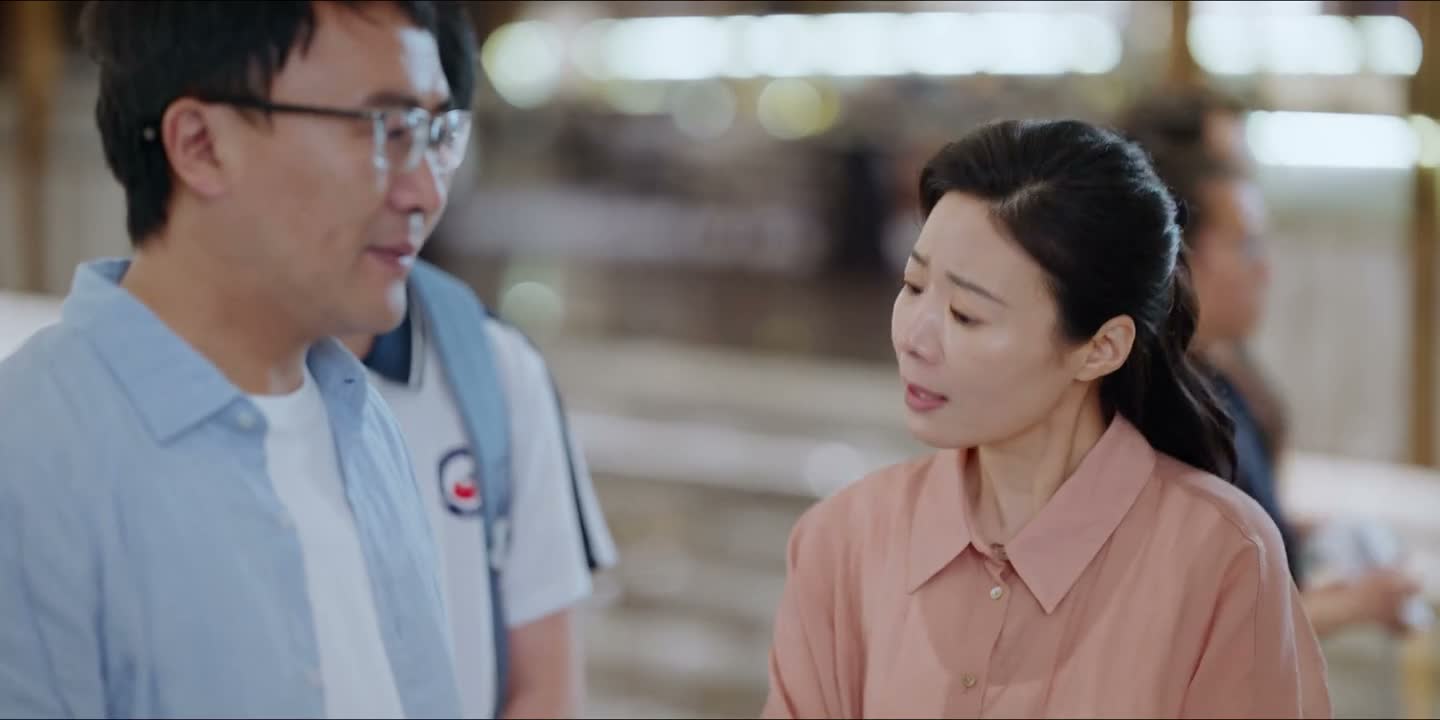
Parallel Spoken Cinema Scenes (语义近邻切片)
《Live up to Your Youth》 S1·E27 (35:19) · Authentic Cinema Dialogue Corpus