MC
MandarinClips Cinema Corpus
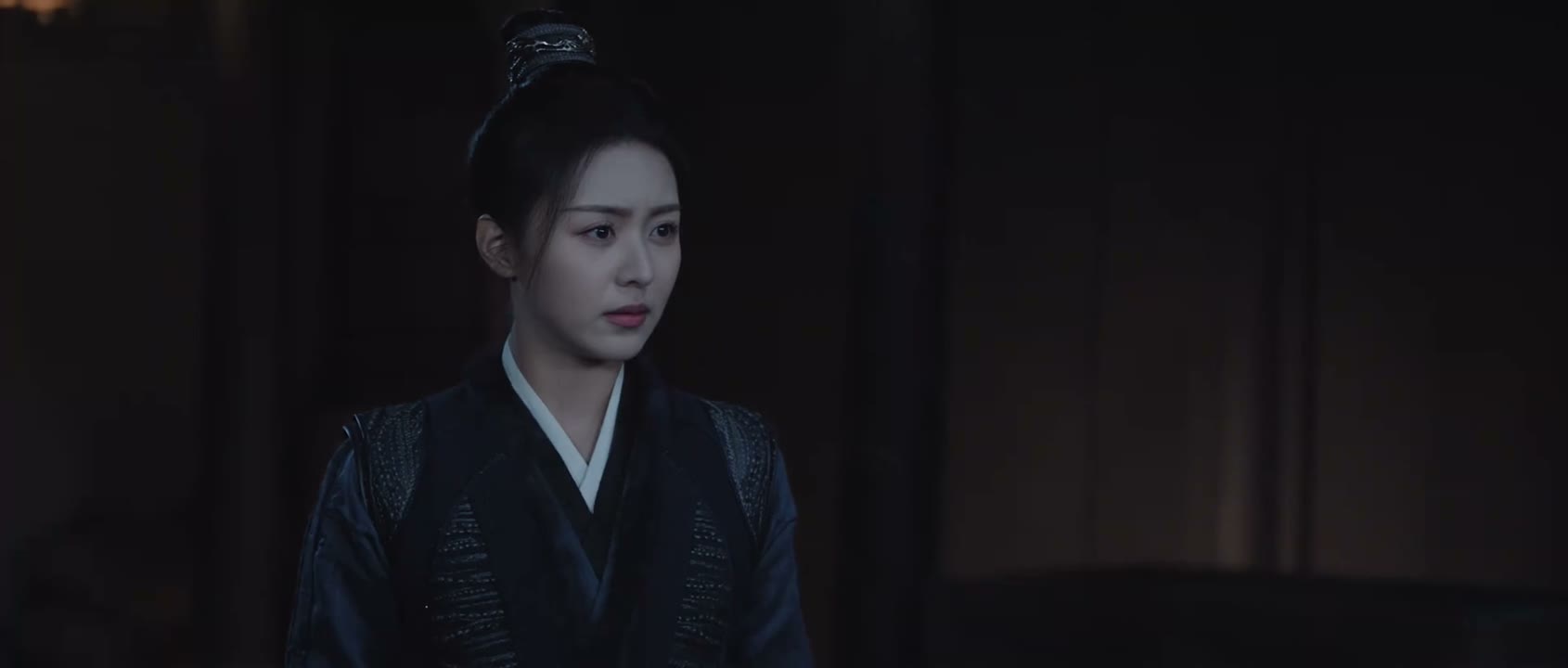
《The Knockout》 S1·E39 (20:11) HSK 6
shuí néng xiǎng dào jīn tiān fā zhǎn chéng zhè ge yàng zi

谁能想到 今天发展成这个样子

“Who would have thought Jinghai can be like this?”

《The Knockout》 S1·E39
TIMECODE: 20:11 · 1080P MASTER AUDIO

THE DIALOGUE REEL

1+1+1 SPOKEN CONTINUITY
[-1] PREVIOUS TURN èr shí nián qián hái pò pò làn làn de

“It used to be shabby 20 years ago.”

shuí néng xiǎng dào jīn tiān fā zhǎn chéng zhè ge yàng zi CURRENT FOCUS

谁能想到 今天 发展成这个样子

“Who would have thought Jinghai can be like this?”

[+1] FOLLOW-UP TURN wǒ zài zhè ér gàn le yī bèi zi gēn shēn dì gù

“I've been working here all my life. I have deep roots.”

Subtitles synced to millisecond timecode Browse Show Clips →
Scene: Social & Dating
Function: EXPRESSING AMAZEMENT
Tone: REFLECTIVE
Emotion: WONDER
WHAT THEY REALLY MEAN (PRAGMATIC SUBTEXT)

Direct spoken expression in this communicative setting.

💡 Cultural Insight: Rapid Urban Transformation (Canghai Sangtian)

Reflects the common contemporary Chinese sentiment of marveling at the astonishing speed of modernization and redevelopment that transformed dilapidated areas within just two decades.

INTENT TAGS: #lamenting #reminiscing #marveling #rhetorical_question
🧩

LEARNING CHUNKS & PARTICLES

2 CHUNKS · 0 PARTICLES
谁能想到 SPOKEN CHUNK

who would have thought; who could have imagined

A rhetorical phrase commonly used to introduce an unexpected, dramatic turn of events or striking transformation.

成这个样子 SPOKEN CHUNK

into this state; into what it is today

Used to describe an outcome or end state, which can be either positive, negative, or simply astonishing depending on the context.
🏮

VOCABULARY & EXPRESSIONS

3 EXPR · 0 GRAMMAR
CROSS-CINEMA CORPUS BOARD · PARALLEL SCENES

Parallel Spoken Cinema Scenes (语义近邻切片)

EXPLORE BY SEMANTIC SIMILARITY
《The Knockout》 S1·E39 (20:11) · Authentic Cinema Dialogue Corpus