你不要拿孩子 来逼她嘛
“Don't use the child to force her.”
THE DIALOGUE REEL
她喜欢这里
“She likes it here.”
你不要 拿 孩子 来逼 她嘛
“Don't use the child to force her.”
“If she just liked it here, that would be fine.”
“Stop using guilt trips with the kid to get your way.”
In Chinese family dynamics, children are often viewed as the core bond, leading adults to frequently invoke parental responsibility to sway decisions.
LEARNING CHUNKS & PARTICLES
to use the child to pressure or emotionally blackmail someone
Commonly used in domestic disputes when one parent uses child welfare as leverage.
Softens the direct prohibition while indicating the statement should be obvious common sense.
VOCABULARY & EXPRESSIONS
Parallel Spoken Cinema Scenes (语义近邻切片)

“Would you really leave me and our kid?”
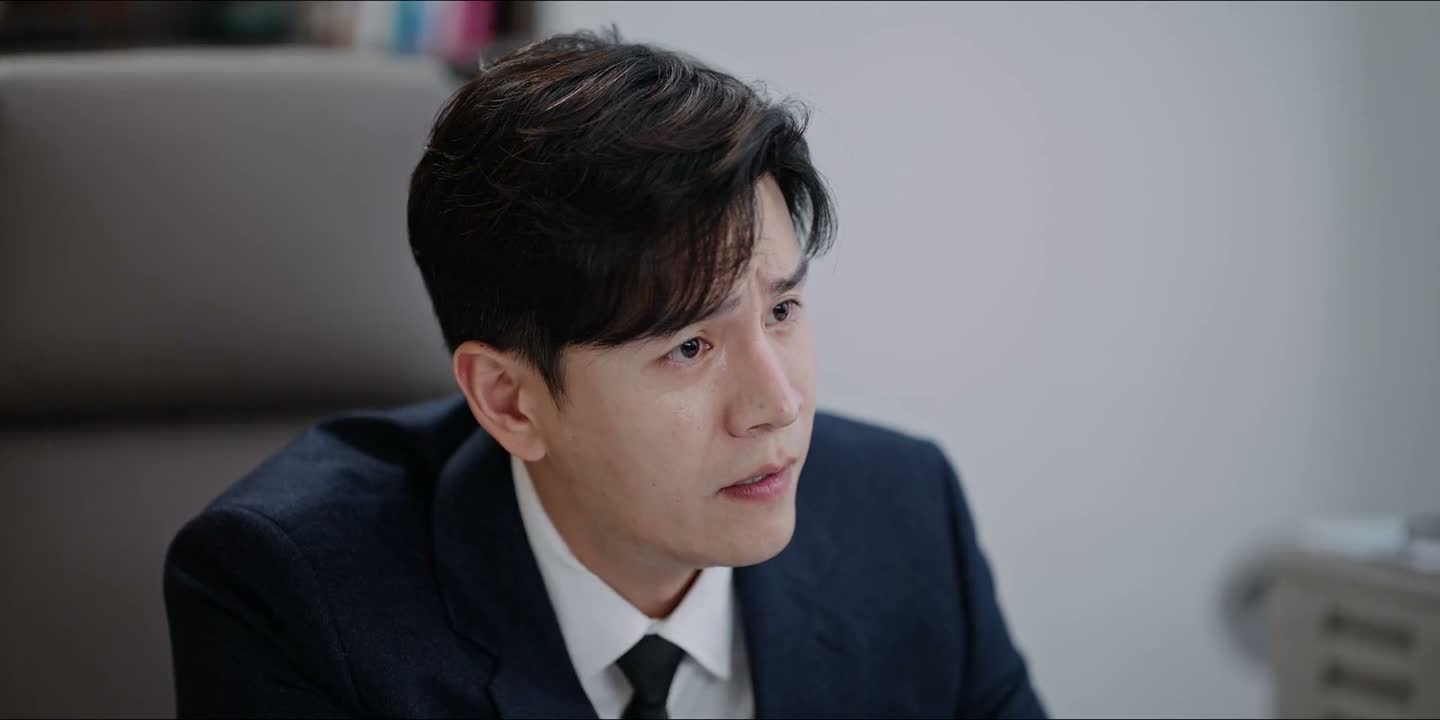
“You're scared I'll use the baby to threaten you.”

“Don't be mad. She's just a kid.”
“Please, don't hurt my child! My child is still so little!”

“You just don't take kids seriously enough.”

“Let's not argue in front of children, okay?”