MC
MandarinClips Cinema Corpus
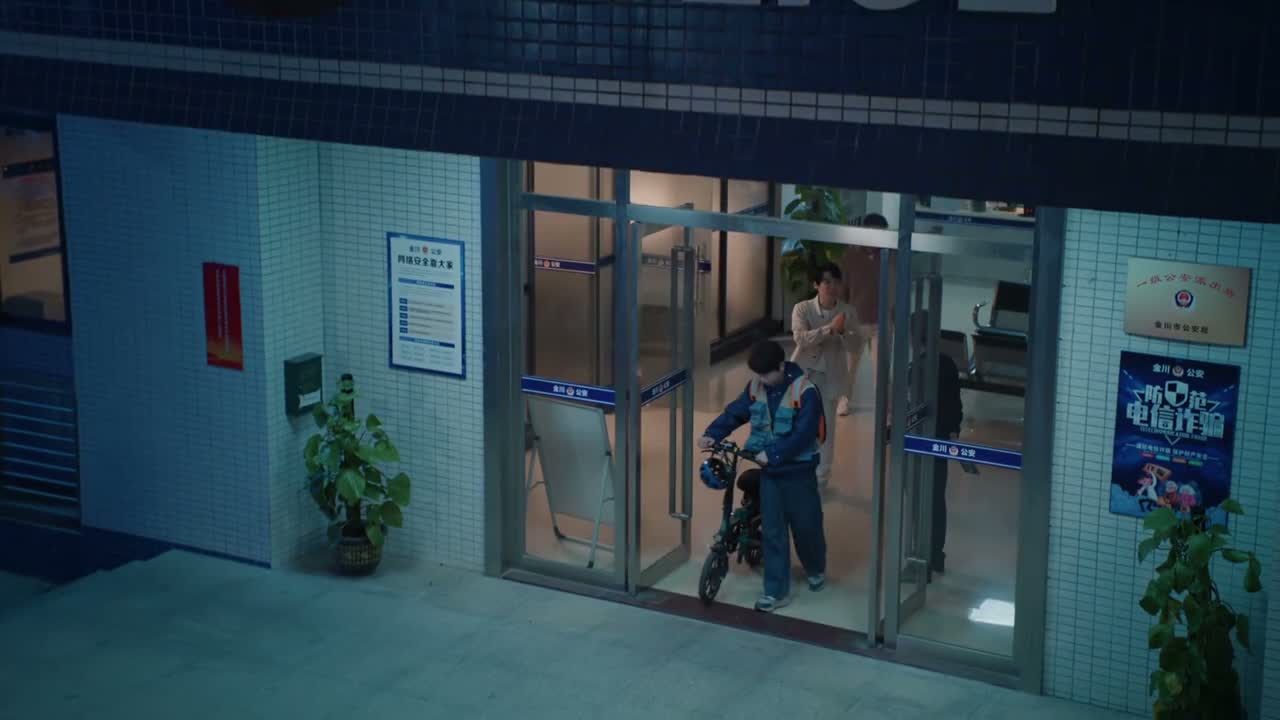
《Born to Be Alive》 S1·E6 (39:00) HSK 2
xiè xiè ā ní ( dà shěn ) bù xiè bù xiè lái lèi le ba

谢谢 阿尼(大婶) 不谢 不谢 来 累了吧

“Thank you, Aunty. You’re welcome. Here, you must be tired.”

《Born to Be Alive》 S1·E6
TIMECODE: 39:00 · 1080P MASTER AUDIO

THE DIALOGUE REEL

1+1+1 SPOKEN CONTINUITY
[-1] PREVIOUS TURN lái lái lái hē chá le

来 来 来 喝茶了

“Come on. Have some tea.”

xiè xiè ā ní ( dà shěn ) bù xiè bù xiè lái lèi le ba CURRENT FOCUS

谢谢 阿尼(大婶) 不谢 不谢 来 累了吧

“Thank you, Aunty. You’re welcome. Here, you must be tired.”

[+1] FOLLOW-UP TURN lái hē chá

来 喝茶

“Here, tea.”

Subtitles synced to millisecond timecode Browse Show Clips →
Scene: Daily Life
Function: WELCOMING AND CARING
Tone: HOSPITABLE AND AFFECTIONATE
Emotion: WARMTH
WHAT THEY REALLY MEAN (PRAGMATIC SUBTEXT)

Direct spoken expression in this communicative setting.

💡 Cultural Insight: Warm Hospitality (热情好客)

Chinese hosts routinely dismiss polite thanks with repeated 'no need to thank' to make guests feel at home like family.

INTENT TAGS: #hospitality #politeness #empathy #caring
🧩

LEARNING CHUNKS & PARTICLES

2 CHUNKS · 1 PARTICLES
不谢 SPOKEN CHUNK

you're welcome / no need for thanks

A colloquial and rapid response to 'thank you', repeated to emphasize warmth and closeness.

累了吧 SPOKEN CHUNK

you must be tired

A standard hospitable phrase showing empathy towards guests who have traveled or worked hard.

Modal Particle「吧」 (ba) CHANGE OF STATE

Softens the assumption into an empathetic, solicitous inquiry seeking confirmation.
🏮

VOCABULARY & EXPRESSIONS

2 EXPR · 0 GRAMMAR
CROSS-CINEMA CORPUS BOARD · PARALLEL SCENES

Parallel Spoken Cinema Scenes (语义近邻切片)

EXPLORE BY SEMANTIC SIMILARITY
《Born to Be Alive》 S1·E6 (39:00) · Authentic Cinema Dialogue Corpus