累了吧
lèi le baCommon spoken expression used by native Chinese speakers in daily life.
[Scene: 其他场景]
(2 clips) 00:03
(来 来 来 喝茶了) ── Previous context
“Thank you, Aunty. You’re welcome. Here, you must be tired.”
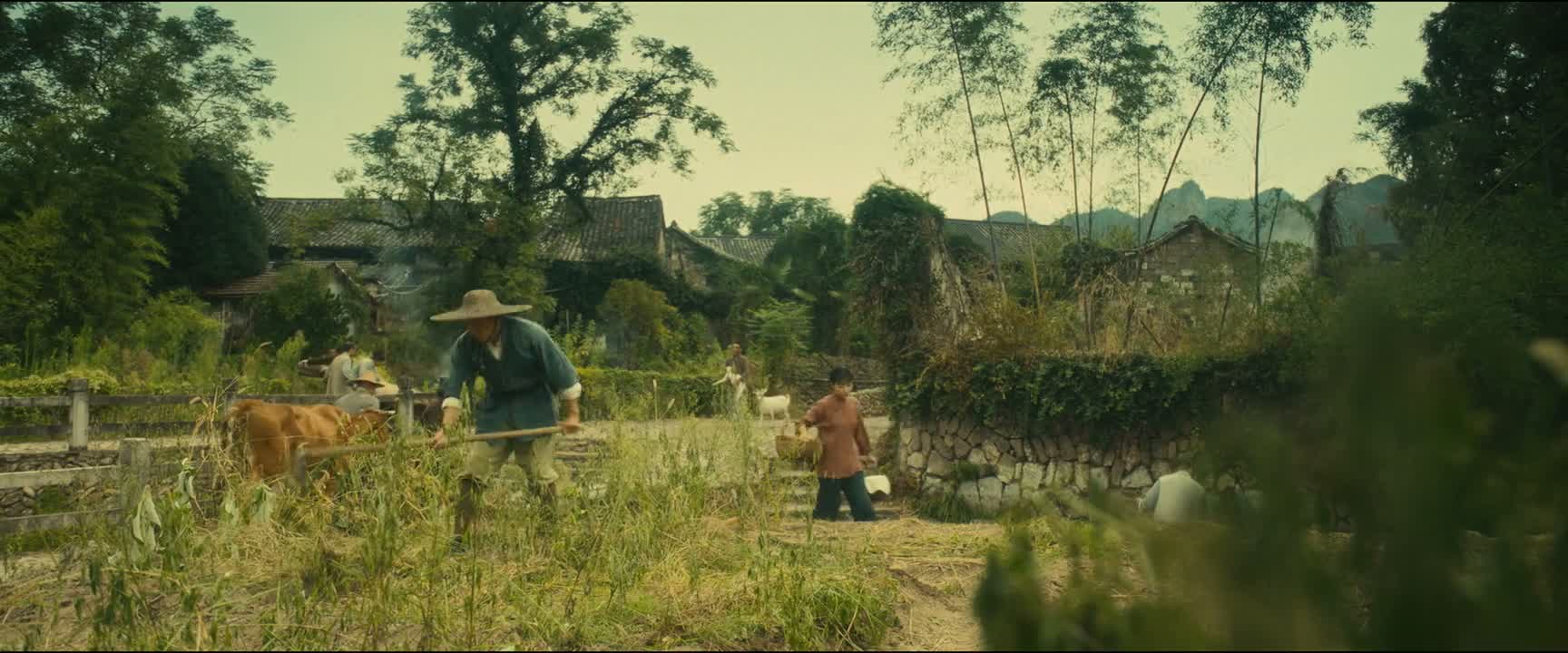 00:02
[Scene: 家庭日常]
(2 clips) 00:03
(香得很 快 来来来 把鞋换了 鞋 鞋给你放这儿) ── Previous context
“You must be exhausted from work. How was work today? Did it go well?”
 00:03
(你回来啦) ── Previous context
“You are tired, right? Did you have supper? You must be very hungry.”
[Scene: 社交聚会]
(1 clips) 00:02
(枫哥 太帅了) ── Previous context
“Here, you must be tired. Here, have something to drink.”
[Scene: 出行交通]
(1 clips) 00:02
(杭城) ── Previous context
“I visited Hangcheng with Mom and Dad years ago. Xiaolan, you must be tired, right?”
📌 来来来
→Nuance: 关心下班疲惫与饥饿的同类关怀表达
📌 吃饭了吗
→Nuance: 同为询问吃饭,更显关切
📌 添麻烦
→Nuance: 同向近义词根配对: [感谢 ↔ 谢谢]
📌 不好意思
→Nuance: 同向近义词根配对: [感谢 ↔ 谢谢]
📌 赶紧
→Nuance: 同为关心饥饿并招呼进食
📌 赶紧
→Nuance: 关切饥饿并慰问,交际意图相近
📌 怎么了
→Nuance: 同为关照递水催促喝水
📌 饿坏了
→Nuance: 同为关心累否及用餐问候
📌 饿坏了
→Nuance: 关切饥饿并慰问,交际意图相近
📌 好意思
→Nuance: 同向近义词根配对: [感谢 ↔ 谢谢]