MC
MandarinClips Cinema Corpus
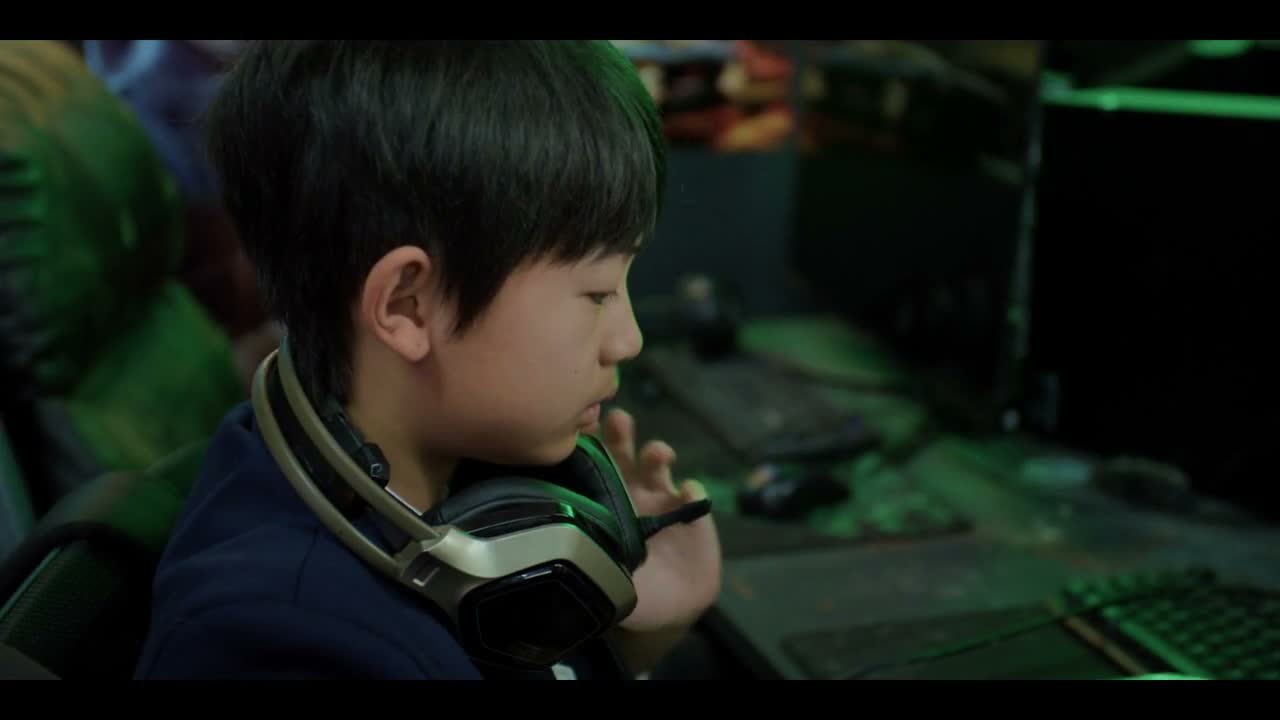
《Go Ahead》 S1·E6 (03:37) HSK 4
lèi le ba chī wǎn fàn le ma kěn dìng è huài le ba

累了吧 吃晚饭了吗 肯定饿坏了吧

“You are tired, right? Did you have supper? You must be very hungry.”

《Go Ahead》 S1·E6
TIMECODE: 03:37 · 1080P MASTER AUDIO

THE DIALOGUE REEL

1+1+1 SPOKEN CONTINUITY
[-1] PREVIOUS TURN nǐ huí lái la

你回来啦

“you are back.”

lèi le ba chī wǎn fàn le ma kěn dìng è huài le ba CURRENT FOCUS

累了吧 吃晚饭了吗 肯定 饿坏了吧

“You are tired, right? Did you have supper? You must be very hungry.”

[+1] FOLLOW-UP TURN guō lǐ hái yǒu dì guā fàn hái yǒu bàn wǎn hóng shāo ròu wǒ gēn nǐ jiǎng ó

“There is sweet potato rice and half a bowl of braised pork in brown sauce in the pot. I'm telling you.”

Subtitles synced to millisecond timecode Browse Show Clips →
Scene: Family & Home
Function: SHOWING SOLICITUDE
Tone: AFFECTIONATE
Emotion: CARING
WHAT THEY REALLY MEAN (PRAGMATIC SUBTEXT)

Direct spoken expression in this communicative setting.

💡 Cultural Insight: Feeding as Familial Love

In Chinese family dynamics, expressing deep love and hospitality rarely relies on saying 'I love you'; it is overwhelmingly channeled through worrying about whether the person is fed.

INTENT TAGS: #welcoming #caregiving #empathy #solicitude
🧩

LEARNING CHUNKS & PARTICLES

2 CHUNKS · 2 PARTICLES
累了吧 SPOKEN CHUNK

You must be tired

A staple greeting in family contexts showing consideration for someone returning from work or travel.

饿坏了 SPOKEN CHUNK

starving; famished

Literally 'ruined by hunger', an emphatic idiom expressing intense hunger.

Modal Particle「吧」 (ba) CHANGE OF STATE

Softens the assumption into an empathetic, solicitous confirmation.

Modal Particle「吗」 (ma) CHANGE OF STATE

Marks an open yes-no question inquiring about the person's status.
🏮

VOCABULARY & EXPRESSIONS

3 EXPR · 0 GRAMMAR
CROSS-CINEMA CORPUS BOARD · PARALLEL SCENES

Parallel Spoken Cinema Scenes (语义近邻切片)

EXPLORE BY SEMANTIC SIMILARITY
《Go Ahead》 S1·E6 (03:37) · Authentic Cinema Dialogue Corpus