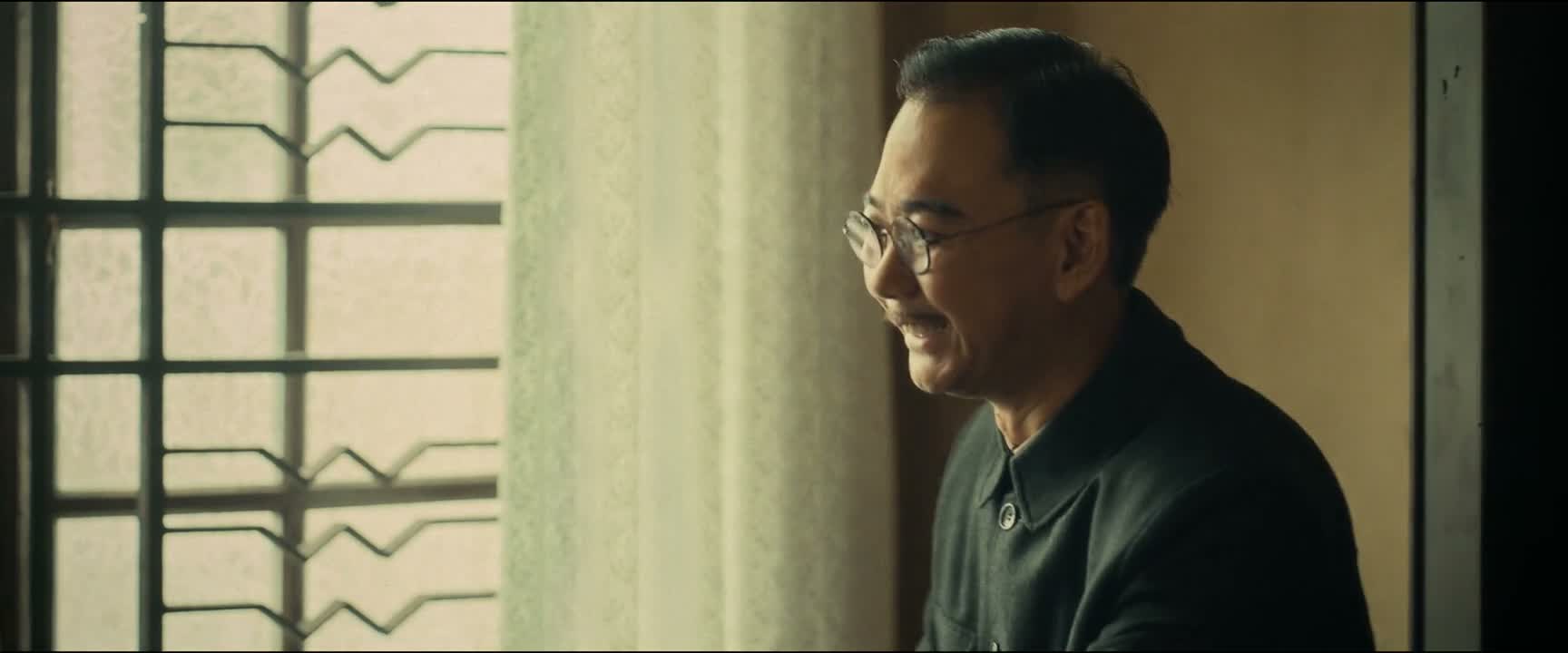
再来点 我帮你吧 不用 不用 不用 没事 没事
“More. Let me help you. No, no, no. It's okay.”
THE DIALOGUE REEL
一五六
“156.”
再来点 我帮你吧 不用 不用 不用 没事 没事
“More. Let me help you. No, no, no. It's okay.”
我来帮你
“Let me help you.”
“Please don't trouble yourself on my account, I can manage this just fine.”
In Chinese etiquette, offering help and repeatedly saying '不用' (no need) and '没事' (it's fine) is essential courtesy to prevent the other person from feeling burdened.
LEARNING CHUNKS & PARTICLES
no need, don't worry about it
Repeating '不用' is the standard spoken formula to politely and firmly decline someone's offer of help.
it's alright, no problem
Doubling '没事' emphasizes reassurance that everything is under control and no trouble was caused.
Used when proposing an offer to soften the initiative and make it sound considerate.
VOCABULARY & EXPRESSIONS
Parallel Spoken Cinema Scenes (语义近邻切片)
“Do you need help? No, thank you.”

“Is that heavy? Do you need a hand? No, thanks! I can manage.”

“Can I help? No, thanks.”