她凭什么当年抛弃了你
“How could she abandon you back then”
THE DIALOGUE REEL
张翠萍无辜吗
“Is Zhang Cuiping innocent?”
她 凭什么 当年抛弃了你
“How could she abandon you back then”
“She has no right to pretend she cares about you now after walking out on you back then.”
While Chinese culture deeply values filial piety, severe dereliction of parental duty such as child abandonment breaks this moral contract, making reconciliation fraught with moral anger and skepticism.
LEARNING CHUNKS & PARTICLES
on what grounds / what makes someone think they can
A powerful rhetorical expression used to challenge someone's legitimacy, unfair behavior, or perceived privilege.
back in those days / in those years
Commonly used in spoken Chinese to refer to a critical past era or pivotal moment in personal history.
VOCABULARY & EXPRESSIONS
Parallel Spoken Cinema Scenes (语义近邻切片)
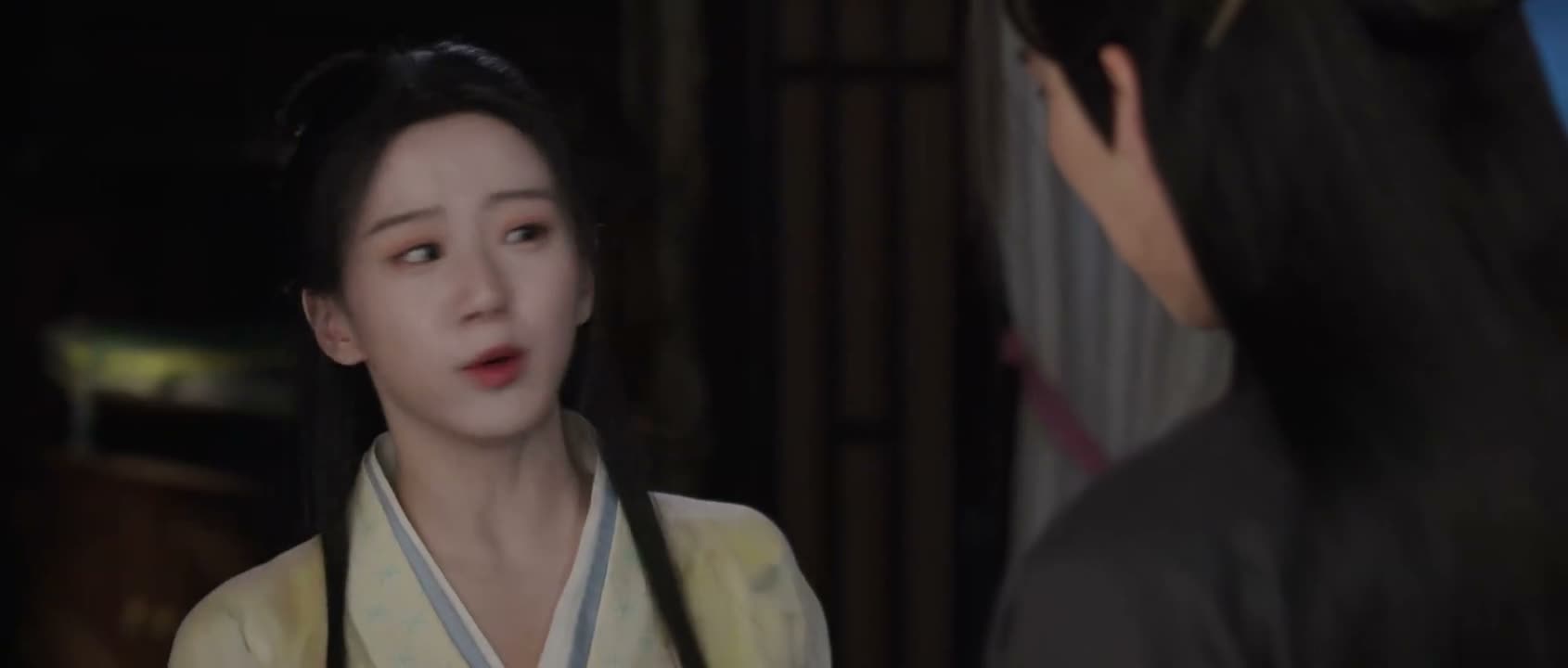
“Why should I abandon them for you?”

“When you abandoned your wife and child back then,”

“that they were forced to abandon the child at that time. But in fact,”
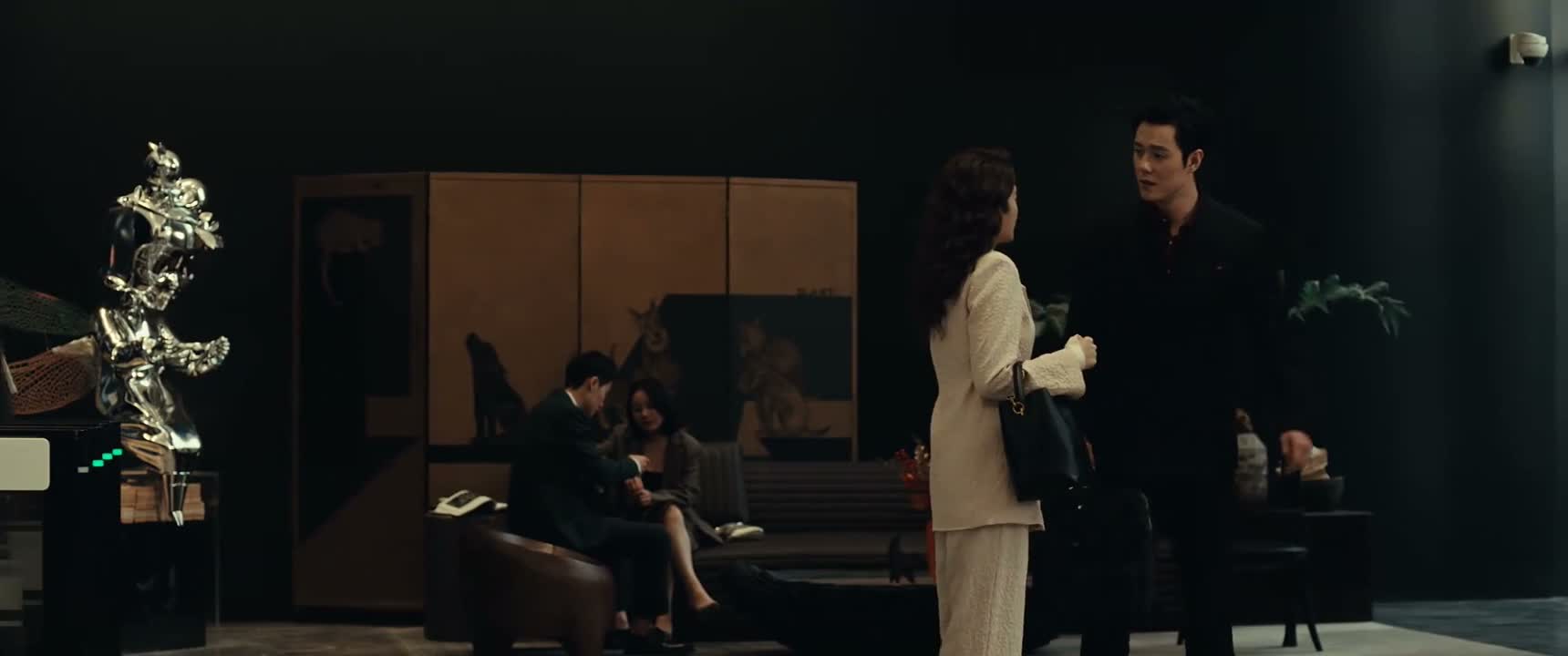
“Do you know why I dumped you back then?”
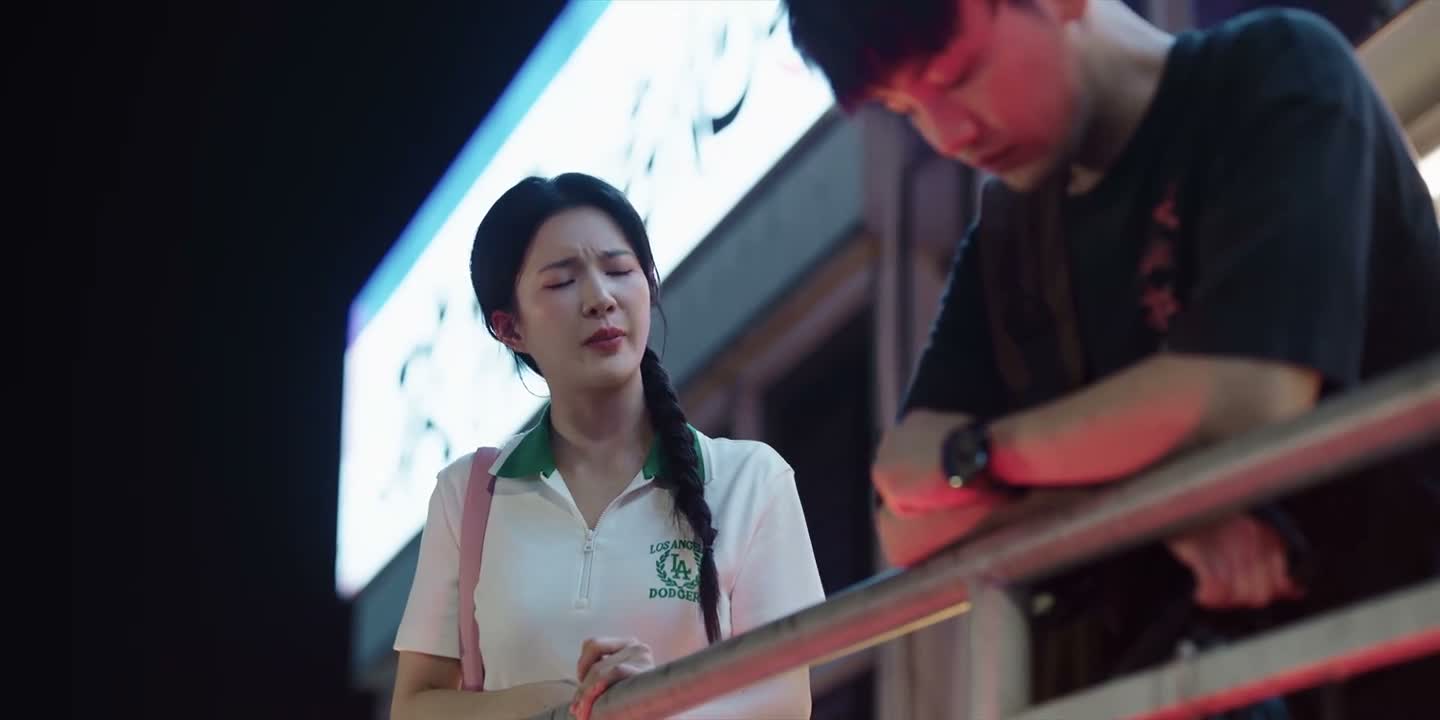
“What gives you the right to decide for me on your own?”
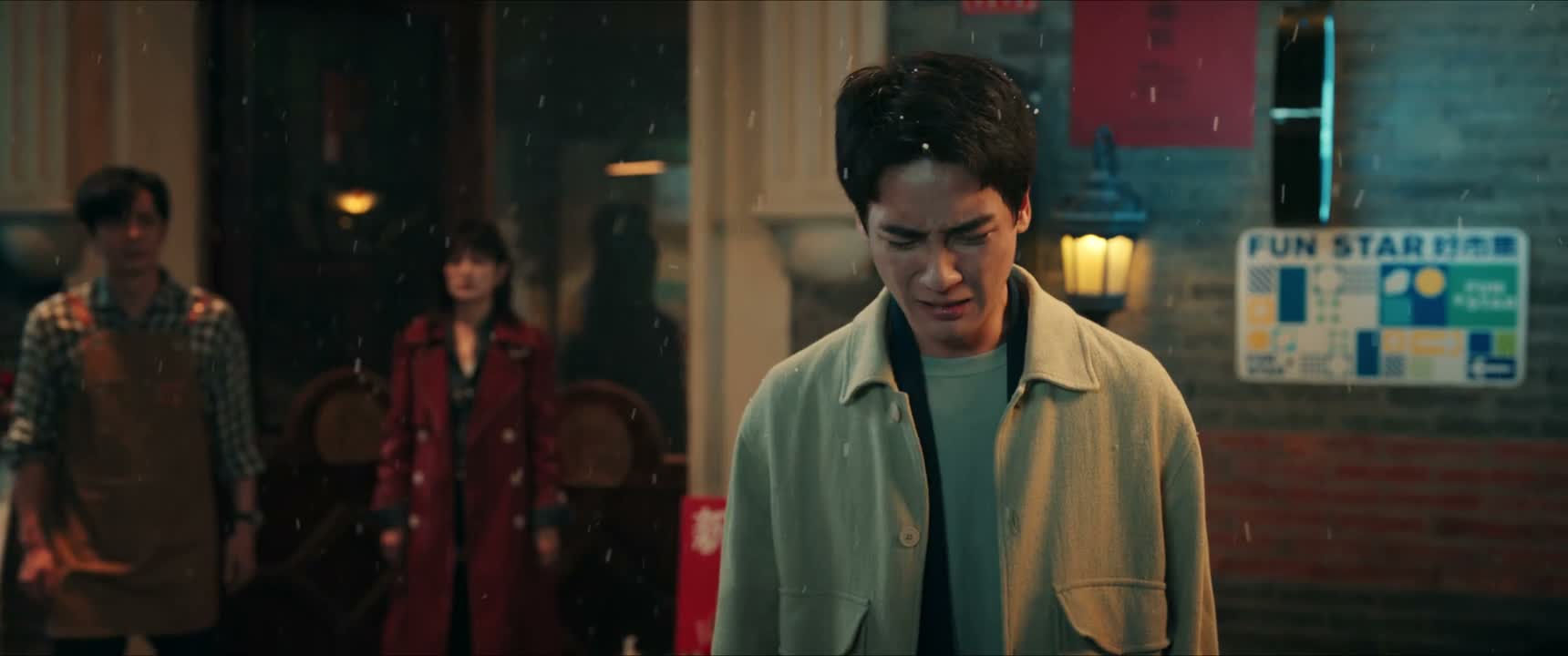
“What right does she have to treat me like that?”