当初你抛妻弃子的时候
“When you abandoned your wife and child back then,”
THE DIALOGUE REEL
连你寄予厚望的儿子 都不相信你的谎言
“Even your own son, whom you have such high hopes for, doesn't believe your lies.”
当初你 抛妻弃子 的时候
“When you abandoned your wife and child back then,”
“did you ever think it would come to this? You...”
“You destroyed our lives back then, and now you are finally getting the retribution you deserve.”
Abandoning one's spouse and child represents an extreme moral failure in Chinese culture, which is universally believed to bring unavoidable karmic disaster in the end.
LEARNING CHUNKS & PARTICLES
to abandon one's wife and child
A heavy, four-character moral idiom denoting one of the ultimate familial transgressions in Chinese ethics.
at that time; back then
Frequently placed at the beginning of an accusation or regretful statement to highlight a past turning point.
VOCABULARY & EXPRESSIONS
Parallel Spoken Cinema Scenes (语义近邻切片)
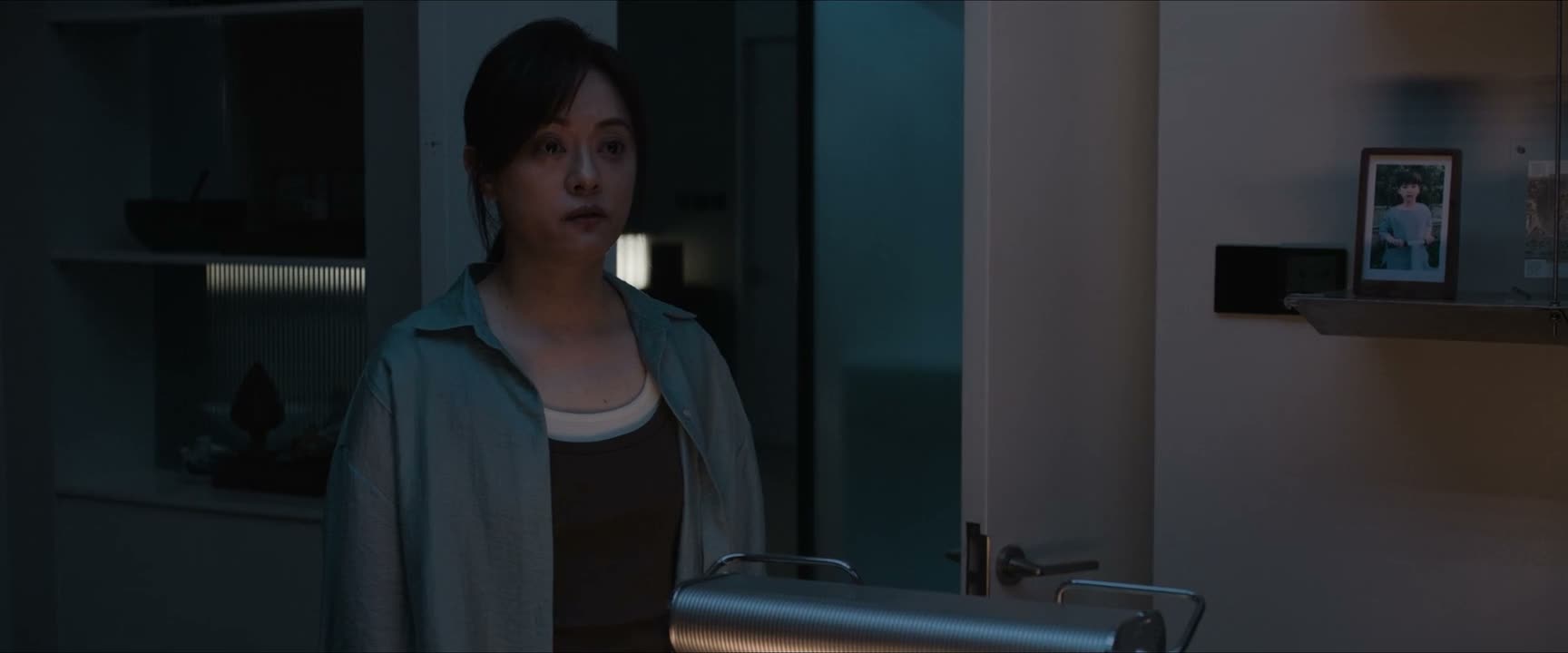
“She abandoned her family for you.”

“But now, you're abandoning your wife and child.”
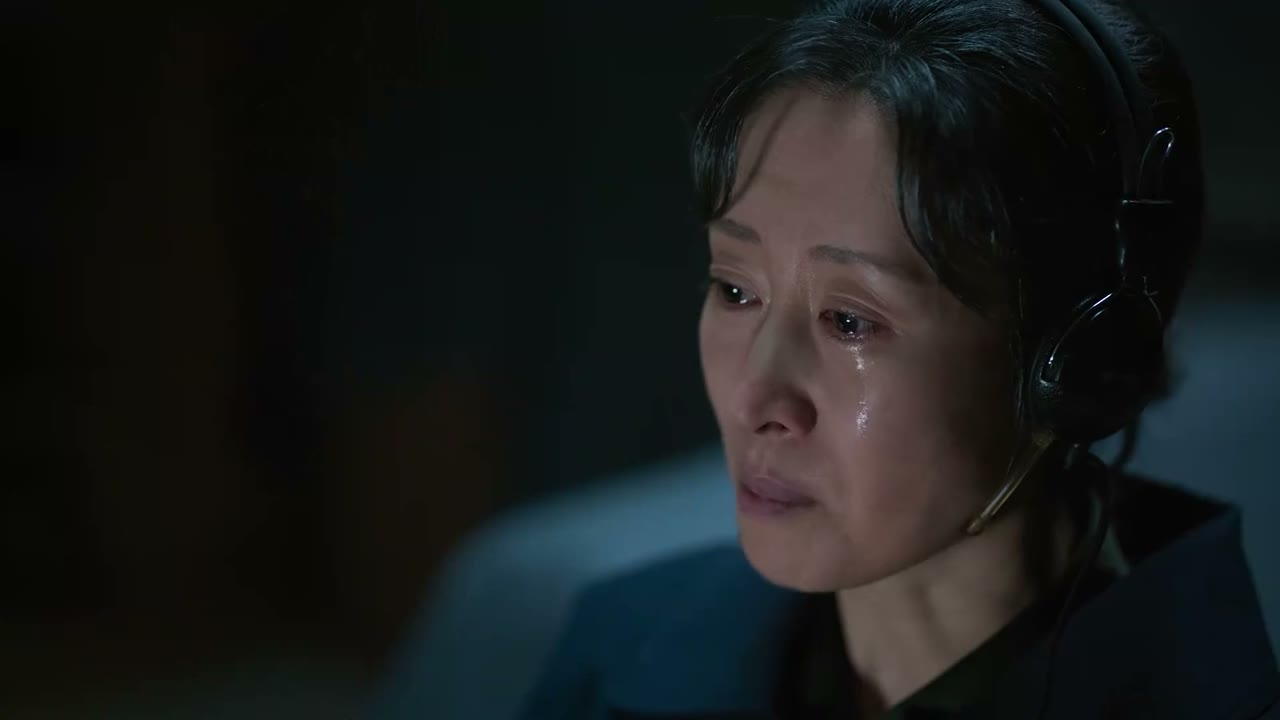
“How could she abandon you back then”

“that they were forced to abandon the child at that time. But in fact,”

“Back then, you were troubled by the past”

“I married you because of it.”