他不愿意分我有什么办法
“What can I do if he won't break up?”
THE DIALOGUE REEL
我已经跟小辉说过了
“I've already told Hui.”
他 不愿意 分 我有什么办法
“What can I do if he won't break up?”
那你不会再去跟小辉聊吗
“Then talk to him again.”
“Stop blaming me; I'm completely powerless if he won't cooperate.”
Using rhetorical questions like 'what can I do?' is a frequent conversational strategy in Chinese to signal that external factors make action impossible, shielding the speaker from fault.
LEARNING CHUNKS & PARTICLES
what can one do; there is no way out
A rhetorical question used to express helplessness or evade responsibility.
VOCABULARY & EXPRESSIONS
Parallel Spoken Cinema Scenes (语义近邻切片)

“Why? You don't even want to do this?”
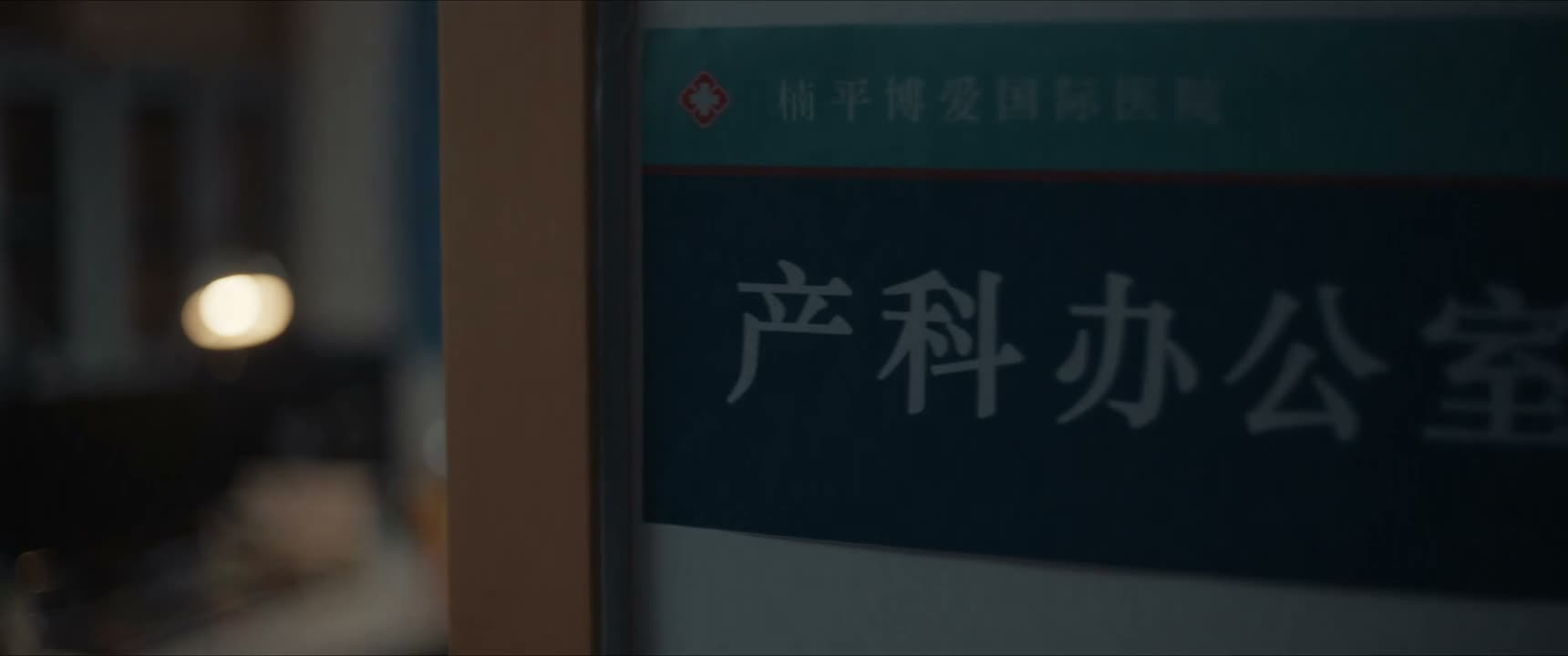
“[Nanping Bo'ai International Hospital Obstetrics Office] it's not that I don't want to cooperate.”

“What? Are you not willing?”

“that he must have his own reasons for not saying it.”

“to refuse his terms.”

“Why don't you want me?”