《Born with Luck》 S1·E19 (09:46)
HSK 6
bú shì rén bú shì zán shā de a
不是 人不是咱杀的啊
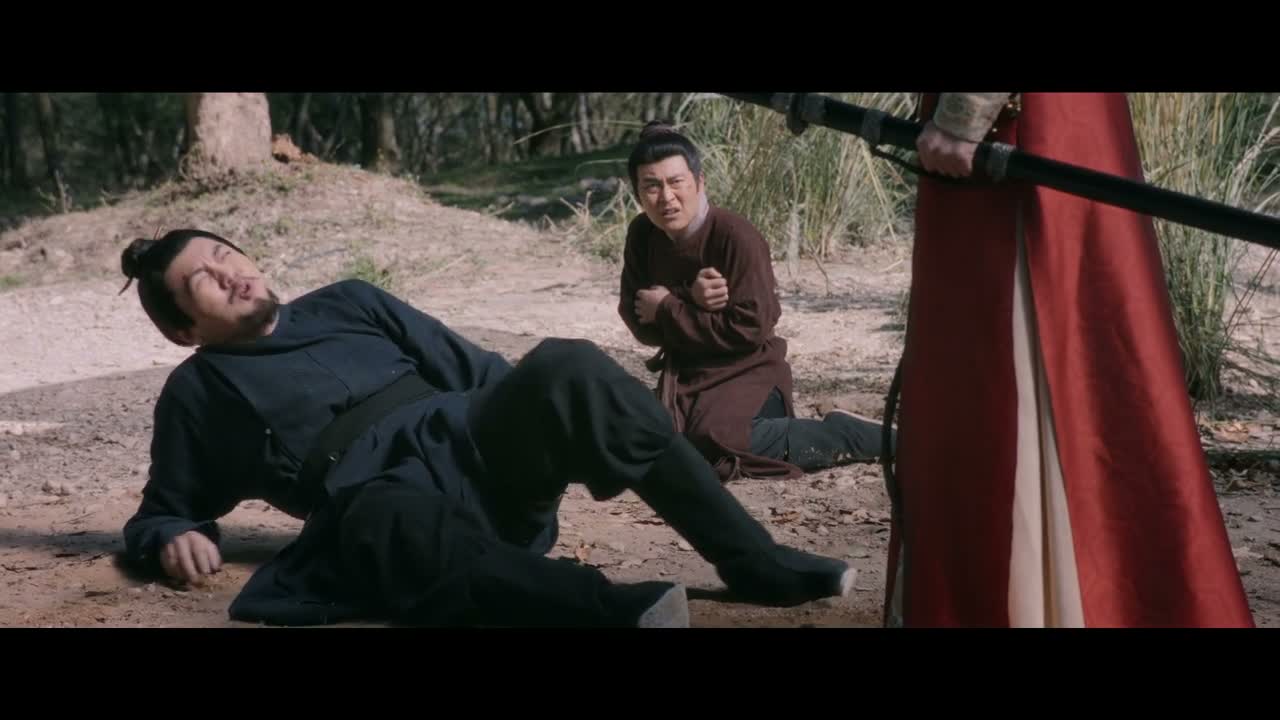
“[Taxi] No, we didn't kill this man.”
《Born with Luck》
S1·E19
TIMECODE: 09:46
·
1080P MASTER AUDIO
THE DIALOGUE REEL
[-1] PREVIOUS TURN
hái shì shā rén dūn dà láo shí jiān zhǎng
还是杀人蹲大牢时间长
“for robbery, or killing a man?”
bú shì rén bú shì zán shā de a
CURRENT FOCUS
不是 人 不是 咱杀的啊
“[Taxi] No, we didn't kill this man.”
[+1] FOLLOW-UP TURN
qián yě bú shì wǒ jiè de a
钱也不是我借的啊
“[Taxi] And I didn't borrow that money.”
Subtitles synced to millisecond timecode
Browse Show Clips →
Scene:
Crisis & Conflict
Function:
CLARIFYING INNOCENCE
Tone:
DEFENSIVE
Emotion:
ANXIETY
WHAT THEY REALLY MEAN (PRAGMATIC SUBTEXT)
“Why are you even talking about jail time for murder? We didn't kill anyone!”
💡 Cultural Insight: Inclusive 'Zan' in Northern Mandarin
Using '咱' (zan) rather than '我们' (women) creates an immediate sense of shared fate, pulling the listener into the same collective boat during a crisis.
INTENT TAGS:
#denial
#clarification
#defensiveness
#reassurance
🧩
2 CHUNKS · 1 PARTICLES
LEARNING CHUNKS & PARTICLES
不是
SPOKEN CHUNK
wait a second; hold on
Commonly placed at the beginning of spoken sentences to interrupt, clarify, or voice immediate objection.
咱
SPOKEN CHUNK
we; us (inclusive)
A colloquial northern pronoun used to emphasize shared situation or solidarity between speaker and listener.
Modal Particle「啊」 (a)
CHANGE OF STATE
Adds emotional intensity and an appeal for basic common sense or agreement.
🏮
1 EXPR · 0 GRAMMAR
VOCABULARY & EXPRESSIONS
COLLOQUIAL EXPRESSIONS:
CROSS-CINEMA CORPUS BOARD · PARALLEL SCENES
EXPLORE BY SEMANTIC SIMILARITY
Parallel Spoken Cinema Scenes (语义近邻切片)
《Born with Luck》 S1·E19 (09:46) · Authentic Cinema Dialogue Corpus