怎么能差不多就行呢
“How can we settle for "about enough"?”
THE DIALOGUE REEL
差不多了 差不多了 那怎么行呢 我们做事情
“That's about enough. That won't do. How can we settle for "about enough"?”
怎么能 差不多就行 呢
“How can we settle for "about enough"?”
那边还有一条街呢 我们去那条街
“There's a street left. Let's go there.”
“We can't just do a half-hearted job; we have to finish it properly.”
In modern Chinese professional culture, the historical tendency of 'chabuduo' (settling for close enough) is strongly discouraged in favor of diligence and meticulous execution.
LEARNING CHUNKS & PARTICLES
just good enough; settling for mediocrity
A common phrase describing a mindset of settling for barely acceptable results; often criticized in professional settings.
how could it be that...
A rhetorical question pattern used to express disbelief, protest, or moral objection.
Softens the rhetorical question into an earnest appeal while prompting reflection.
VOCABULARY & EXPRESSIONS
Parallel Spoken Cinema Scenes (语义近邻切片)

“how long will this take?”

“Usually about 45 minutes. It depends.”

“At least ten days, maybe two weeks.”
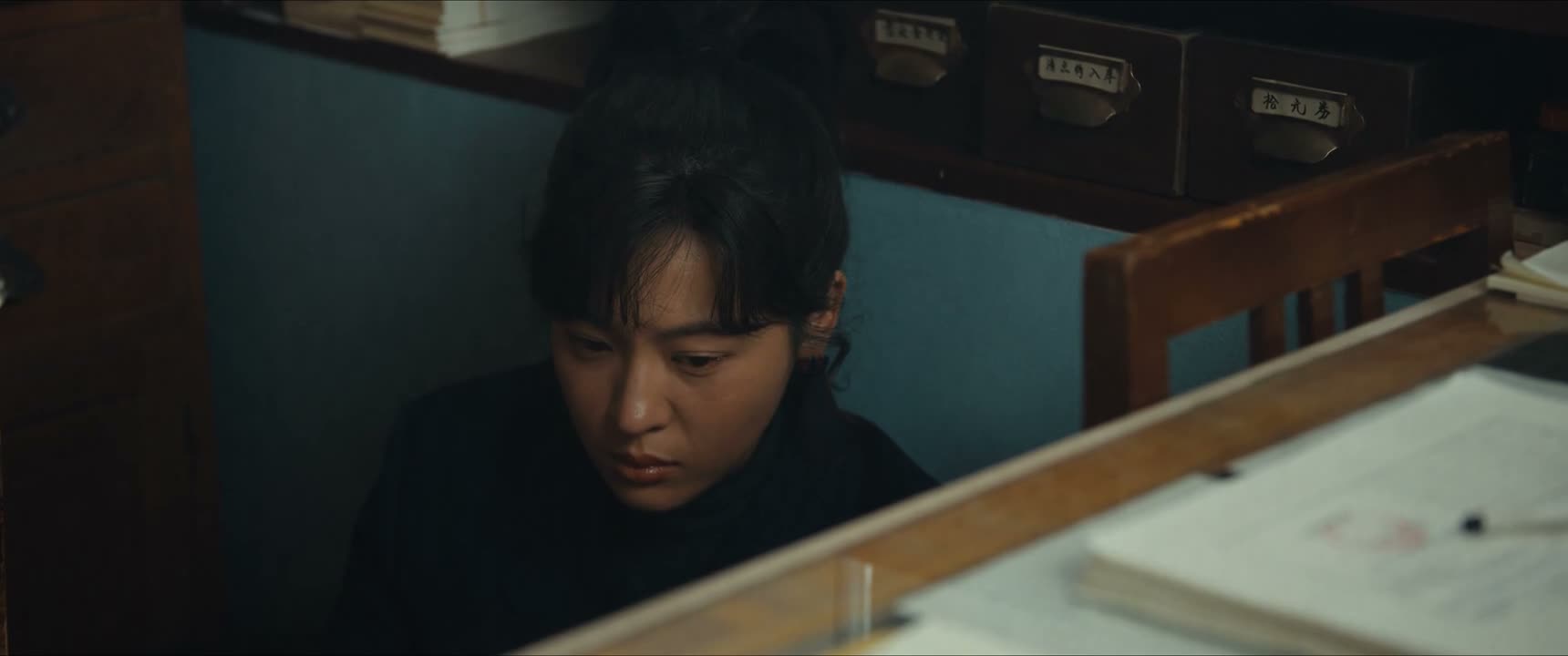
“Not sure how long,”

“Just three days total, I think.”

“So it should take ten to fifteen days”