MC
MandarinClips Cinema Corpus
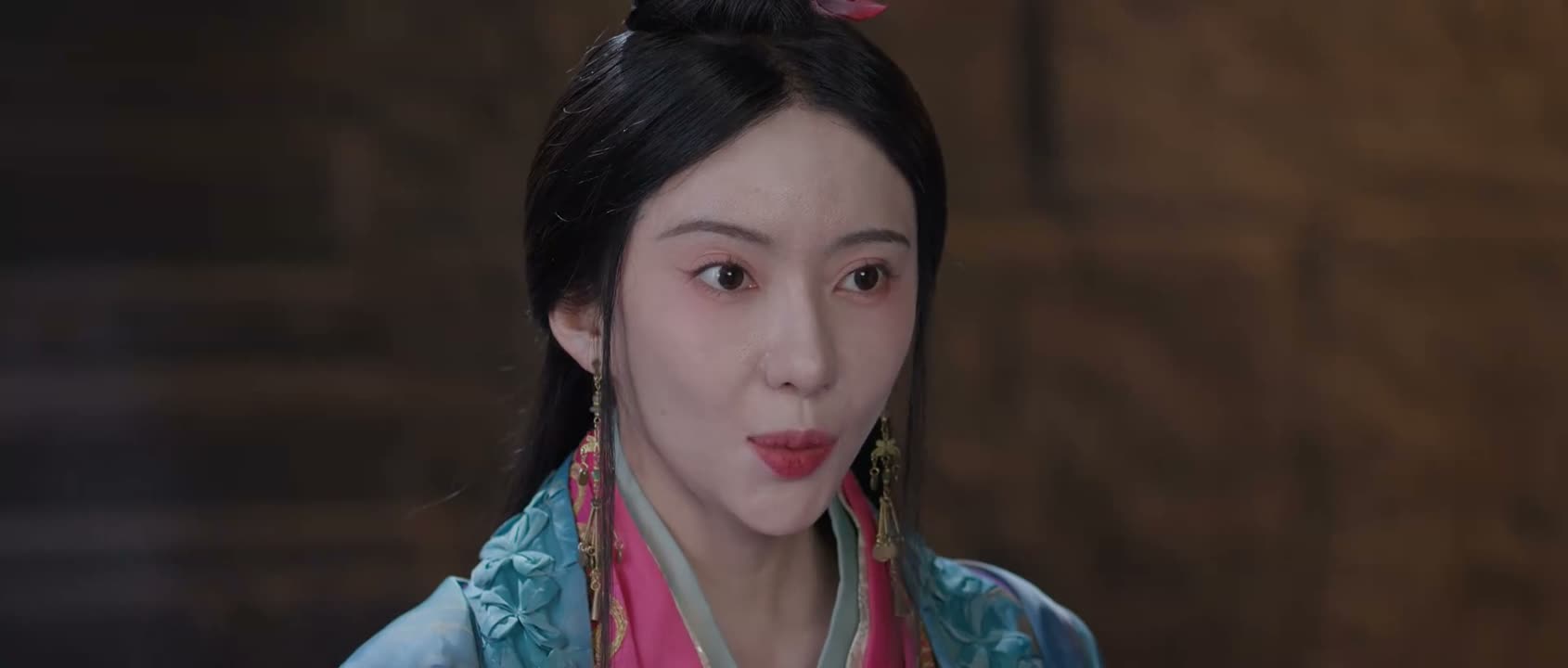
《Go Ahead》 S1·E20 (09:16) HSK 7
shuí qiú tā zhào gù le tā zì jǐ lè yì

谁求他照顾了 他自己乐意

“I didn't ask him to do that. He did it on his own.”

《Go Ahead》 S1·E20
TIMECODE: 09:16 · 1080P MASTER AUDIO

THE DIALOGUE REEL

1+1+1 SPOKEN CONTINUITY
[-1] PREVIOUS TURN bú shì nǐ gē zài zhào gù nǐ ma

不是你哥在照顾你吗

“your brother has been taking good care of you.”

shuí qiú tā zhào gù le tā zì jǐ lè yì CURRENT FOCUS

谁求 他 照顾 了 他 自己乐意

“I didn't ask him to do that. He did it on his own.”

[+1] FOLLOW-UP TURN wǒ zǒu le yǐ hòu nǐ bié zhè yàng qì mā le dǒng shì yì diǎn tīng dào méi

我走了以后 你别这样气妈了 懂事一点 听到没

“After I leave, don't make mom angry like this. Be a good girl, OK?”

Subtitles synced to millisecond timecode Browse Show Clips →
Scene: Family & Home
Function: DEFENSIVE REFUSAL
Tone: PETULANT
Emotion: FRUSTRATION
WHAT THEY REALLY MEAN (PRAGMATIC SUBTEXT)
“Don't make it sound like I owe him anything; he chose to do it.”
💡 Cultural Insight: Tsundere Sibling Dynamic (Zuiying Xinruan)

In Chinese families, younger siblings often use harsh, defensive words ('sharp tongue, soft heart') to avoid expressing vulnerability or overt gratitude.

INTENT TAGS: #defensiveness #denial #deflection #emotional_masking
🧩

LEARNING CHUNKS & PARTICLES

2 CHUNKS · 1 PARTICLES
谁求他 SPOKEN CHUNK

who begged him / nobody asked him

A rhetorical phrase used to defensively dismiss an obligation or favor from another person.

自己乐意 SPOKEN CHUNK

doing it out of one's own will / happy to do it himself

Used to deflect responsibility by claiming the other person chose their action purely on their own accord.

Modal Particle「了」 (le) CHANGE OF STATE

Signals completion and reinforces the rhetorical assertion that no begging took place.

🏮

VOCABULARY & EXPRESSIONS

2 EXPR · 1 GRAMMAR
CROSS-CINEMA CORPUS BOARD · PARALLEL SCENES

Parallel Spoken Cinema Scenes (语义近邻切片)

EXPLORE BY SEMANTIC SIMILARITY
《Go Ahead》 S1·E20 (09:16) · Authentic Cinema Dialogue Corpus