MC
MandarinClips Cinema Corpus
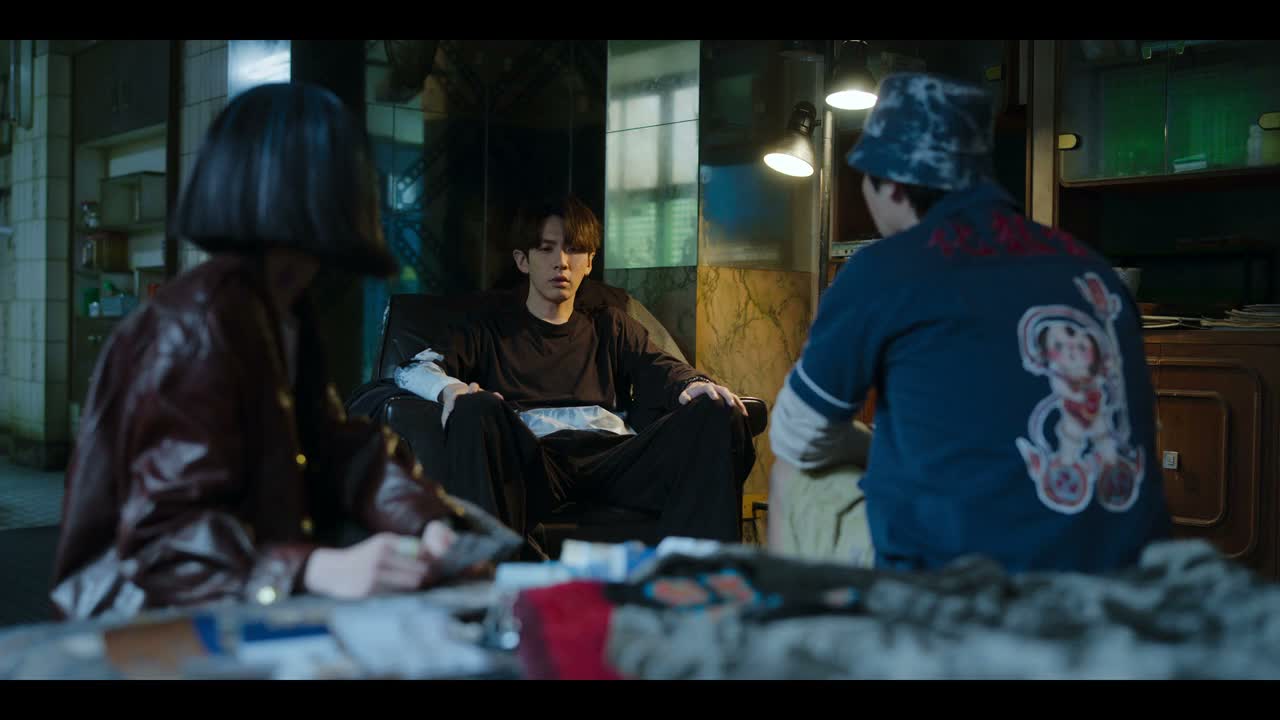
《Love Story in the 1970s》 S1·E24 (05:33) HSK 4
dào shí hòu shū qiú le zěn me bàn shū jiù shū le bei

到时候输球了 怎么办 输就输了呗

“What happens when we lose? Then we lose.”

《Love Story in the 1970s》 S1·E24
TIMECODE: 05:33 · 1080P MASTER AUDIO

THE DIALOGUE REEL

1+1+1 SPOKEN CONTINUITY
[-1] PREVIOUS TURN wǒ men de zhàn shù hé pèi hé kěn dìng bù rú bié de qiú duì

我们的战术和配合肯定不如 别的球队

“won't measure up to other teams.”

dào shí hòu shū qiú le zěn me bàn shū jiù shū le bei CURRENT FOCUS

到时候 输球了 怎么办 输就输了 呗

“What happens when we lose? Then we lose.”

[+1] FOLLOW-UP TURN wǒ men shì mián fǎng zhī chǎng bú shì tǐ gōng dà duì

我们是棉纺织厂 不是体工大队

“We're a textile factory, not a sports academy.”

Subtitles synced to millisecond timecode Browse Show Clips →
Scene: Workplace
Function: DISMISSING CONCERNS
Tone: NONCHALANT
Emotion: INDIFFERENCE
WHAT THEY REALLY MEAN (PRAGMATIC SUBTEXT)
“It does not matter if we lose; we are factory workers, not professional athletes.”
💡 Cultural Insight: Danwei Recreational Culture

In traditional Chinese state-owned work units, amateur sports competitions boosted morale, but winning was rarely tied to one's core professional duties.

INTENT TAGS: #dismissal #resignation #stress_relief #acceptance
🧩

LEARNING CHUNKS & PARTICLES

2 CHUNKS · 1 PARTICLES
到时候 SPOKEN CHUNK

when the time comes; at that time

A very common conversational opener to defer worrying about a future event until it actually happens.

输就输了 SPOKEN CHUNK

if we lose, so be it

Uses the 'V就V(了)' pattern to express acceptance of an undesirable but inconsequential outcome.

Modal Particle「呗」 (bei) CHANGE OF STATE

Conveys an attitude of casual resignation, indicating the outcome is obvious and not worth stressing over.
🏮

VOCABULARY & EXPRESSIONS

3 EXPR · 0 GRAMMAR
CROSS-CINEMA CORPUS BOARD · PARALLEL SCENES

Parallel Spoken Cinema Scenes (语义近邻切片)

EXPLORE BY SEMANTIC SIMILARITY
《Love Story in the 1970s》 S1·E24 (05:33) · Authentic Cinema Dialogue Corpus