《The Inner Eye》 S1·E26 (06:07)
HSK 1
liú gěi wǒ de shì yí gè làn tān zi
留给我的是一个烂摊子
“don't leave me a mess.”
《The Inner Eye》
S1·E26
TIMECODE: 06:07
·
1080P MASTER AUDIO
THE DIALOGUE REEL
[-1] PREVIOUS TURN
bié děng wǒ huí lái jiē bān de shí hòu
别等我回来接班的时候
“When I come back,”
liú gěi wǒ de shì yí gè làn tān zi
CURRENT FOCUS
留给我的 是 一个 烂摊子
“don't leave me a mess.”
[+1] FOLLOW-UP TURN
wǒ huì shēng qì de
我会生气的
“I'll be mad.”
Subtitles synced to millisecond timecode
Browse Show Clips →
Scene:
Workplace
Function:
ISSUING A WARNING
Tone:
ASSERTIVE
Emotion:
ANNOYANCE
WHAT THEY REALLY MEAN (PRAGMATIC SUBTEXT)
“You better keep things running smoothly, or you will answer to me.”
💡 Cultural Insight: Cleaning Up the Shambles (收拾烂摊子)
In Chinese organizational culture, inheriting a ruined situation without proper handoff is considered highly irresponsible and creates severe interpersonal friction.
INTENT TAGS:
#warning
#accountability
#demanding_standards
#prevention
🧩
1 CHUNKS · 0 PARTICLES
LEARNING CHUNKS & PARTICLES
烂摊子
SPOKEN CHUNK
an awful mess; a shambles
Commonly used with verbs like 留给 (leave behind) or 收拾 (clean up) to describe an unmanageable problem or disarray.
🏮
2 EXPR · 1 GRAMMAR
VOCABULARY & EXPRESSIONS
COLLOQUIAL EXPRESSIONS:
GRAMMAR BLUEPRINTS:
CROSS-CINEMA CORPUS BOARD · PARALLEL SCENES
EXPLORE BY SEMANTIC SIMILARITY
Parallel Spoken Cinema Scenes (语义近邻切片)
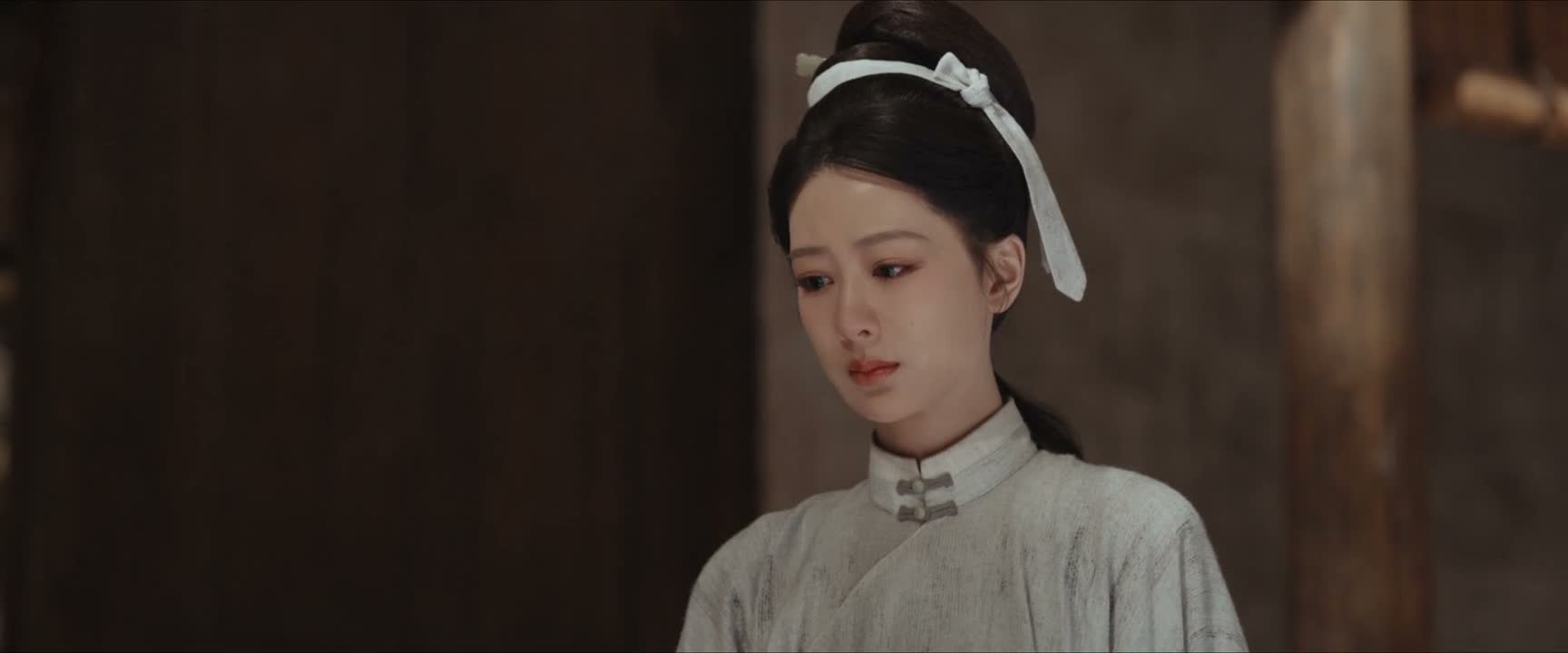
《The Inner Eye》 S1·E26 (06:07) · Authentic Cinema Dialogue Corpus