MC
MandarinClips Cinema Corpus
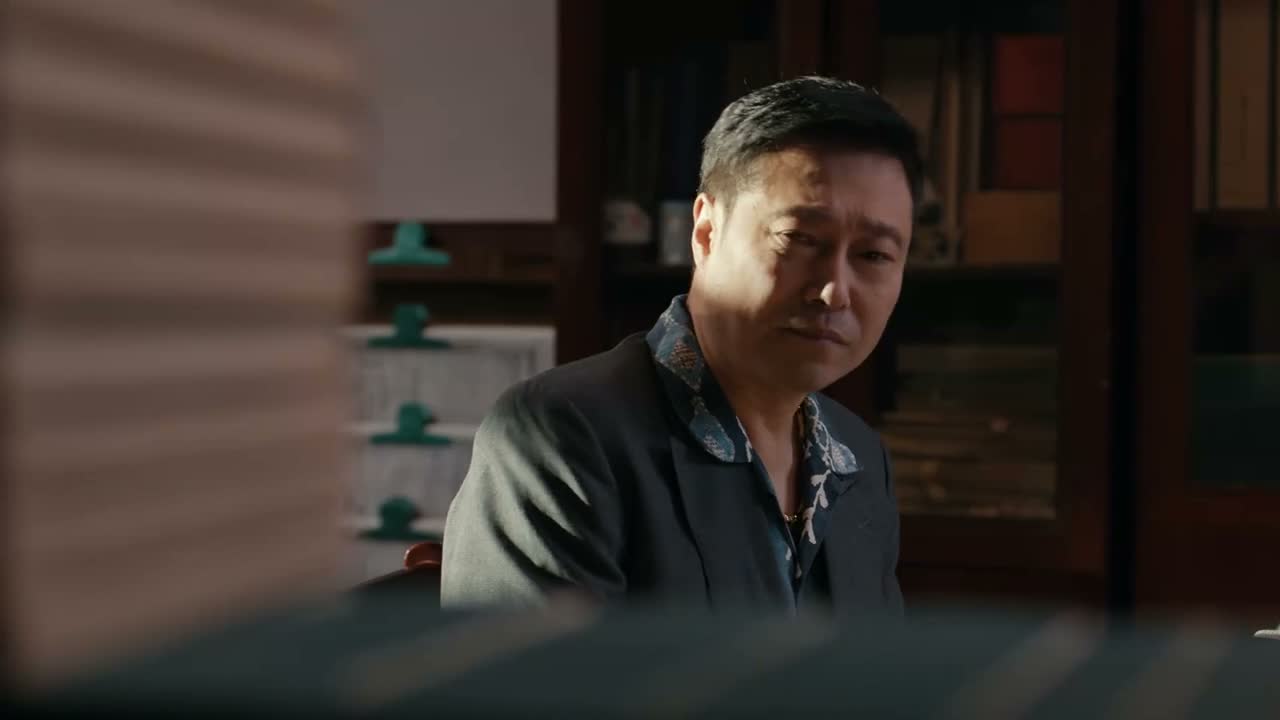
《The Heir》 S1·E4 (17:08) HSK 5
zhǐ shì xīn kǔ nǐ bái pǎo le yī tàng zhè wén shū

只是辛苦你白跑了一趟 这文书

“You ran here for nothing. This document”

《The Heir》 S1·E4
TIMECODE: 17:08 · 1080P MASTER AUDIO

THE DIALOGUE REEL

1+1+1 SPOKEN CONTINUITY
[-1] PREVIOUS TURN gǎn xiè nǐ a zhēn niáng kě xī ya lǎo tiān méi gěi zán zhè ge mìng

感谢你啊 祯娘 可惜呀 老天没给咱这个命

“Thank you, Zhen. Unfortunately, God didn't give us the chance.”

zhǐ shì xīn kǔ nǐ bái pǎo le yī tàng zhè wén shū CURRENT FOCUS

只是 辛苦你 白 跑了 一趟 这文书

“You ran here for nothing. This document”

[+1] FOLLOW-UP TURN méi yòng le

没用了

“is now useless.”

Subtitles synced to millisecond timecode Browse Show Clips →
Scene: Daily Life
Function: APOLOGIZING WITH GRATITUDE
Tone: APOLOGETIC
Emotion: GUILT
WHAT THEY REALLY MEAN (PRAGMATIC SUBTEXT)
“I hate that all your hard work went to waste over this useless paper.”
💡 Cultural Insight: Empathy for Others' Labor (Keqi & Xinku)

In Chinese etiquette, acknowledging another person's wasted physical effort ('xinku') is crucial to show respect and maintain social harmony when plans fall through.

INTENT TAGS: #apology #consolation #acknowledgment #regret
🧩

LEARNING CHUNKS & PARTICLES

2 CHUNKS · 1 PARTICLES
白跑了一趟 SPOKEN CHUNK

went on a wasted trip; made a journey in vain

Extremely frequent everyday expression when an errand yields no results.

辛苦你 SPOKEN CHUNK

troubled you; sorry to put you through hardship

A polite, empathetic formula to acknowledge someone else's effort on your behalf.

Modal Particle「了」 (le) CHANGE OF STATE

Marks the completion of the physical journey that unfortunately ended up being in vain.
🏮

VOCABULARY & EXPRESSIONS

2 EXPR · 0 GRAMMAR
CROSS-CINEMA CORPUS BOARD · PARALLEL SCENES

Parallel Spoken Cinema Scenes (语义近邻切片)

EXPLORE BY SEMANTIC SIMILARITY
《The Heir》 S1·E4 (17:08) · Authentic Cinema Dialogue Corpus